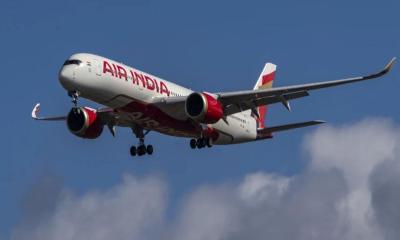
Pakistan extends airspace ban on India for all civil and military aircraft for an additional month, the Pakistan Airports Authority confirmed in a newly issued official notice. According to the updated administrative directive, the strict airspace restrictions will now remain fully effective until 11:59 PM on August 23, 2026. The previous mandate had slated the closure to last until July 24 before the current extension was authorized. Local administrative officials noted that the stringent defense measures were extended due to ongoing border tensions between the two neighboring countries.
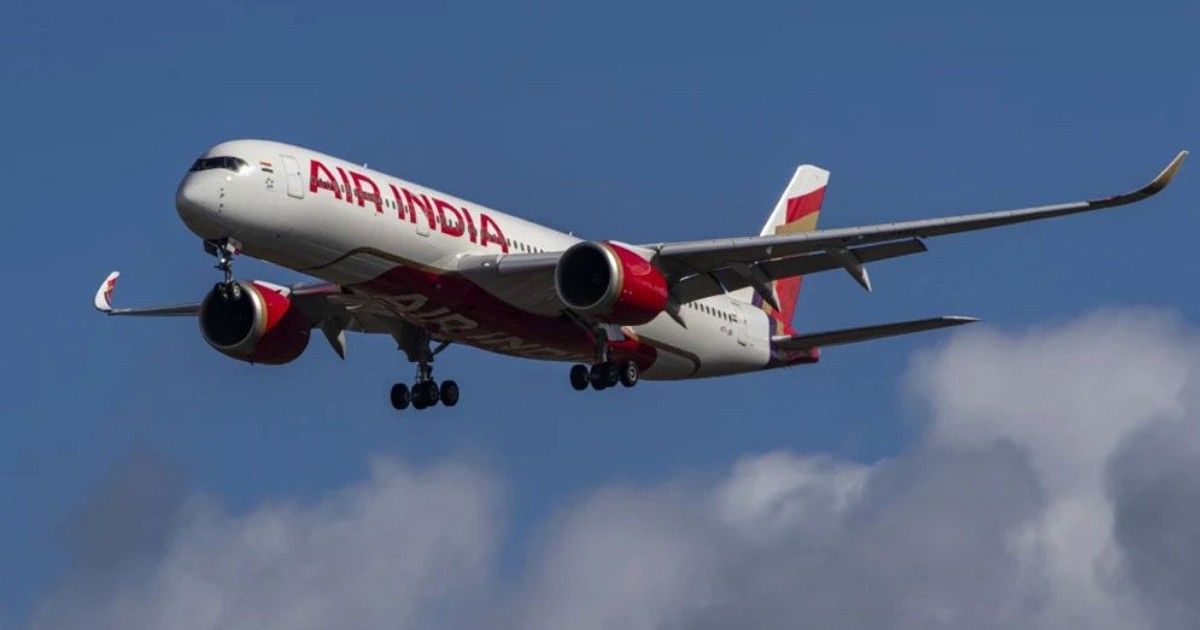
The emergency notification specifies that the flight prohibition applies universally to all aircraft registered in India, as well as those operated or leased by Indian commercial airlines and private operators. Beyond standard commercial and civilian aviation, the directive completely restricts all categories of Indian military aircraft from entering Pakistani sovereign airspace. The Pakistan Airports Authority confirmed that the sweeping order encompasses both the Karachi and Lahore Flight Information Regions. As a direct consequence of these international aviation restrictions, Indian airline operators must continue to utilize longer alternative flight paths, significantly increasing operational expenses and fuel consumption.
The mutual airspace closure between the two South Asian nuclear powers originally commenced toward the end of April last year following severe political friction. Tensions between New Delhi and Islamabad escalated to critical levels after an unexpected insurgent attack occurred in Pahalgam, a town located within Indian-administered Kashmir. The top military command in Pakistan initiated the total airspace closure as a strategic countermeasure against subsequent defensive maneuvers executed by Indian forces. Historically, Islamabad deployed identical economic and defense blockades during the high-stakes Kargil conflict in 1999 and the severe Pulwama crisis in 2019.
Following the initial stages of the recent cross-border confrontation, military spokespersons in Islamabad claimed that their defense networks successfully downed multiple Indian fighter jets and unmanned surveillance drones. Although a formal ceasefire agreement was subsequently brokered through high-level diplomatic mediation by the United States, the comprehensive airspace restrictions have remained firmly in place. What remains unclear is the exact long-term economic damage this prolonged aviation blockade will inflict upon bilateral trade relationships and regional connectivity frameworks across the subcontinent. With military and diplomatic friction remaining exceptionally high, international political analysts see no immediate signs of a rapid resolution to the ongoing territorial impasse.
Global aviation bodies have expressed growing concern over the prolonged disruptions, noting that commercial routes connecting Europe and Asia are facing increased structural strain due to the restricted flight corridors. The Indian Ministry of Civil Aviation has raised official complaints regarding the commercial impact, but Pakistani authorities continue to prioritize national sovereignty and territorial security above commercial considerations. The complete lack of proactive engagement from regional security organizations has left local populations facing extended diplomatic isolation and inflated travel costs. Unless leadership from both capitals initiates comprehensive peace talks to resolve the underlying territorial disputes, the dangerous aviation deadlock is expected to persist indefinitely.