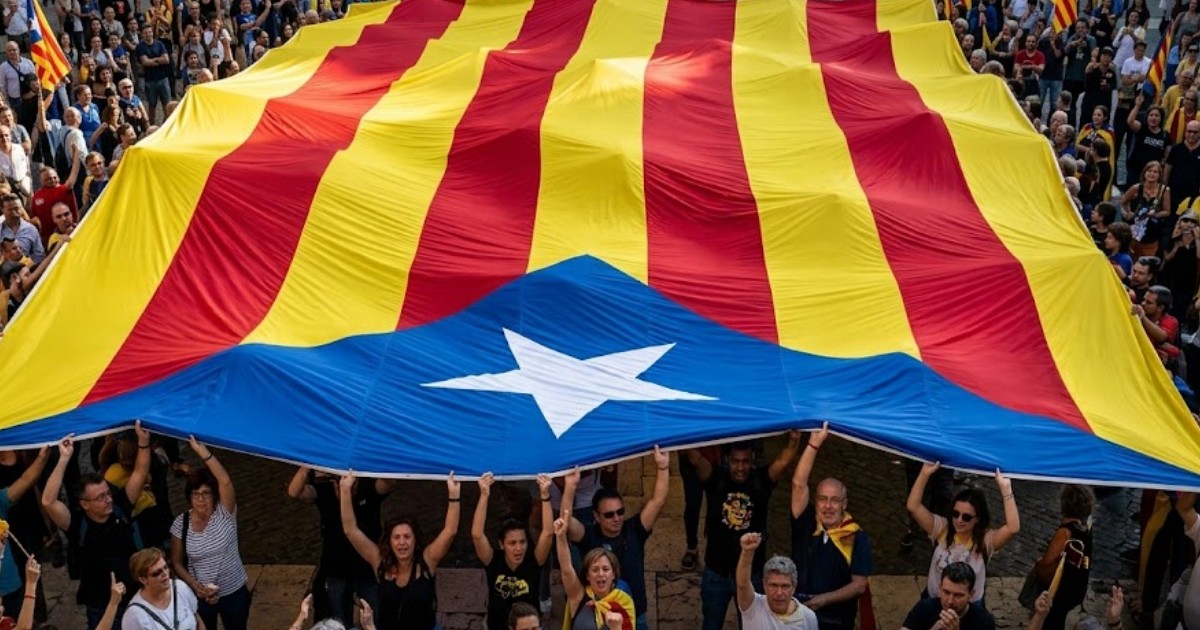
The European Union`s top court ruled in Luxembourg on Thursday that the controversial Spain amnesty law enacted for individuals involved in Catalonia`s separatist movement does not violate EU law, Reuters and Al Jazeera confirmed. The landmark decision by the Court of Justice provides a significant political boost to the Spanish government and its regional Catalan allies. In its formal ruling, the court declared that overarching European Union regulations do not preclude the domestic amnesty framework because the adoption and subsequent application of such measures fall strictly within the legal competence of individual member states. One of the presiding judges noted during the delivery of the verdict that the judiciary does not oppose a law designed to reduce institutional and political tensions while facilitating an essential process of national reconciliation.
The current legal challenge stemmed from the comprehensive law approved by the Spanish lower house in 2024, which sought to annul the criminal records of hundreds of public officials and grassroots activists. These individuals faced severe prosecution for their direct involvement in the Catalonian secessionist push that commenced back in 2011. Legal analysts suggest that the definitive validation by the highest European court effectively clears a path for the return of the movement`s prominent exiled leader, Carles Puigdemont, who has resided abroad to evade local arrest warrants. The implementation of the amnesty act aims to draw a definitive line under Spain`s most severe domestic political crisis in modern decades.
The conflict intensified significantly after Catalan pro-independence leaders, who secured a majority in the 2015 regional elections, organized a controversial independence referendum in 2017. Spain`s Constitutional Court immediately declared the referendum illegal, leading to widespread criminal charges against regional organizers. Prime Minister Pedro Sanchez of the Socialist Party originally proposed the sweeping amnesty agreement in exchange for critical parliamentary support from Catalan secessionist parties, enabling him to secure a consecutive term following inconclusive general elections in 2023. What remains unclear is how swiftly the domestic Spanish judiciary will move to lift existing arrest warrants against exiled independence leaders in light of this supreme European ruling.
While the court affirmed that the domestic procedural guideline requiring an amnesty determination within two months is lawful in principle, judges emphasized that local magistrates must await preliminary reference proceedings before concluding cases. The sweeping measure continues to face fierce resistance from conservative opposition groups within Madrid, who argue the law undermines the rule of law. From an Islamic perspective, initiatives aimed at political reconciliation and peace-making are deeply encouraged to preserve social stability (Surah Al-Hujurat, 49:10), though the domestic political friction surrounding this European decision is expected to persist for months. The final judgment marks a pivotal milestone for the regional autonomy debate within the broader European framework.