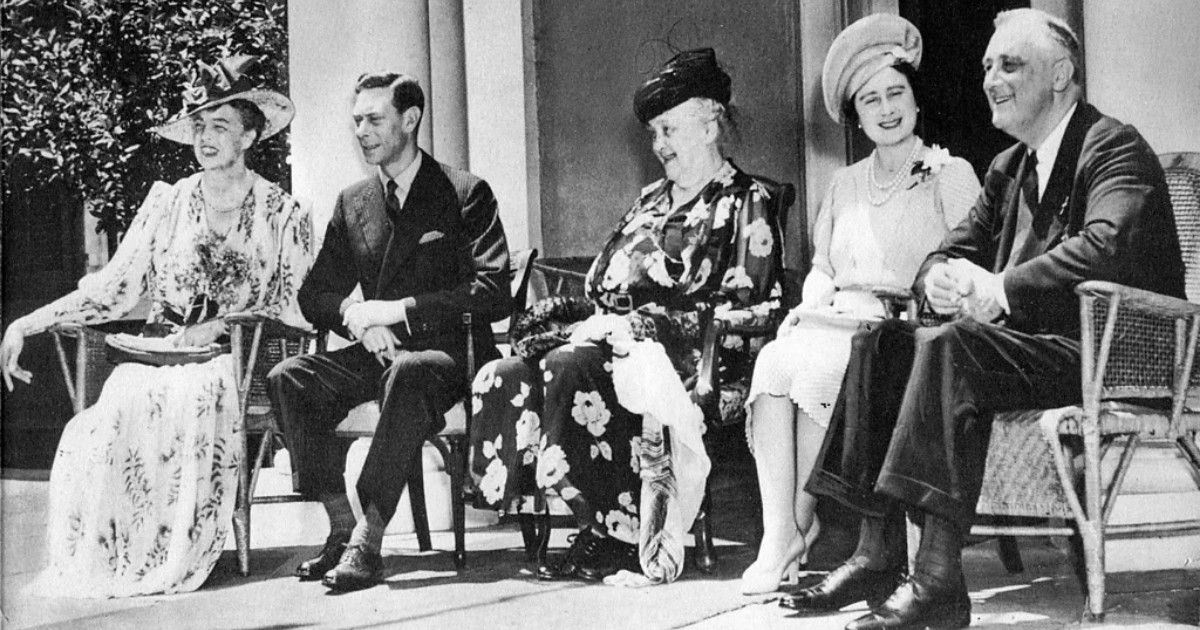
A new play titled Springwood has debuted at London`s Hampstead Theatre exploring the historic 1939 presidential picnic that forged the US-UK special relationship, BBC News reported. Playwright Richard Nelson centered the production on the weekend visit of King George VI and Queen Elizabeth to President Franklin D. Roosevelt`s country estate in Hyde Park, New York. This event marked the very first time a reigning British monarch set foot on American soil, occurring just months before the outbreak of World War II. The play underscores how informal diplomacy, involving hot dogs and casual conversations, shifted American public opinion away from strict isolationism toward supporting Britain against Nazi Germany.
In early 1939, Europe faced severe instability as the Nazi army invaded Czechoslovakia, completely shattering the Munich Agreement. President Roosevelt recognized that American military and economic aid would be vital if Britain were to survive an impending armed struggle. However, he faced a deeply divided American public, the majority of whom were isolationists determined to avoid entanglement in another European conflict. To humanize the British monarchy, Roosevelt devised a casual weekend gathering at his birthplace, Springwood, aiming to portray the royal couple as friendly leaders of a democratic ally rather than remote imperial figures.
The British monarchy itself was experiencing internal vulnerability following the abdication crisis of 1936, which thrust the unprepared King George VI onto the throne. The forty-three-year-old monarch suffered from a severe stutter and lacked confidence compared to his charismatic older brother, the Duke of Windsor. Historians cited by The Guardian noted that the king felt deeply insecure about how the American public would receive him. During the visit, the common ground found between the two leaders over cocktails and private conversations laid the foundation for wartime cooperation. Roosevelt shared his own experiences living with polio, establishing an immediate emotional bond that eased the king`s anxieties.
What remains unclear is whether modern diplomatic maneuvers can replicate the profound impact of such personal, informal relationships between world leaders. The high-stakes weekend included an outdoor picnic where the royal guests were famously served hot dogs, a classic American staple that came to symbolize democratic equality. The king took extensive notes on Roosevelt`s strategic ideas regarding how the United States could assist Britain without violating its domestic neutrality laws. These shared insights guided British foreign policy throughout the subsequent war years, proving that informal gatherings could reshape global alliances.
First Lady Eleanor Roosevelt and the president`s mother, Sara Roosevelt, also played contrasting roles in managing the domestic environment during the historic visit. While the first lady appreciated the gracious nature of Queen Elizabeth, she observed that the British queen remained somewhat self-consciously regal. The theatrical production highlights these complex domestic dynamics alongside the broader geopolitical calculations that ultimately altered the course of modern history. Today, as the international community faces renewed conflict in Europe, the play serves as a reminder of how the US-UK special relationship was forged through empathy and unconventional diplomacy.