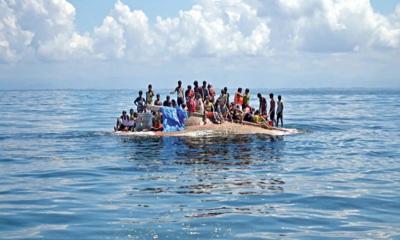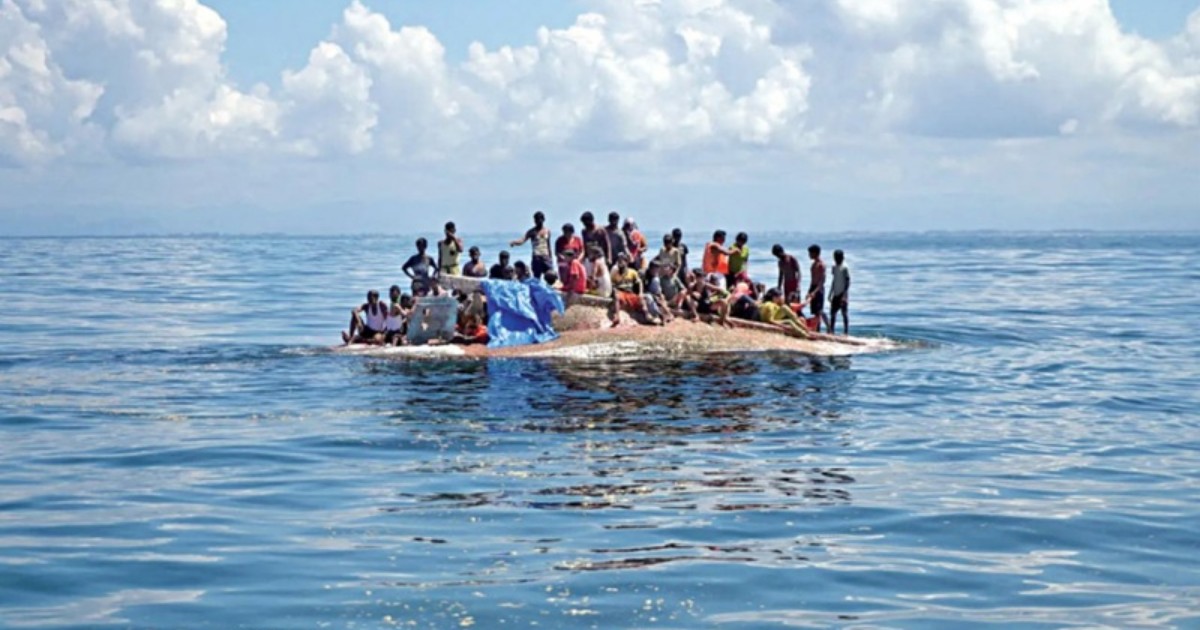
More than 500 Rohingya refugees are feared dead after two vessels capsized off the coast of Myanmar in recent days, United Nations agencies confirmed on Thursday, according to Reuters and Al Jazeera. The joint statement released by the International Organization for Migration (IOM) and the UN refugee agency (UNHCR) highlighted the catastrophic scale of the incident. Preliminary reports indicate that both overcrowded boats departed from Myanmar`s conflict-torn Rakhine State in late June. The passengers were predominantly Rohingya Muslims fleeing severe humanitarian deprivation and intensifying territorial clashes within the region.
The specific details provided by the humanitarian organizations reveal that the two vessels encountered disaster at different points along their perilous routes. The first boat, carrying an estimated 250 passengers, lost all communication links shortly after leaving the shores of Rakhine State. The second vessel, loaded with approximately 280 people, reportedly foundered and sank off the Ayeyarwady coast of Myanmar on July 8. Although official confirmation regarding the exact casualty figures from the domestic authorities remains pending, both global agencies expressed grave concern over the devastating loss of human life.
Prior to these recent maritime disasters, international monitors had already recorded a substantial number of casualties in the region`s waters. More than 300 individuals were reported killed or missing in the Andaman Sea and the Bay of Bengal earlier this year alone. This expanding tally includes both desperate Rohingya refugees escaping squalid encampments and Bangladeshi nationals seeking employment opportunities in Southeast Asia. Human trafficking networks routinely exploit the extreme desperation of these vulnerable communities by cramming families into unseaworthy wooden trawlers.
Wartime conditions and mounting instability have increasingly forced refugees to attempt these highly dangerous crossings even during unfavorable seasons. The Rohingya typically avoid launching maritime journeys at this time of year due to the frequent monsoon storms and volatile oceanic environments. The UNHCR and IOM noted in their assessment that recent torrential rainfall and severe regional flooding significantly magnified the structural dangers of the voyages. The severe weather patterns combined with overcrowded vessel conditions left the passengers with virtually no chance of survival once the boats capsized.
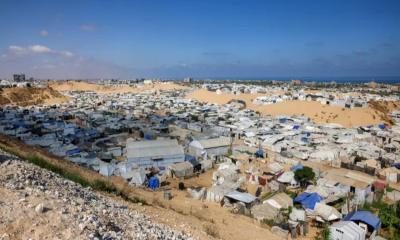
What remains unclear is whether regional maritime authorities or the Myanmar military junta have initiated any coordinated search and rescue operations for potential survivors. The ongoing domestic conflict and severe administrative restrictions imposed on international observers in Rakhine State hamper independent verification efforts. Relatives residing in the refugee camps of Cox`s Bazar are left waiting in profound agony for any verifiable news regarding their missing family members. The complete absence of open communication channels further exacerbates the humanitarian tragedy unfolding at sea.
International human rights organizations have renewed their calls for coastal states in Southeast Asia to establish proactive maritime search frameworks. Experts emphasize that unless regional governments address the root causes of persecution in Myanmar and provide legal migration pathways, these deadly crossings will continue. Strengthening border security against human trafficking syndicates must be balanced with robust life-saving measures for those stranded at sea. The international community faces mounting pressure to deliver sustainable political solutions for the displaced Rohingya population.