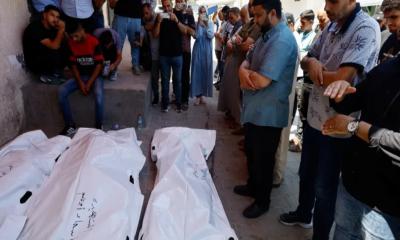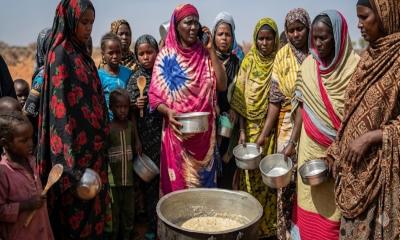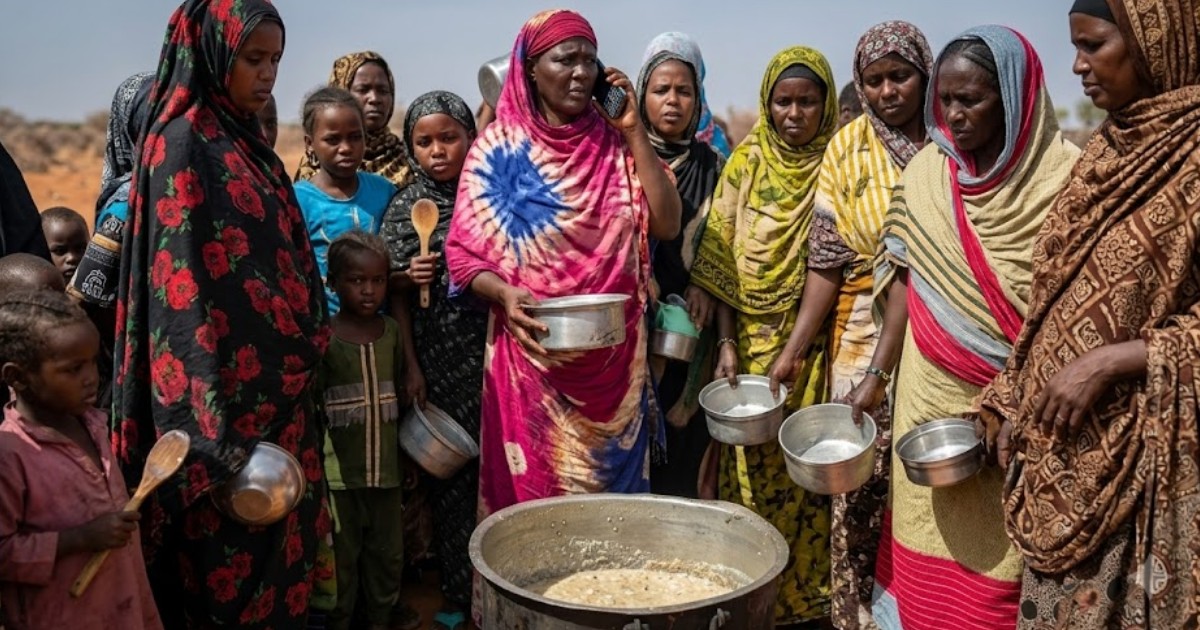
A senior Sudanese minister confirmed in an interview in Khartoum on Thursday that more than three years of a devastating conflict have profoundly reshaped the country`s demographic makeup, Al Jazeera reported. Sudan has been embroiled in a brutal civil war between its regular army and the Rapid Support Forces, or RSF, paramilitary since April 2023. According to United Nations estimates, the conflict has killed approximately 200,000 people and displaced more than 11 million individuals, generating what international monitors classify as the world`s largest humanitarian crisis. This widespread devastation has severely disrupted the economic and social stability of the North African nation.
Minister of Human Resources and Social Development Mutasim Ahmed Saleh explained to Al Jazeera Arabic that his ministry is currently collaborating with multiple state partners to strengthen population policies. These updated frameworks are being strategically linked to long-term social protection programs and refugee repatriation initiatives. Prior to the outbreak of the war, official projections indicated that Sudan`s population would exceed 64 million citizens by 2035. In 2020, the country`s population stood at about 44.4 million, maintaining an annual growth rate of 2.39 percent, which was recognized as one of the highest growth percentages globally. However, intense fighting has emptied major regions within South Darfur, North Darfur, and Central Darfur states, forcing tens of thousands to seek asylum in neighboring Egypt, South Sudan, and Chad.
What remains unclear is how the cash-strapped Sudanese transition government will secure the necessary funding to implement these extensive social protection and voluntary return programs without substantial foreign aid. Minister Saleh highlighted that the most significant demographic alterations include a general spike in extreme poverty levels, a large segment of the population losing their primary sources of income, and the structural deterioration of essential healthcare and education services. Additionally, the conflict has caused a drastic decline in the domestic labor market and crippled the country`s human capital. Marking World Population Day on July 11, the minister reiterated that investing in citizens remains the fundamental cornerstone of national recovery and sustainable development.
The crisis is further complicated by Sudan`s unique demographic structure, which features an exceptionally large youth population. Data from the last official census conducted in 2008 indicated that approximately 70 percent of the Sudanese population is under the age of 30. While this youthful population could potentially yield a significant demographic dividend to drive economic progress, young people have faced severe systemic challenges. Even before the escalation of the conflict, limited access to higher education, scarce employment opportunities, and widespread poverty severely impacted the youth, who have now become one of the most marginalized groups in the country.
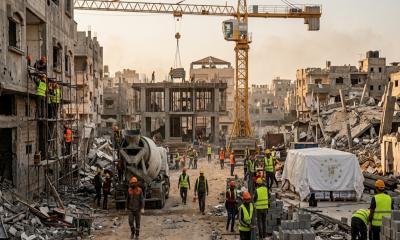
Khalid Saad, the director of the Sudanese Center for Development Communication, told Al Jazeera that the country`s demographic challenges did not originate solely with the current war. Despite possessing a vast territory and abundant natural resources, Sudan has suffered for decades from a distinct imbalance in its nationwide population distribution. The civil war has severely exacerbated this historical imbalance, redrawing the internal map through forced displacement, emptying agricultural hubs, and overburdening urban centers far beyond their structural capacity. The Holy Quran guides believers to maintain resilience and unity during times of intense systemic trials, promising divine comfort for those who persevere through hardship (Surah Al-Baqarah, 2:155). Rebuilding destroyed infrastructure remains the paramount challenge to ensure long-term regional stability and prevent renewed waves of civilian displacement.