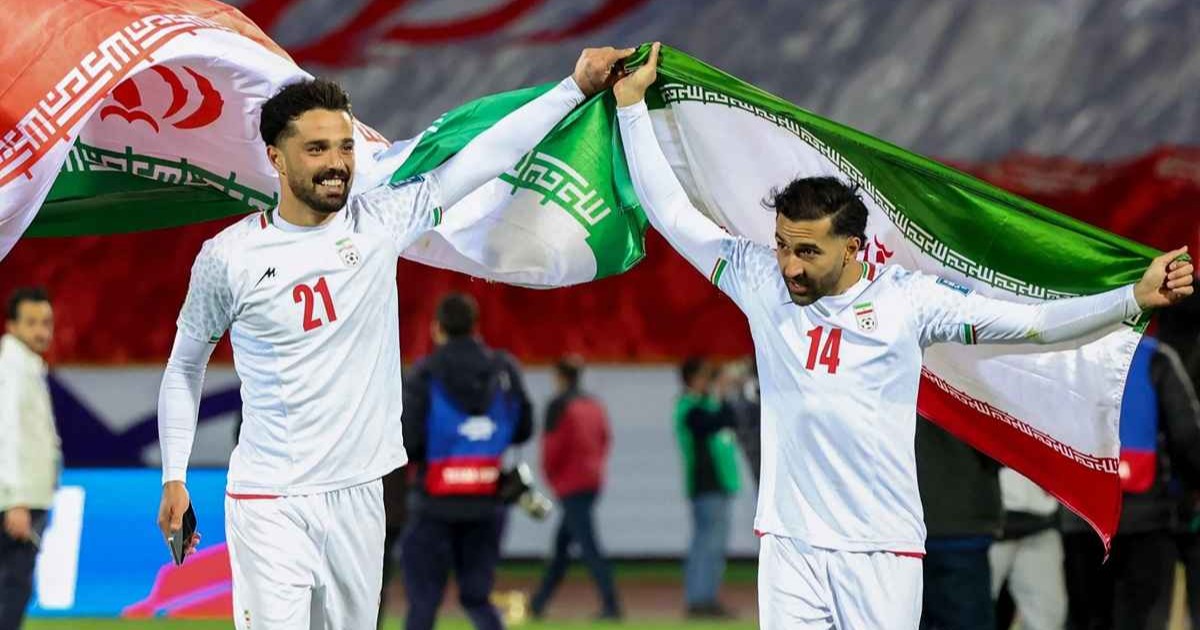
The Iran national football team is set to face an unprecedented and highly restrictive situation during the 2026 FIFA World Cup. Due to deep-seated geopolitical tensions and stringent US visa regulations, the players will be forced to operate under a strict "in-and-out" travel mandate. Iranian Ambassador Abolfazl Pasandideh confirmed that while the team will be permitted to enter the United States to play their group stage matches in Texas and Los Angeles, they must arrive on the morning of the match and depart the country the same night.
Ambassador Pasandideh expressed frustration while confirming these immigration mandates, which are an extension of the long-standing travel bans imposed on Iranian citizens. He stated that the visa restrictions are explicit, requiring the team to leave the United States immediately after their fixtures conclude. For professional athletes, the requirements of such a schedule—traveling in and out on match days—pose a significant physical and mental burden. The preparation and recovery time essential for competitive performance at the World Cup will be severely hindered by these logistical constraints.
The ongoing geopolitical conflict between the Middle East and the United States has already forced the Iran Football Federation to scrap their initial preparation plans. The team had originally intended to host their training camp in Tucson, Arizona, but those plans were abandoned due to security concerns. Consequently, the team has relocated its base camp to neighboring Mexico. Iran is scheduled to play three group stage matches on US soil, with two in Los Angeles and one in Seattle. The current plan dictates that the Iranian team will fly from Mexico for each match and return to their Mexican base immediately after the final whistle.
The diplomatic friction between Washington and Tehran intensified significantly following joint US-Israeli military operations inside Iran in late February. This incident triggered a volatile security environment across the Middle East. Iran responded by launching retaliatory missile and drone attacks targeting Israeli territory and areas housing US military bases throughout the region. Tensions have further escalated around the Strait of Hormuz, where Iran has disrupted commercial shipping lanes as a strategic maneuver to exert pressure on the United States. In this heightened state of hostility, the logistics surrounding the Iranian team’s travel for the World Cup highlight the broader diplomatic rupture that continues to impact even the most global of sporting events.