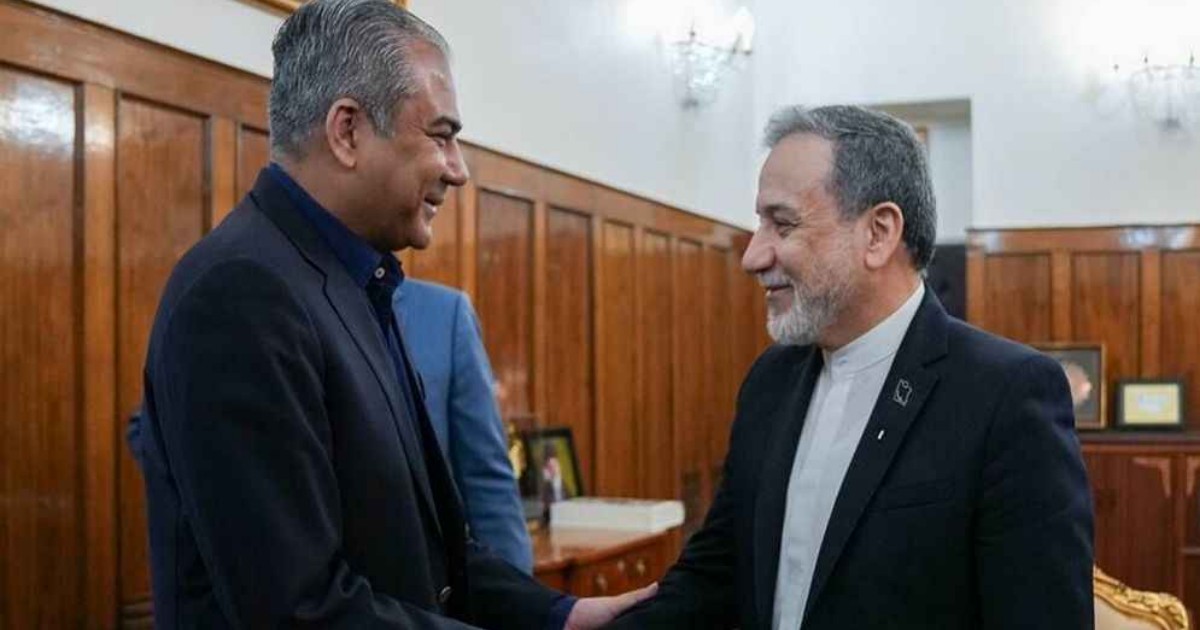
Pakistan’s Interior Minister Mohsin Naqvi arrived in Tehran on Saturday, embarking on a diplomatic mission to mediate between Iran and the United States. The visit marks another chapter in Pakistan’s sustained efforts to resolve the ongoing geopolitical deadlock that has gripped the region since late February. According to reports from the Turkish state news agency Anadolu and Iranian media outlet Tasnim, Naqvi is scheduled to hold high-level meetings with key Iranian officials, including Foreign Minister Abbas Araghchi, to discuss a potential path toward de-escalation.
The primary objective of this mission is to present a set of "new proposals" designed to address the stalemate that has hampered previous diplomatic efforts. Since the eruption of hostilities on February 28, Islamabad has positioned itself as a critical intermediary. While Pakistan successfully facilitated an informal ceasefire on April 8, the agreement proved fragile due to recurring disputes over implementation and shifting regional dynamics. Naqvi’s current visit aims to build upon that foundation, with the hope of establishing a more robust temporary understanding between Washington and Tehran.
The stakes of these negotiations are exceptionally high. The conflict between Iran and the United States has led to significant instability across the Middle East, characterized by retaliatory strikes on military installations and mutual accusations of sovereignty violations. Pakistan, maintaining strong strategic ties with the United States while preserving a long-standing partnership with Iran, is attempting to balance a delicate diplomatic act. Islamabad is acutely aware that an unchecked escalation could lead to a catastrophic regional war, a scenario it is keen to prevent through direct engagement with Iranian leadership.
Diplomatic analysts suggest that the proposals Naqvi is presenting are aimed at resolving the most immediate grievances of both parties. These include addressing concerns regarding military presence and regional security commitments. For Iran, the issue of international sanctions remains a central concern, while for the United States, the focus remains on the regional activities of Iranian-linked entities. Whether these new proposals can break the current impasse depends largely on the willingness of both Washington and Tehran to provide concessions that were previously considered non-negotiable.
The international community is watching these developments closely. Pakistan’s role as a mediator is significant, given the influence it holds within the region. However, the complexity of the Iran-US rivalry means that progress is often slow and prone to sudden reversals. As Mohsin Naqvi navigates these high-stakes discussions in Tehran, the hope among regional observers is that this effort can provide the necessary opening for a more sustained dialogue, preventing a further descent into open conflict.