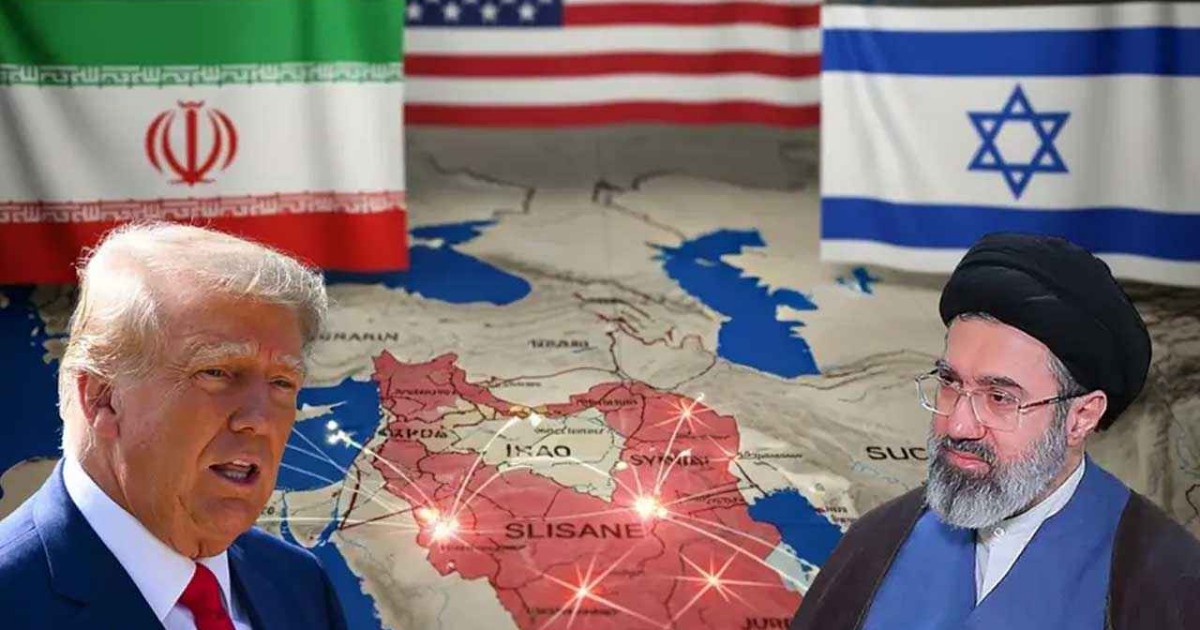
The United States is reportedly planning to distribute a significant portion of frozen Iranian assets among its allies in West Asia as compensation for alleged damages caused by recent Iranian attacks. This potential move, first reported by Reuters, has triggered renewed diplomatic friction and raised fears of a new escalation in regional conflict. According to the report, US Treasury Secretary Scott Bessent has requested a detailed assessment of the damages sustained by Gulf nations during recent escalations. Washington appears to be exploring this allocation of frozen funds as a mechanism to compensate those affected by Iranian actions.
In a recent interview with CNN, Mohsen Rezaei, a senior military advisor to Iranian Supreme Leader Mojtaba Khamenei, claimed that the United States is currently holding approximately $24 billion in frozen Iranian assets. He asserted that any prospect of a diplomatic agreement between the two nations is contingent upon the return of these funds, placing the onus of resolving the current impasse on Washington. While the White House has yet to formally acknowledge a specific plan to redistribute these assets, the administration has dispatched a specialized assessment team to West Asia. This team is tasked with verifying damages in various countries and providing recommendations on compensation requirements.
Despite a ceasefire currently in place, the security situation in the Middle East remains volatile. Reports suggest that the US administration is considering leveraging not only frozen assets but potentially other financial sources to support regional allies. Since the joint US-Israeli military operations on February 28, Iran has launched multiple retaliatory strikes targeting American interests and military installations across the region. Various sources indicate that incidents have occurred in Saudi Arabia, Qatar, the UAE, and Oman, in addition to reported attacks in Kuwait and Bahrain.
Analysts warn that if the United States proceeds with the distribution of frozen Iranian assets, the ongoing diplomatic efforts could face a severe setback. Tehran is expected to view such an action as an unacceptable escalation, potentially hardening their stance in future negotiations. Tensions have simultaneously spiked around the Strait of Hormuz, with reports of US strikes on Iranian radar installations near Goruk and Qeshm islands, and claims of Iranian drones being shot down. In an effort to mediate, Pakistani Interior Minister Mohsin Naqvi has traveled to Tehran to deliver special messages. The effectiveness of these diplomatic channels remains the primary focus of the international community as they monitor the unfolding crisis.