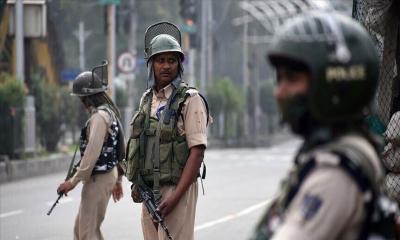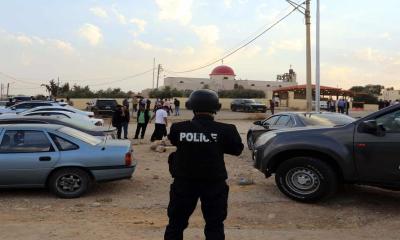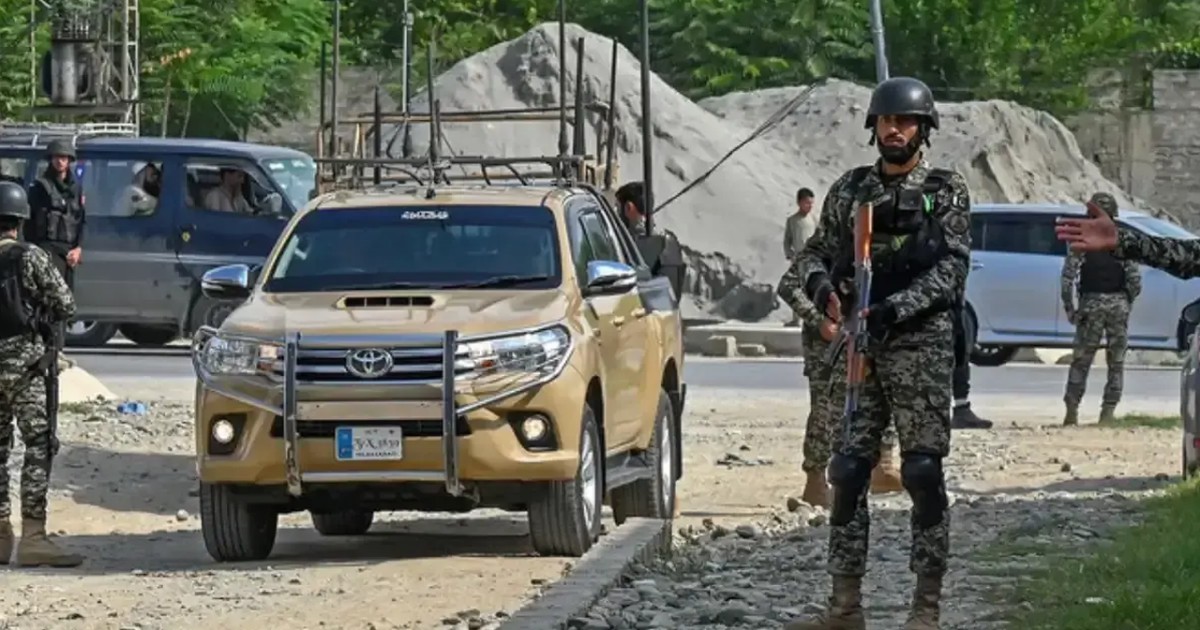
The Pakistan military confirmed that at least 17 India-backed terrorists were killed during a series of synchronized, intelligence-based operations across the volatile Balochistan province. The Inter-Services Public Relations (ISPR), the military`s official media wing, released a formal statement on Tuesday confirming the tactical developments. The sweeping security crackdown was initiated following a devastating bomb blast targeted near a railway track in Quetta late last month.Security forces launched aggressive raids targeting multiple insurgent strongholds simultaneously.
According to the official ISPR communique, the high-stakes security operations were executed across the Mastung, Nushki, Zehri, Khuzdar, and Kech districts of Balochistan. Following intense and prolonged gun battles, tactical units neutralized 17 active members of an insurgent faction designated by the military as "Fitna al-Hindustan." The military command noted that the successful operations have inflicted a severe blow to the operational infrastructure of the active insurgent network in those sectors. Specialized teams also recovered a substantial cache of automatic weapons, live ammunition, heavy military-grade explosives, and fully assembled Improvised Explosive Devices (IEDs) from the neutralized camps.
Defense officials maintained that the deceased insurgents were directly implicated in executing multiple high-profile sabotage activities and targeted attacks within the region. The operational blueprints for these counter-terrorism raids were formalized immediately after the May 24 railway track explosion near Chaman Phatak in Quetta. The provincial government reported that the Chaman Phatak blast resulted in the deaths of at least 14 individuals, including three security personnel from the Frontier Corps, while leaving several others wounded. Local administrative sources noted that the casualties included multiple women and children who were transit passengers. Notably, both the Khyber Pakhtunkhwa and Balochistan provinces have experienced a significant surge in cross-border terrorism since the Taliban reclaimed political authority in neighboring Afghanistan in 2021.