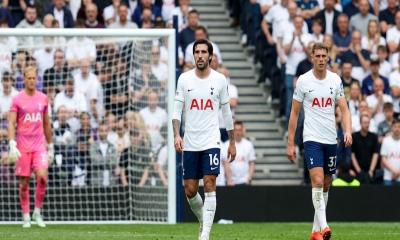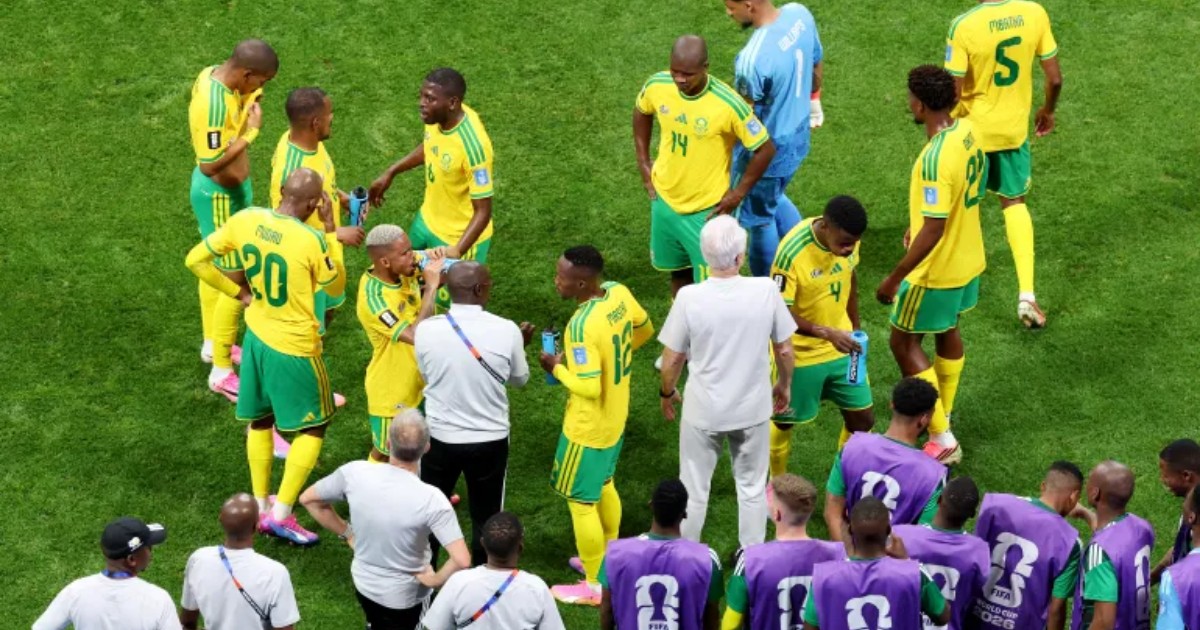
The global governing body for football, FIFA, faces severe criticism from players, coaches, and fans over its decision to introduce mandatory three-minute hydration breaks in all fixtures across North American tournament venues, Reuters and Al Jazeera confirmed on Saturday. Unveiled last December under the pretext of prioritizing player welfare, the non-negotiable rule requires referees to pause matches once in each half regardless of actual stadium temperatures. However, just one week into the six-week-long tournament, the amendment has ignited a fierce global debate regarding the commercialization of the sport and the disruption of live match momentum.
Netherlands defender Virgil van Dijk led the player opposition against the compulsory breaks, suggesting that soccer authorities should evaluate weather conditions for each game individually rather than enforcing a blanket rule. Belgium midfielder Youri Tielemans echoed this sentiment, noting that while cooling periods are essential in extremely hot conditions, they are redundant in cooler cities. Despite the growing dissatisfaction from prominent athletes, FIFA remains firm on its stance, asserting that uniform match conditions must be maintained for all participating teams throughout the competition.
Providing an independent perspective, senior meteorologist Everton Fox told Al Jazeera that while open-air venues in New York, California, Miami, and Mexico require heat mitigation, enclosed air-conditioned arenas do not. Venues such as Dallas, Houston, Atlanta, and Vancouver maintain controlled internal climates, meaning forced pauses lack genuine meteorological justification. Analysts suggest the rule operates primarily as a lucrative commercial venture designed to generate massive advertising revenue for television broadcasters rather than protecting players on the pitch.
What remains unclear is whether public backlash will force FIFA to modify its stance during the later knockout stages, given the staggering financial numbers involved in television broadcasting rights. According to a report by BBC Sport, a standard 30-second advertisement slot on Fox Sports costs between $200,000 and $300,000, soaring to $750,000 during high-profile United States fixtures. In the American market alone, broadcasting ads during these newly created three-minute frames could accumulate more than $250 million over the course of the tournament.
Canadian right-back Alistair Johnston openly criticized the administrative decision, stating that the policy essentially transforms a sporting hydration break into a full-scale commercial intermission. His remarks came ahead of Canada`s indoor match against Qatar, which ended in a dominant six-nil victory for the host nation. Television viewers across the United States expressed deep frustration during the opening match between Mexico and South Africa when networks cut away to full-screen commercials, causing fans to miss vital segments of live second-half action. Similar corporate disruptions were reported during the Group H encounter between Uruguay and Saudi Arabia in Miami Gardens, highlighting a growing disconnect between organizers and the global viewing audience.