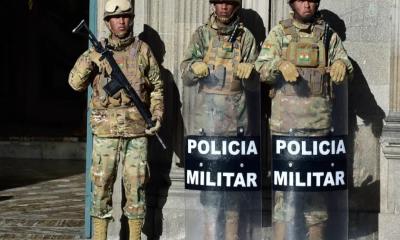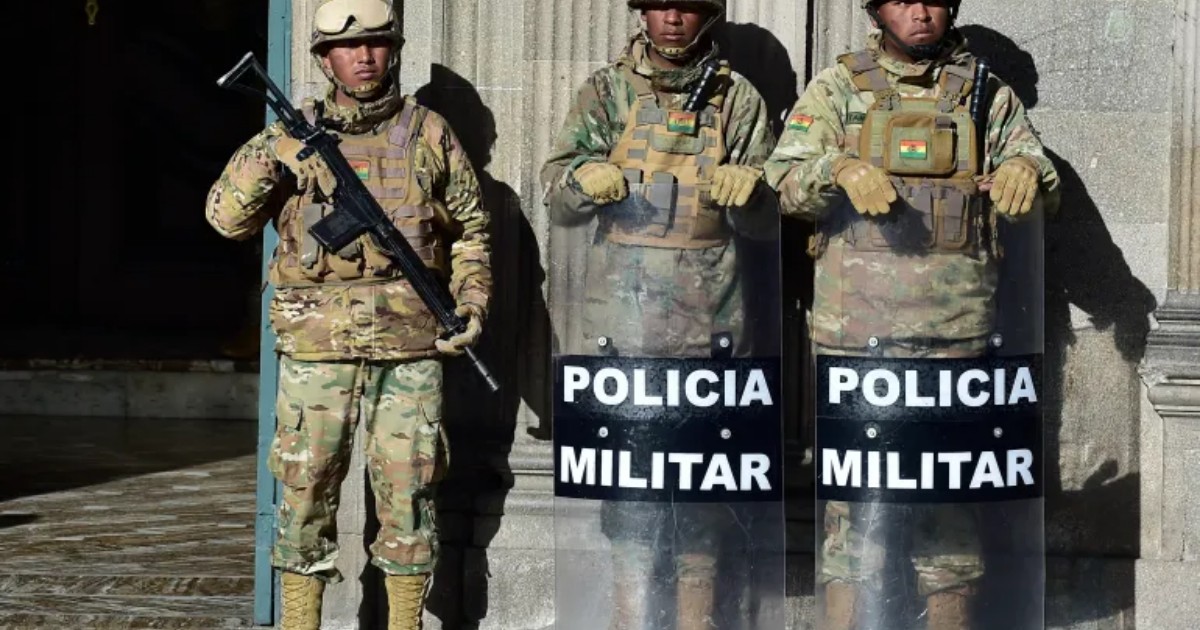
Bolivian President Rodrigo Paz declared a nationwide 90-day state of emergency in Bolivia on Saturday to dismantle long-standing road blockades, an official government statement confirmed, according to the Associated Press and Reuters. The administrative capital has been effectively isolated for the past 50 days due to intense anti-government demonstrations that have choked critical food and fuel supplies. The emergency decree grants the country`s armed forces sweeping authority to assist local police in clearing barricades and restoring public order across paralyzed transit routes.
Addressing the nation in a televised broadcast early Saturday morning, President Paz emphasized that the anti-government blockades had evolved from legitimate social protest into an organized attempt to destabilize the country`s democracy. He stated that the state of emergency in Bolivia does not intend to restrict the daily lives of citizens but rather seeks to restore their constitutional freedom from being held hostage by unlawful disruptions. The government stated that the emergency measures will remain active for 90 days but could be lifted earlier if the ongoing violence and threats against the general population cease completely.
The unrest intensified over the past five weeks following the administration`s implementation of severe economic austerity measures, which included the abrupt cancellation of long-standing fuel subsidies to shrink the national deficit. According to national human rights organizations and the ombudsman`s office, the ensuing violent confrontations between dynamite-wielding demonstrators and riot police have resulted in at least 365 arrests and 37 injuries. Additionally, at least 17 deaths have been recorded, with authorities attributing multiple fatalities to a critical lack of medical care caused by stranded ambulances and severe oxygen shortages in regional hospitals.
President Paz assumed office in November, concluding nearly two decades of uninterrupted rule by Bolivia`s Movement Toward Socialism party during a period of immense economic distress. Although he initially promised to resolve chronic fuel shortages and replenish dwindling central bank reserves while safeguarding social welfare, his aggressive fiscal reforms rapidly escalated domestic inflation. The current protests are largely driven by highland Indigenous communities and rural workers` groups who accuse the centrist administration of neglecting their basic economic needs since entering office.
On Friday night, the president finalized an agreement with a major labor union to lift some blockades, but separate rural associations aligned with former leader Evo Morales rejected the deal and vowed to continue their resistance. What remains unclear is whether the deployment of military forces will successfully restore commercial stability or simply provoke wider civilian clashes across the deeply polarized nation. For now, empty supermarket shelves, shuttered businesses, and long queues at fuel stations remain a stark reality for millions of Bolivians as the army prepares to clear strategic highways.