Germany’s exit from the 2026 FIFA World Cup following a loss to Paraguay has left the football nation in a state of crisis. For the third consecutive tournament, the four-time world champions have failed to make a significant impact, falling short of expectations. Yet, instead of conducting a transparent investigation into the structural and tactical flaws, the team leadership has reverted to a familiar and troubling tactic: finding scapegoats.
The parallels to the 2018 disaster are striking. Eight years ago, the focus shifted rapidly to Mesut Ozil and Ilkay Gundogan, both of whom faced vitriolic attacks from politicians and media outlets due to their Turkish heritage. The scapegoating was so severe that it contributed to Ozil’s premature international retirement. Today, the target is Deniz Undav, a forward of Kurdish and Yazidi origin whose contributions to the squad were arguably the only reason Germany progressed as far as they did in the group stages.
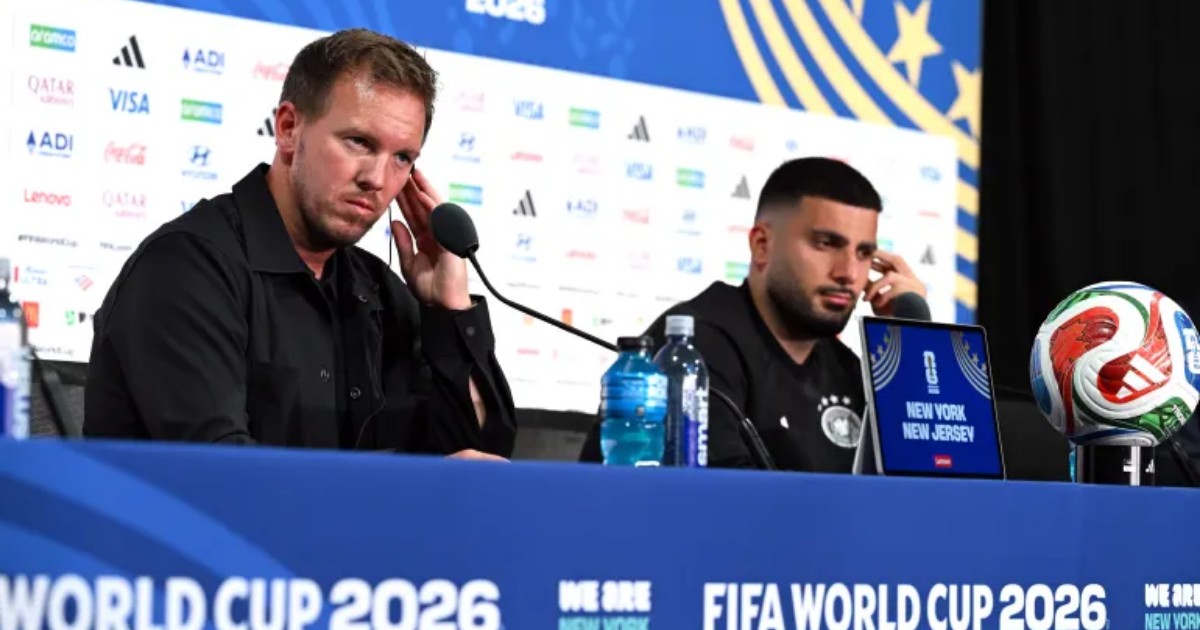
German manager Julian Nagelsmann singled out Undav in the aftermath of the Paraguay defeat, criticizing his positioning during a critical moment in the match. To many observers, this was a transparent attempt to deflect from Nagelsmann’s own erratic tactical choices throughout the tournament. The German public, however, seems largely unconvinced by this defensive narrative, focusing their frustration squarely on the manager’s inability to build a cohesive side.
The crisis within the German Football Federation runs deeper than the current managerial tenure. Two decades ago, Germany revolutionized its youth academy system, prioritizing technical ability over raw athleticism to reclaim its spot at the top of world football. However, the current setup feels increasingly dogmatic and disconnected from the modern game. Nagelsmann’s heavy reliance on granular data—often referred to by critics as the Laptop Trainer approach—has struggled to reconcile with the visceral, emotional requirements of international knockout football.
Deniz Undav’s personal journey highlights the disconnect between the academy system and reality. Having worked as a factory machine operator and playing in lower-tier leagues before eventually finding success in Belgium, Undav was largely overlooked by elite German clubs for years. His late entry into the national team setup has been marked by unnecessary friction from his manager, despite his consistent goal-scoring record.
As Germany looks toward the future, the federation must decide whether to continue this cycle of blame or undertake a genuine self-examination. If Germany wants to return to the pinnacle of international football, it needs to move beyond a culture that targets players based on background or convenience. The DFB needs to determine why talents like Undav are only being discovered at 27 rather than being developed at 17. The current trajectory suggests that without systemic reform, the golden days of German football may remain firmly in the past.