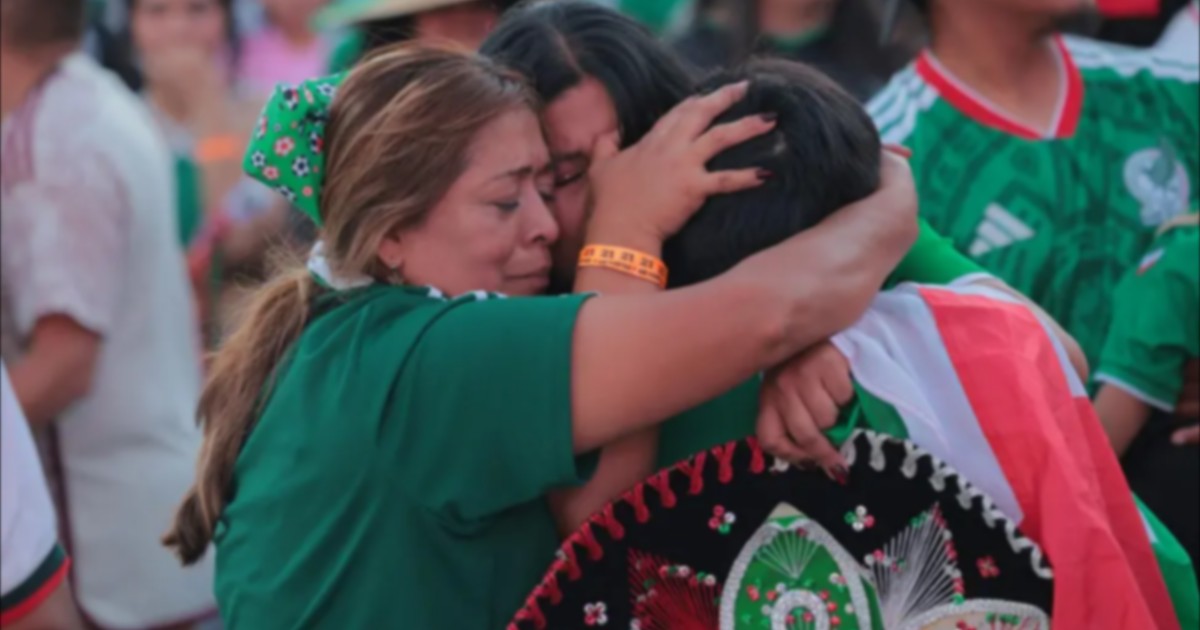
The atmosphere inside a crowded bistro in Santa Ana, California, was electric as supporters watched Mexico’s World Cup campaign conclude with a 3-2 defeat to England at the Azteca Stadium. While the loss was undoubtedly a disappointment, the mood remained defiant and celebratory. For the local Mexican-American community, this tournament was never just about winning a trophy; it was a rare opportunity to express joy and identity after a year marked by significant anxiety.
"This is sad, but we’re going to keep rooting for our people, no matter what," said Louie Leyla, who has lived in California since 1990. For this tight-knit community, Mexico’s progression through the tournament served as a triumph of spirit. For weeks, the bright green shirts of El Tri have been a fixture across Southern California, transforming public spaces into hubs of cultural pride and connection.
The sight of festive streets in Santa Ana stands in stark contrast to the climate just one year ago. During the height of immigration enforcement operations, many Latino neighborhoods were characterized by fear, with families staying indoors and businesses suffering as customers vanished. "What a difference a year makes," reflects Los Angeles Times columnist Gustavo Arellano. He describes the current celebrations as a form of catharsis—a collective exhale after months of living under the shadow of uncertainty.
This World Cup became a focal point for diaspora communities across the United States. As the nation marks its 250th anniversary, the tournament has highlighted a diverse America where millions maintain deep, emotional ties to their ancestral homes while fully participating in American life. The public display of Mexican flags and the singing of the national anthem were no longer framed by the political tensions of past decades, but by a modern sense of inclusion and multi-cultural pride.
For many supporters, the World Cup provided an essential platform to celebrate an identity that had previously been associated with fear of deportation and political hostility. Fans who once felt pressured to minimize their heritage now proudly wear their colors in public fan zones. This shift in the public expression of identity is a testament to how diversity has become an intrinsic part of the American experience, even during politically contentious times.
While the loss to England brought the tournament run to an end, the impact on these communities remains profound. By providing a common goal and a shared sense of identity, the World Cup offered Mexican-Americans something that had been sorely missing: a safe space to express pure, unadulterated joy. As Gustavo Arellano notes, the tournament’s success was not measured by goals alone, but by the ability of a sporting event to heal and unite a community during a challenging chapter in their history. The pride felt in Santa Ana today is not just for a football team, but for the resilience of a people who have reclaimed their joy and their place in the American story.