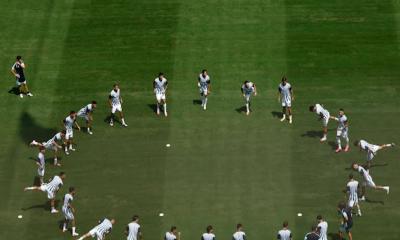
FIFA is reevaluating the future of mandatory hydration breaks following widespread criticism from fans during the 2026 World Cup, according to a report by Al Jazeera on Sunday.
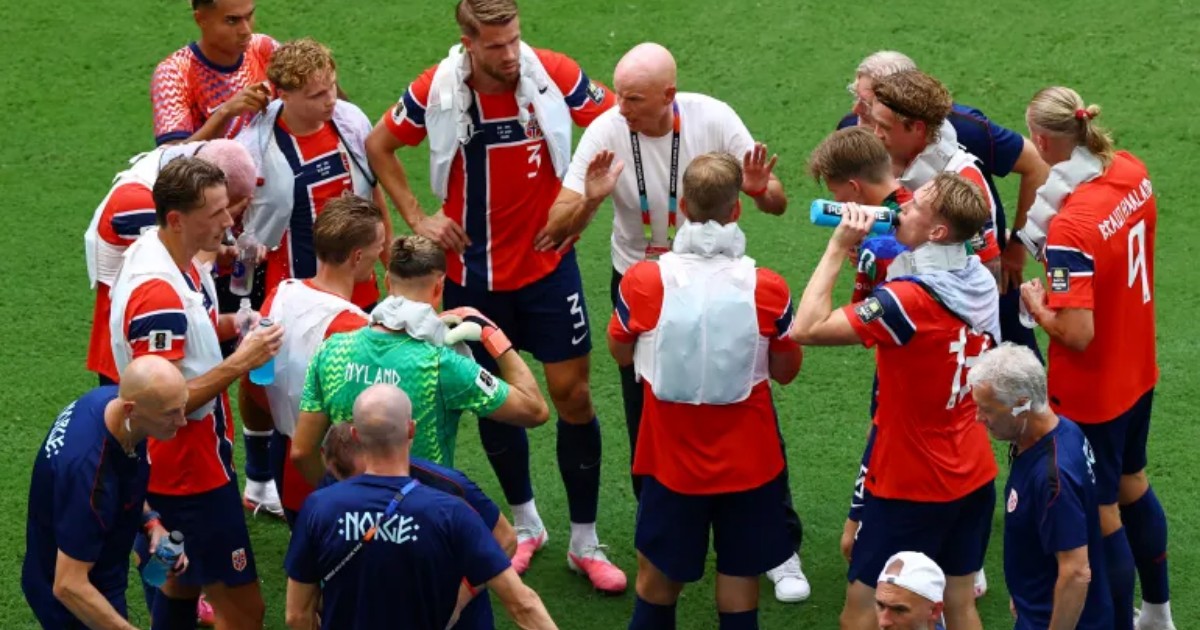
The three-minute intervals, which take place midway through each half, were introduced to help players cope with the intense summer conditions during the North American tournament. However, the disruption to the natural flow of the matches has caused significant frustration among football traditionalists and regular spectators. Visuals from Reuters during the July 11 knockout match between England and Norway highlighted how coaches frequently used the pauses as impromptu tactical timeouts, further stalling the game`s momentum. Arsene Wenger, the chief of global football development for FIFA, addressed the growing concerns during a press conference on Saturday at the New York New Jersey Stadium.
When asked by reporters if there was any empirical data proving that the pauses improved player performance or the overall quality of the game, Wenger simply replied in the negative. The former Arsenal manager acknowledged the widespread public dissatisfaction, stating that the governing body will conduct a thorough analysis of the rule`s impact once the tournament concludes. He emphasized that while the mandatory breaks did not appear to alter the competitive balance or the final results of the matches, FIFA remains fundamentally committed to serving the people who watch and support the sport.
What remains clear is that not all of the recent rule adjustments introduced by FIFA have faced similar public pushback. During the same press gathering, Wenger and other members of the technical study group highly praised a separate regulation implemented at this World Cup. This specific rule requires any player who requests on-field medical intervention to remain off the pitch for a full minute before returning to action, a move explicitly designed to reduce time-wasting tactics and theatrical displays on the grass.
The ongoing debate over the hydration breaks arrives just ahead of the highly anticipated World Cup final between defending champions Argentina and European titleholders Spain. As the global football governing body prepares to systematically evaluate the statistical and aesthetic impact of the mid-half pauses in the coming weeks, the immediate focus temporarily shifts back to the pitch for the closing act of the historic forty-eight-team tournament.