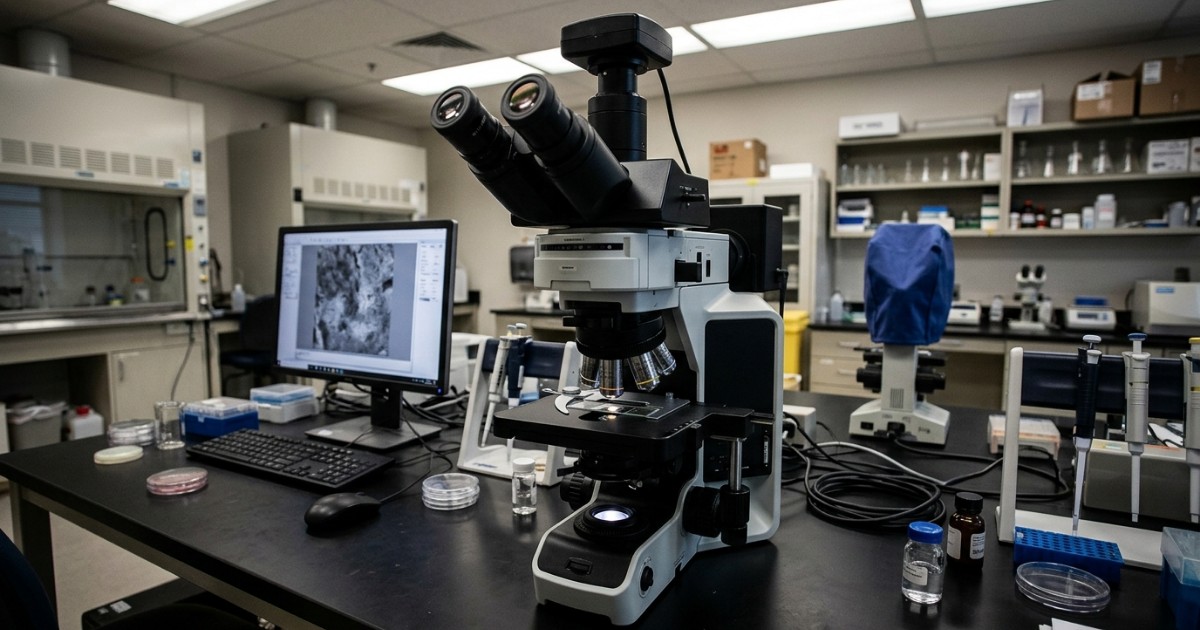
Organizers of the prestigious Nikon Small World in Motion microscopy competition have opened a formal review into this year`s winning entry following allegations from researchers that the footage was artificially generated using artificial intelligence tools. The annual contest, which has showcased scientific imagery captured through high-powered microscopes for fifteen years, awarded first place to a clip submitted by Dr. Ning Xu, a researcher affiliated with Tsinghua University in China. The video reportedly depicts microscopic hair-like structures known as cilia moving within the respiratory tract of a child diagnosed with a rare medical condition.
Controversy emerged quickly across the international scientific community.
Multiple specialists raised technical concerns regarding the behavior and physical dimensions of the structures shown in the clip. Edward Phelps, an associate professor at the University of Florida, noted in public discussions that several features appeared to materialize abruptly and vanish in ways inconsistent with biological cell behavior. Ian Donovan, a doctoral researcher at the UT Southwestern Medical Center, indicated that source frames exhibited visual artifacts characteristic of automated synthetic generation watermarks. In addition, two former judges of the competition expressed reservations regarding the fundamental authenticity of the footage.
Responding to inquiries on professional networking platforms, Dr. Xu denied violating the competition`s governing regulations. While acknowledging the application of artificial intelligence algorithms to differentiate and visualize features from reconstructed grayscale source captures, he maintained that automated tools were never used to generate the cilia, their physical motion, or the underlying experimental recording. Artificially bright coloring remains a standard practice within biological microscopy to distinguish cellular layers.
Nikon confirmed that Dr. Xu has complied with its procedural review by submitting technical documentation and original imaging files. The company indicated in an official communication that no definitive rule infractions have been established at this stage, though evaluations remain ongoing.
Dr. Patrick Hickey, who secured fifth place in the current competition, noted that the reputational recognition associated with the award carries far greater weight for researchers than the three-thousand-dollar monetary prize. He emphasized that strict rules exist to exclude generative synthesis, as scientists spend extensive hours working in isolation to present genuine laboratory observations to the wider public. A formal determination regarding the entry is expected upon the conclusion of technical assessments.