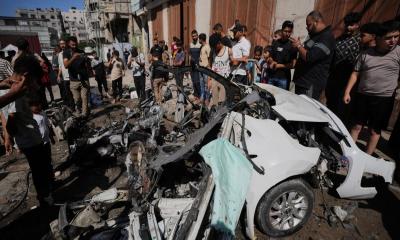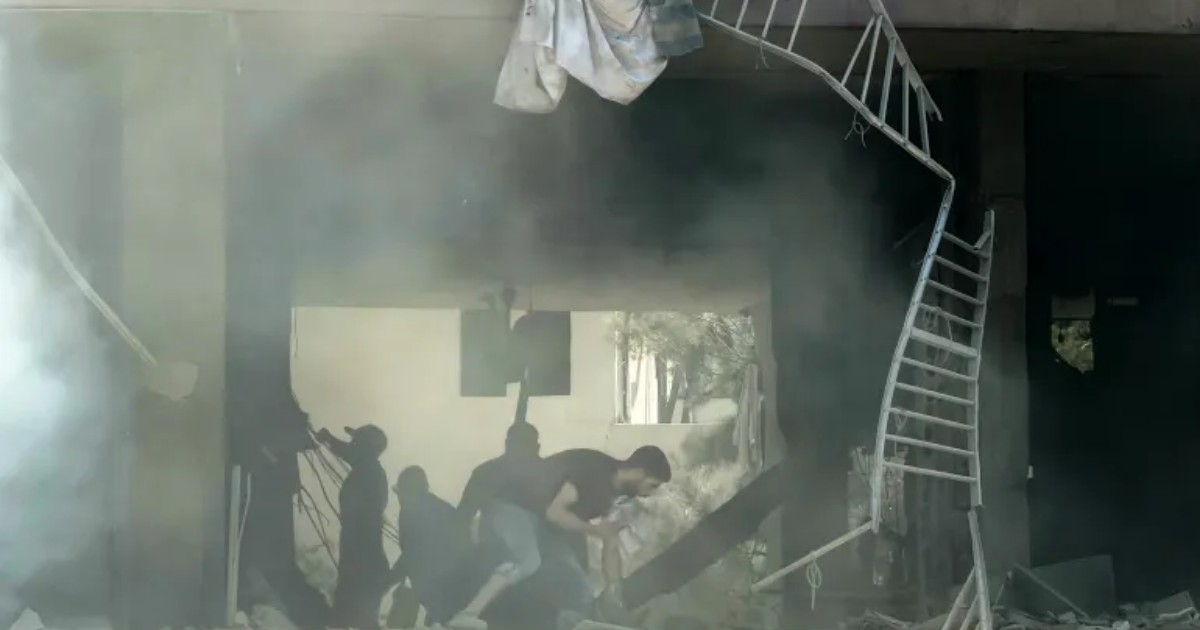
The Israeli military carried out airstrikes targeting southern Beirut on Sunday, killing at least three people and wounding six others, Lebanon`s civil defense agency and Al Jazeera reported. Emergency responders confirmed that the bodies of three martyrs were recovered from under the rubble of a collapsed five-story residential building in the Ghobeiry neighborhood within the Dahiyeh district. The Israeli Broadcasting Authority revealed that two military warplanes fired four guided missiles during the precise operation. Prime Minister Benjamin Netanyahu`s office released a joint statement asserting that the bombardment targeted Hezbollah infrastructure in direct response to three projectiles launched toward northern communities, characterizing the cross-border fire as a blatant ceasefire violation.
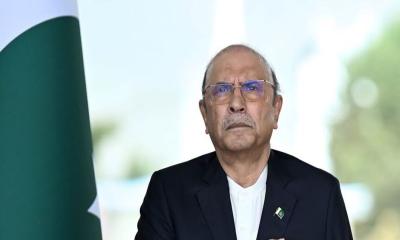
The sudden military escalation threatens to derail highly sensitive diplomatic negotiations focused on a preliminary peace memorandum of understanding currently being brokered between the United States and Iran. US President Donald Trump announced on his Truth Social platform that a landmark bilateral agreement was scheduled to be signed on Sunday, which would subsequently reopen the strategic Strait of Hormuz to international shipping lines. Pakistan`s Prime Minister Shehbaz Sharif, acting as a key mediator since the ceasefire began in April, echoed this optimism by stating that a digital framework completion was highly expected within 24 hours. However, Iranian Ministry of Foreign Affairs spokesman Esmaeil Baghaei urged caution regarding the immediate timeline, clarifying that while an agreement was close, a formal signing ceremony would not take place on Sunday.
What remains unclear is whether the latest bombardment of the Lebanese capital will prompt Tehran to shift its strategic posture and completely withdraw from the active diplomatic framework. Iranian officials have repeatedly emphasized that any military offensive targeting southern Beirut represents an absolute red line for the Islamic Republic. When Israeli warplanes struck the Dahiyeh district last week, Iran responded by launching a barrage of retaliatory missiles directly at Israel, which prompted an intense phone call from President Trump demanding immediate restraint from Netanyahu. In an effort to resolve the current disputes and narrow the gaps between both sides, a high-level Qatari diplomatic delegation arrived in Tehran on Sunday morning to stabilize the proposed memorandum of understanding.
The broader regional conflict has resulted in devastating human casualties, with the Lebanese health ministry reporting that nearly 3,700 people have been killed since the escalation intensified on March 2, including 730 women, children, and medical personnel. Iranian Foreign Minister Abbas Araghchi clarified on Friday that while a formal peace pact has never been closer, Tehran will not accept any deal that permits ongoing military strikes against its regional allies or leaves Lebanon isolated. Political analysts in Tehran noted that the security situation in Lebanon is an integral and central part of the peace deal, meaning any unprovoked aggression could present a huge setback for future negotiations. As thick black smoke continues to billow over the Beirut skyline, the renewed violence underscores the extreme fragility of peace initiatives across the Middle East.