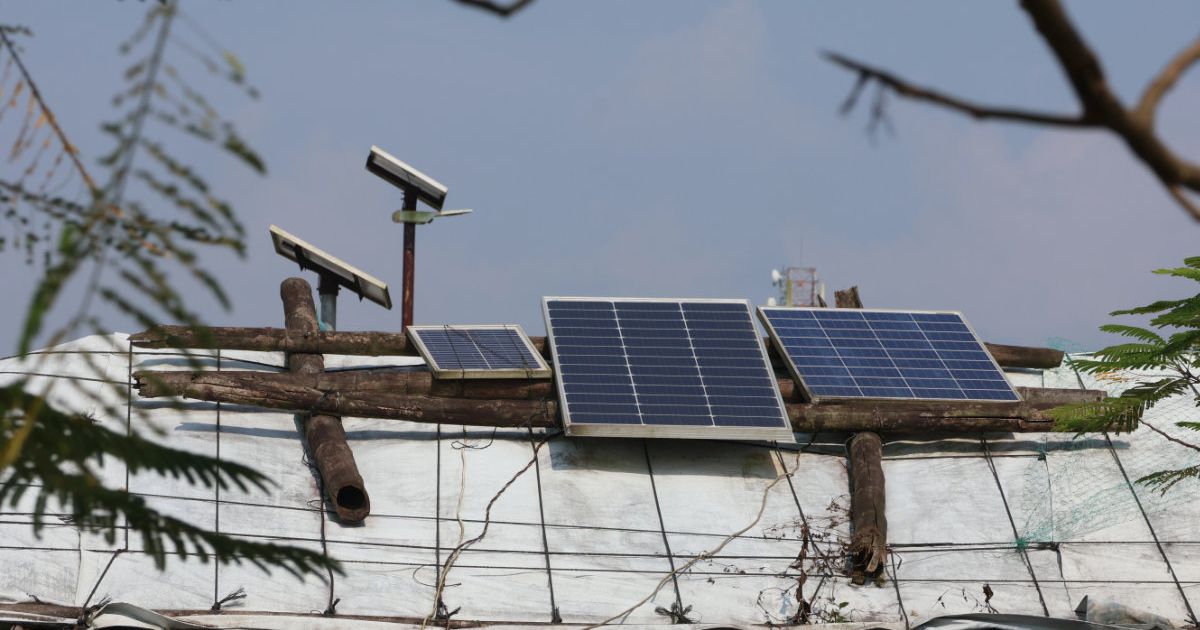
Humanitarian organisations around the world are increasingly integrating portable solar energy kits into disaster relief operations and displaced persons camps. From refugee settlements in Bangladesh to conflict zones in Ukraine and flood-hit regions in Nepal, renewable energy is proving to be a vital tool for vulnerable populations.
Portable solar equipment provides a dependable source of power, making daily life significantly easier for communities facing displacement and extreme weather.
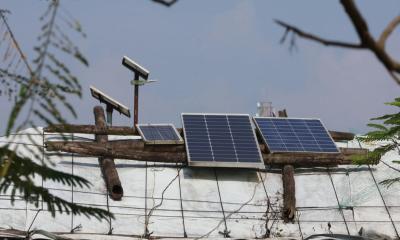
In Teknaf, Bangladesh, Rohingya refugee Mohammed Saber relies on a portable solar panel given to his family as humanitarian aid six years ago. Saber fled Myanmar in 2017 following a military crackdown on the Rohingya minority.
"We can now charge our phones, cook with light, children can study at night and use fans during the hot season," Saber said, describing the impact of the equipment on his family’s bamboo-and-tarpaulin shack.
Experts note that renewable energy solutions have become essential as climate change intensifies extreme weather events. At the same time, ongoing wars, sanctions, and political upheavals continue to create volatility in fossil fuel prices.
Sarah Rosenberg-Jansen, a research fellow at the Stockholm Environment Institute, stated that solar kits are grid-independent and invaluable when humanitarian needs surge during crises. These compact units are easy to move, function without utility companies, and can be deployed immediately in fast-changing emergencies such as rising floodwaters or shifting conflict lines, according to Rosenberg-Jansen.
The role of solar technology in disaster relief has expanded as manufacturing scales up and costs fall. Unlike fossil fuels, which are prone to severe price shocks and high transport costs in disaster zones, solar panels offer a reliable and affordable alternative.
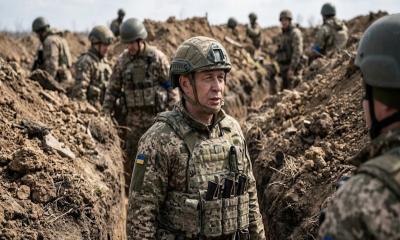
Yuriy Boyechko, CEO of the United States-based nonprofit Hope For Ukraine, highlighted the simplicity of the technology. The organisation provides solar kits to families in war-torn Ukraine, noting that even elderly recipients find the equipment straightforward to operate.
Global humanitarian projects are increasingly adopting these systems across various regions. A tuberculosis clinic operated by Doctors Without Borders on the outskirts of Karachi uses solar energy, while the UN migration agency installed solar-powered water filtration systems in South Sudan’s Renk county for families displaced by the conflict in neighbouring Sudan. Additionally, local and international charities distributed solar kits following massive floods in Nepal in August that resulted in 1,455 deaths and thousands of missing persons.
Despite these advancements, humanitarian agencies face significant hurdles in scaling up renewable energy adoption. Mark Gibson from the Global Platform for Action explained that established aid systems rely on long-term diesel generator leases, making the transition to solar challenging due to the need to establish new distribution chains in risky environments.
Furthermore, international donor funding cuts have severely impacted technical expertise and progress within the humanitarian sector, according to program leader Aimee Jenks. While costs have decreased, financial constraints remain a major barrier to meeting overwhelming demand.
Hope For Ukraine expects to distribute over 3,200 kits by the end of 2026, yet funding limitations mean the nonprofit maintains a waiting list of approximately 20,000 families. As humanitarian organisations navigate these funding and bureaucratic obstacles, the ongoing shift towards renewable energy continues to reduce reliance on polluting fossil fuels in crisis zones.