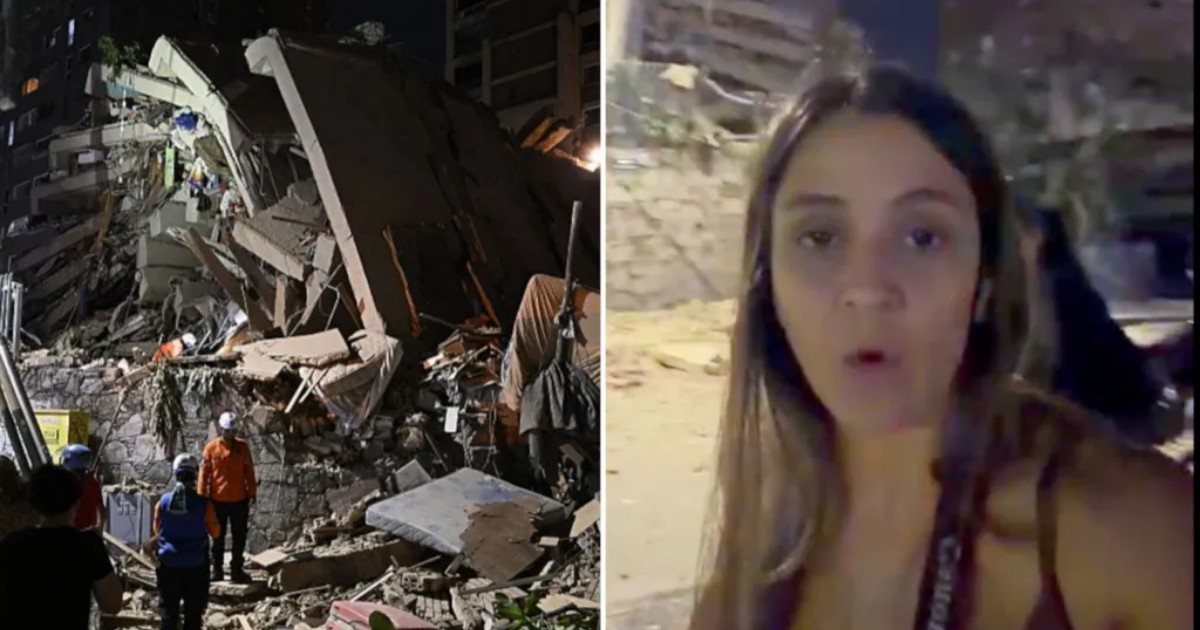
At least 160 people were killed after powerful back-to-back earthquakes struck the Venezuelan capital of Caracas on Wednesday evening, according to reports from BBC News and Reuters. The first tremor measured a magnitude of 7.2 and hit the region around 18:00 local time, followed just 39 seconds later by an even stronger 7.5-magnitude earthquake. Towering residential and commercial buildings collapsed across the city, leaving hundreds of others injured and trapped under heavy debris. Panicked residents fled into the streets as the ground violently rocked, fearing immediate aftershocks would bury them inside their homes. Search and rescue teams have been deployed to dig through the wreckage in a desperate race against time.
The full extent of the humanitarian crisis and material damage across other affected parts of the country remains unclear due to widespread power and internet outages. Dazed locals spent the night milling the streets, waiting for news about their damaged properties and missing loved ones. Emergency officials have warned that they have not yet begun to fully gauge the losses in some of the hardest-hit municipal districts. What remains unclear is the exact number of casualties in remote areas where communication infrastructure has completely failed. The government has already designated several sectors as disaster zones to streamline international and domestic relief operations.
Caracas resident Veronica told BBC Mundo that she was at home celebrating a national holiday with her mother when the apartments began to shake violently. She described experiencing intense panic and believing she was going to die as the walls cracked around her. Her sister, a journalist, spent several agonizing hours trying to establish contact with the family amid radio silence and rising chaos. While Veronica and her mother eventually confirmed they were physically safe, their building was entirely destroyed, rendering them functionally homeless. Similar stories of sudden displacement have emerged from residents across the central districts of the capital.
Another local resident from eastern Caracas, 56-year-old Coro Martinez, told Reuters that she had never experienced anything as intense in her lifetime. She recalled a very loud crash before household items and appliances were thrown to the floor inside her home. Historically, a 6.6-magnitude earthquake had struck Caracas back in 1967, resulting in more than 200 fatalities and widespread architectural destruction. However, survivors noted that the latest consecutive tremors felt much longer and significantly more destructive than any previous seismic event. Major transportation hubs, including the primary international airport serving the capital, suffered critical structural damage and canceled all flights.