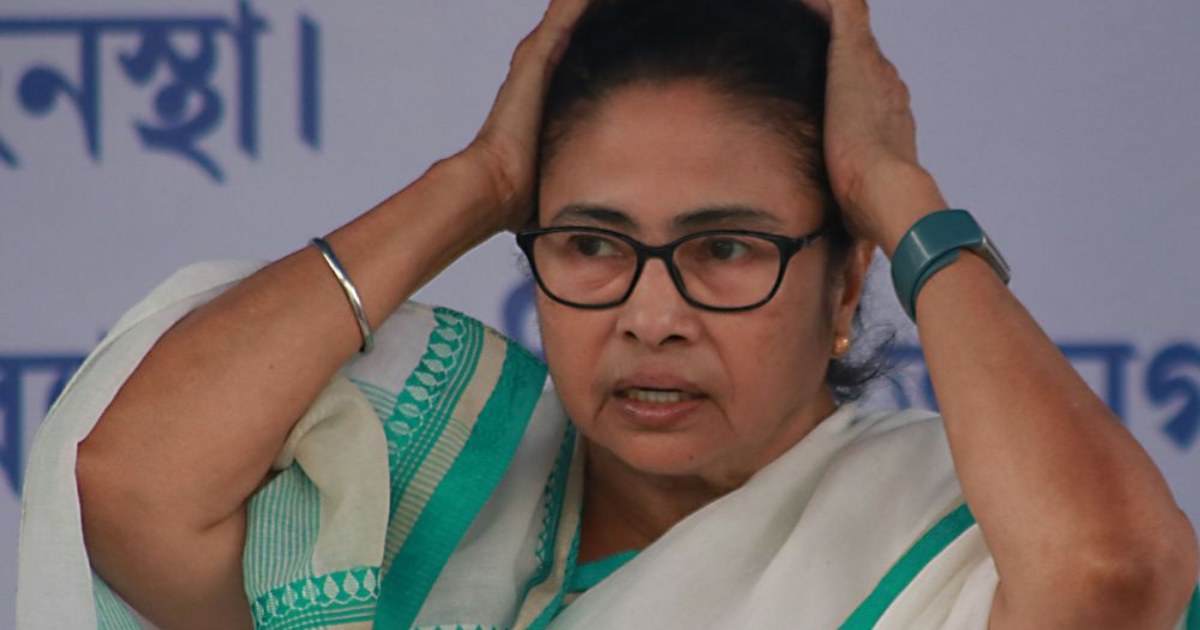
The political landscape of West Bengal has undergone a seismic shift. After a 15-year uninterrupted run, Mamata Banerjee’s Trinamool Congress (TMC) has been ousted, paving the way for the Bharatiya Janata Party (BJP) to claim power with a decisive two-thirds majority. However, the ruling TMC has yet to officially concede defeat. According to regional reports and BBC News, Banerjee and senior party leader Abhishek Banerjee are scheduled to address the media from their Kalighat residence late Tuesday afternoon to outline their stance.
The TMC leadership has preemptively accused the Election Commission of India of helping the BJP "loot" approximately 100 seats. They argue that the results do not reflect a free and fair process, primarily citing the mass deletion of voters from the electoral rolls. But beyond the political rhetoric, analysts point to five critical factors that orchestrated the collapse of the TMC stronghold.
The most significant blow arguably came from the collapse of the female vote bank. For years, welfare schemes like `Lakshmir Bhandar` and `Kanyashree` guaranteed Banerjee the steadfast support of women, who make up over 50 percent of the electorate. That dynamic fractured irreparably following the 2024 RG Kar hospital tragedy, where an on-duty doctor was raped and murdered. The subsequent `Abhaya` movement exposed deep-seated anger over women`s safety. In a striking testament to this shift, the victim`s mother, running on a BJP ticket, secured a massive victory in Panihati—a traditional TMC bastion.
Another defining element was the Election Commission`s Special Intensive Revision (SIR) of the voter list. The exercise resulted in the removal of over 9 million names across the state. While TMC officials claim millions of legitimate voters were disenfranchised, the BJP maintains the purge merely cleaned up phantom and deceased voters that had historically inflated TMC tallies. Regardless of the competing narratives, the systemic cleanup undeniably altered local voting mathematics in favor of the opposition.
What followed was the tipping point of anti-incumbency. A decade and a half of rule brought mounting allegations of systemic corruption, local extortion networks known as `syndicates,` and severe administrative fatigue. Youth unemployment remained a glaring vulnerability. The TMC`s last-minute rollout of a monthly stipend of 1,500 rupees for the unemployed proved insufficient to counter the widespread economic frustration.
Demographic polarization also played a decisive role. Observers have long noted that the TMC`s electoral invincibility relied heavily on securing 85 to 90 percent of the state`s Muslim vote, a community comprising roughly 30 percent of the population. This election, however, witnessed an unprecedented consolidation of Hindu votes behind the BJP. This counter-mobilization was so potent that the BJP managed to capture several seats in Muslim-majority districts like Malda and Murshidabad. Banerjee’s recent attempts at `soft Hindutva`—funding the construction of Hindu temples with state money—failed to sway the consolidated electorate.
Finally, the sheer logistics of the election stripped the TMC of its usual incumbent advantages. Taking aggressive control early on, the Election Commission transferred key District Magistrates and Superintendents of Police. Furthermore, the deployment of over 240,000 central security personnel ensured an environment largely free of the local intimidation tactics that have historically marred elections in the region.
The timeline of TMC`s next steps remains unclear. But as the dust settles, it is evident that a combination of administrative strictness, social movements, and deep-rooted anti-incumbency has permanently rewritten West Bengal`s political playbook.