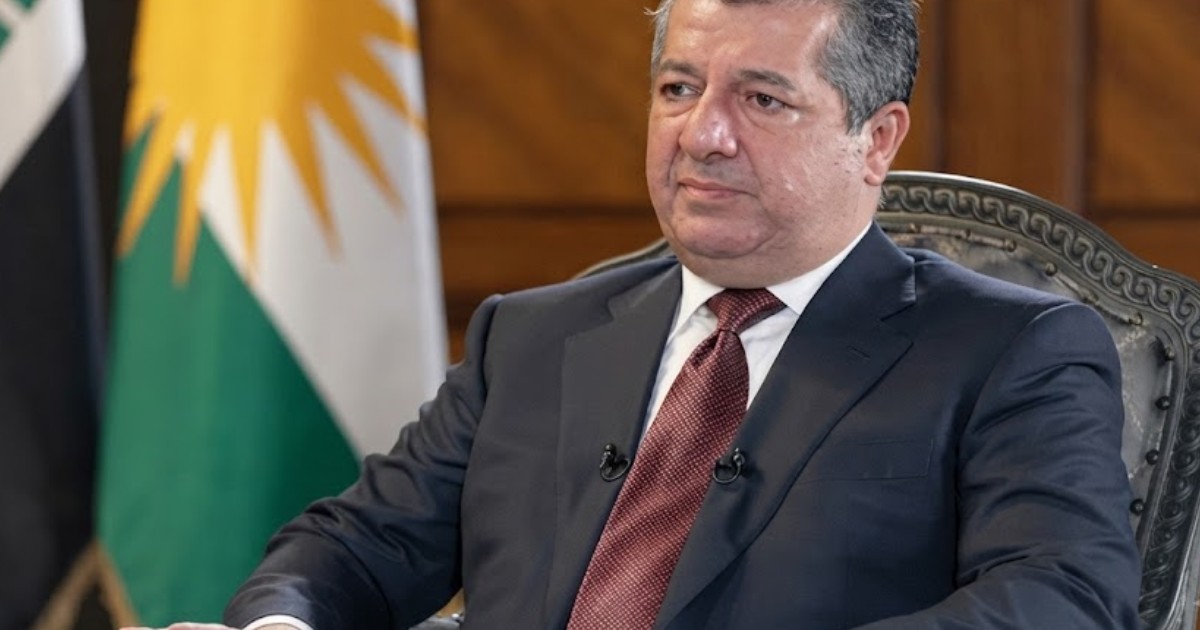
The Prime Minister of the Kurdistan Regional Government in northern Iraq has stated that the semi-autonomous region has no intention of getting entangled in the broader regional conflict. Speaking in an exclusive interview with Al Jazeera, Masrour Barzani emphasized that no external party has exerted pressure on the region to enter the ongoing hostilities, maintaining that peaceful dialogue remains the only viable path forward.
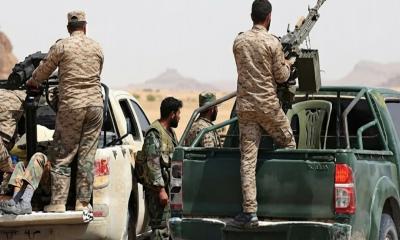
Barzani pointed out that the region`s infrastructure has suffered severe damage due to more than one thousand missile and drone strikes since the conflict escalated earlier in the year. These attacks originated either directly from neighboring states or through aligned militias operating within Iraqi territory. Characterizing the strikes as entirely unjustified, the KRG prime minister reiterated that regional disputes must be resolved through diplomatic channels rather than military escalation.
Addressing security installations in the region, Barzani referenced a past strike by Iran`s Islamic Revolutionary Guard Corps on the al-Harir Air Base near Erbil. He clarified that the facility had not hosted American military personnel for nearly a decade following the defeat of ISIL by the international coalition. While US forces remain stationed in Erbil for counter-terrorism missions, their presence has frequently drawn hostile fire amid widening regional tensions.
Furthermore, Barzani expressed strong support for the Iraqi federal government`s efforts to consolidate state control over all weaponry. Baghdad has established a firm deadline for various armed factions to disarm and surrender their military assets to state authorities. The KRG leadership views this domestic consolidation as a vital step toward reinforcing national sovereignty and preventing unauthorized military factions from destabilizing the country.
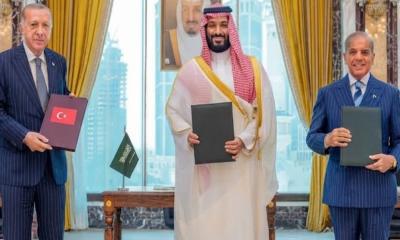
On the diplomatic front, the prime minister denied any bilateral relations with Israel while highlighting deepening cooperation with neighboring Syria and Turkiye. Recent high-level visits between Kurdish leadership and Syrian officials mark a significant shift in cross-border relations following the collapse of the previous administration in Damascus. These diplomatic engagements underscore Erbil`s commitment to fostering stable economic and political ties across the Levant.
As regional actors navigate the volatile geopolitical landscape, the Kurdish leadership remains steadfast in its policy of neutrality regarding external wars. By prioritizing internal stability, economic development, and robust cooperation with federal authorities, Iraqi Kurdistan aims to insulate its population from the devastating spillover effects of ongoing Middle Eastern confrontations.