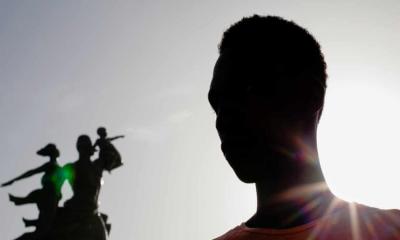
Senegal has detained at least 320 people on allegations of acts against nature. The arrests follow the tightening of laws criminalising homosexuality earlier this year, according to a report released on Thursday by Human Rights Watch and the HIV Justice Network.
Lawmakers amended the penal code on 11 March. The legislative changes doubled the maximum prison term for consensual same-sex relations to 10 years.
The revised legislation also introduced prison sentences of up to seven years and fines ranging from 500,000 to five million CFA francs for promoting homosexuality, or for supporting or financing LGBTQ+ people and organisations. Same-sex sexual activity has been illegal in Senegal since 1965.
Larissa Kojoué, an LGBTQ+ rights researcher at Human Rights Watch, said individuals are being forced to curb their normal activities for fear of arrest and increased stigma. She called on the government of Senegal to halt the crackdown.
During the 2024 presidential campaign, President Bassirou Diomaye Faye and former prime minister Ousmane Sonko both promised to strengthen laws criminalising same-sex relations.
Police have carried out arrests nationwide based on information extracted from seized phones, third-party allegations, and raids on private premises. More than 84 of those detained have been charged with voluntary HIV transmission solely on the basis of their HIV status, alongside forced HIV testing.
The legislative changes have created a chilling effect for legal professionals. Lawyers expressed fear that they could face prosecution themselves if they represented detained individuals.
Medical workers told Human Rights Watch that the new legal environment is discouraging people from seeking HIV testing and treatment. Sylvie Beaumont, a consultant with the HIV Justice Network, warned that clinics have seen a drop in attendance.
Beaumont described the charges of intentional HIV transmission as nonsensical. Many detainees only discovered their status upon arrest, were found with condoms, or were already on treatment that makes transmission impossible.
Police have also leaked confidential details of ongoing criminal investigations to the media, exposing personal information and HIV statuses. This has led to social stigma, family rejection, and violence.
Members of the LGBTQ+ community told Human Rights Watch that the campaign has caused widespread anxiety and depression, prompting many to go into hiding, restrict their movements, or leave the country entirely.