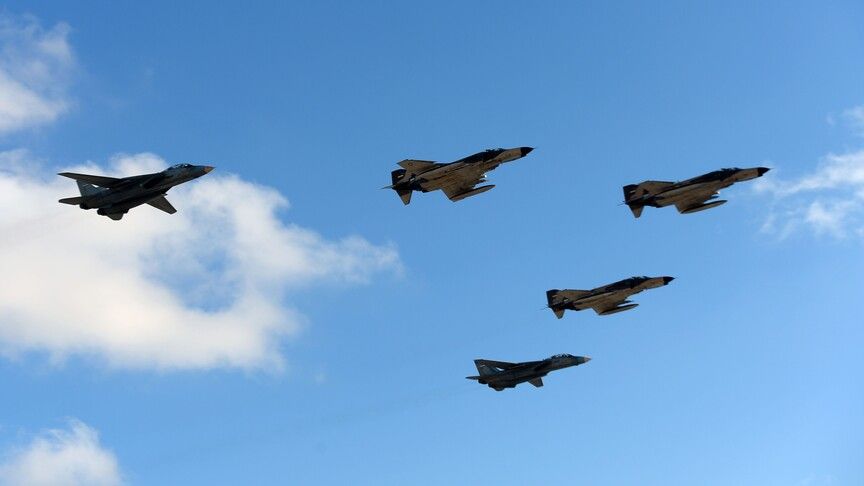
Iran Air lost up to thirty aircraft during the recent military conflict involving the United States and Israel, the head of the national carrier announced on Tuesday. Taher Abdolhai, who also serves as chief executive officer of the airline known as HOMA, shared the figures during a news conference.
Addressing reporters, Abdolhai stated that the country requires roughly 1,000 passenger aircraft in total. The current national fleet stands at around 300 planes, according to the airline chief.
Before the outbreak of the war, between 130 and 140 of those aircraft were fully operational. The conflict resulted in the destruction of 20 to 30 planes.
Abdolhai said between 70 and 80 aircraft were targeted in total during the hostilities. He claimed that Israeli strikes inflicted severe damage on Iran Air equipment.
While aircraft belonging to other operators sustained hits from single missiles, one of Iran Air’s planes was completely obliterated, Abdolhai said. The wider conflict has inflicted extensive damage on civilian and military infrastructure across the nation.
International sanctions have steadily eroded the operational capacity of Iran Air. These restrictions limit the airline’s access to profitable international routes.
Abdolhai pointed to difficulties in securing spare parts, severe financial constraints, and ongoing staffing challenges as major hurdles for the company. Longstanding US measures have blocked Iran’s access to new aircraft, maintenance services, and international financing.
Washington abandoned the 2015 nuclear agreement in 2018 and reimposed sweeping sanctions. That move derailed aircraft purchase agreements with manufacturers Boeing and Airbus, leaving several planes grounded and driving up maintenance expenses.
Despite the shrinking operational fleet, Iran Air currently maintains a workforce of over 9,000 employees. Abdolhai emphasised the urgent necessity of improving efficiency as the number of available aircraft continues to decline.
At the same time, the airline chief voiced strong opposition to any plans for privatising the national carrier. He argued that Iran Air fulfils critical strategic national interests that extend well beyond standard commercial aviation.