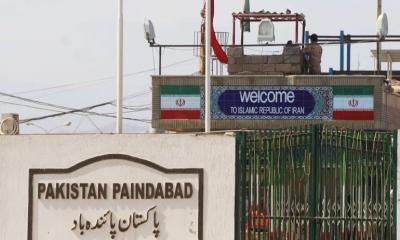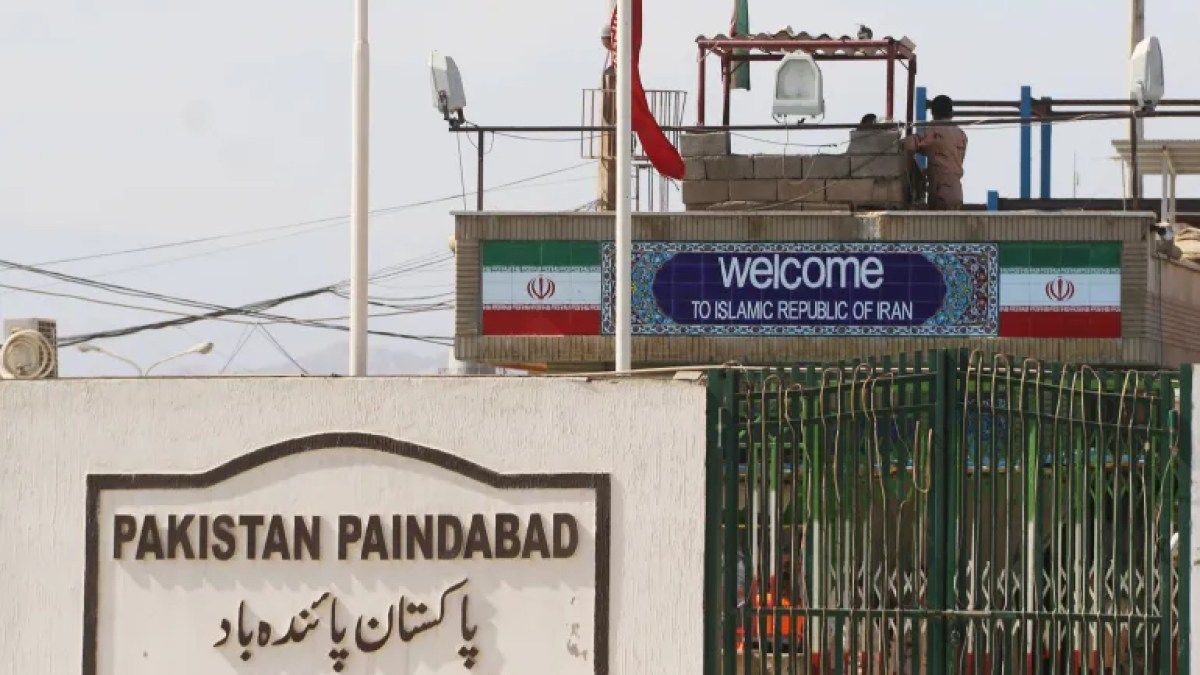
Pakistan has suspended trade with Iran at the Taftan and Gabd-Rimdan border crossings in Balochistan province. The action left around 2,000 freight trucks stranded on both sides. The suspension took effect on Saturday, according to the Quetta Chamber of Commerce and Industry. Passenger traffic has continued at the Gabd-Rimdan crossing.
Pakistan’s federal government has not issued a public statement on the closure. Authorities in Balochistan and Tehran have provided differing explanations for halting cross-border exchanges along the 900-kilometer shared frontier.
Bakhtiar Ismail, deputy commissioner of Chagai district where the Taftan crossing is located, described the action as a temporary security measure. He wrote on social media that the closure aims to improve border management and support counterterrorism efforts. He added that the crossing will reopen once effective measures are implemented.
Shahid Rind, an aide to the Balochistan chief minister, stated that the move addresses security concerns, aims to prevent smuggling, and makes the border system more effective. Iranian Foreign Ministry spokesman Esmaeil Baghaei cited technical issues and precautionary measures for the temporary halt in cross-border movement, according to state media.
Analysts suggest broader strategic factors may also be at play. Imtiaz Baloch, a Quetta-based security researcher, said the decision appears motivated by broader strategic considerations alongside security concerns, particularly amid economic sanctions on Iran. Javad Heiran-Nia, head of the Persian Gulf Studies Group in Iran, said that Tehran’s phrasing could encompass administrative problems, customs procedures, or financial transactions.
Official bilateral trade between the two nations stood at about $2.8 billion in the 2023-24 period, including $684 million in Pakistani exports. Trade routes through Gabd and Taftan had taken on greater importance following the US blockade of Iranian southern ports earlier in the year.
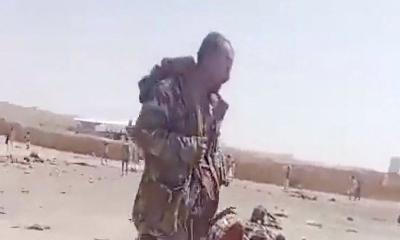
The border closure coincides with a sharp rise in violence on both sides. In Pakistan’s Balochistan province, the Pakistan Institute for Conflict and Security Studies recorded 62 security personnel killed in July, while nationwide attacks reached a 12-year high in September. In Mastung district, 20 police personnel were abducted from a van on Friday. An army major was killed by an improvised explosive device in Gwadar district two days later.
Across the border in Iran’s Sistan-Baluchestan province, a series of attacks has targeted security forces this month. A senior police official was killed by a roadside bomb near Zahedan, and a commander of a women’s unit of the Basij paramilitary force was shot dead outside her home in Mehrestan district.
Jaish al-Adl, a Sunni Baloch armed group, has claimed several attacks in Sistan-Baluchestan. Tehran has frequently accused the group of operating from Pakistani territory. Islamabad maintains that the group has no organized presence on its soil.