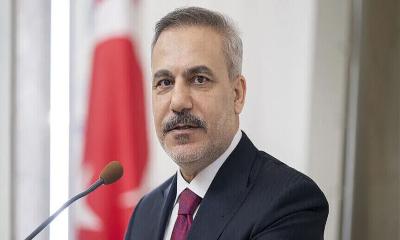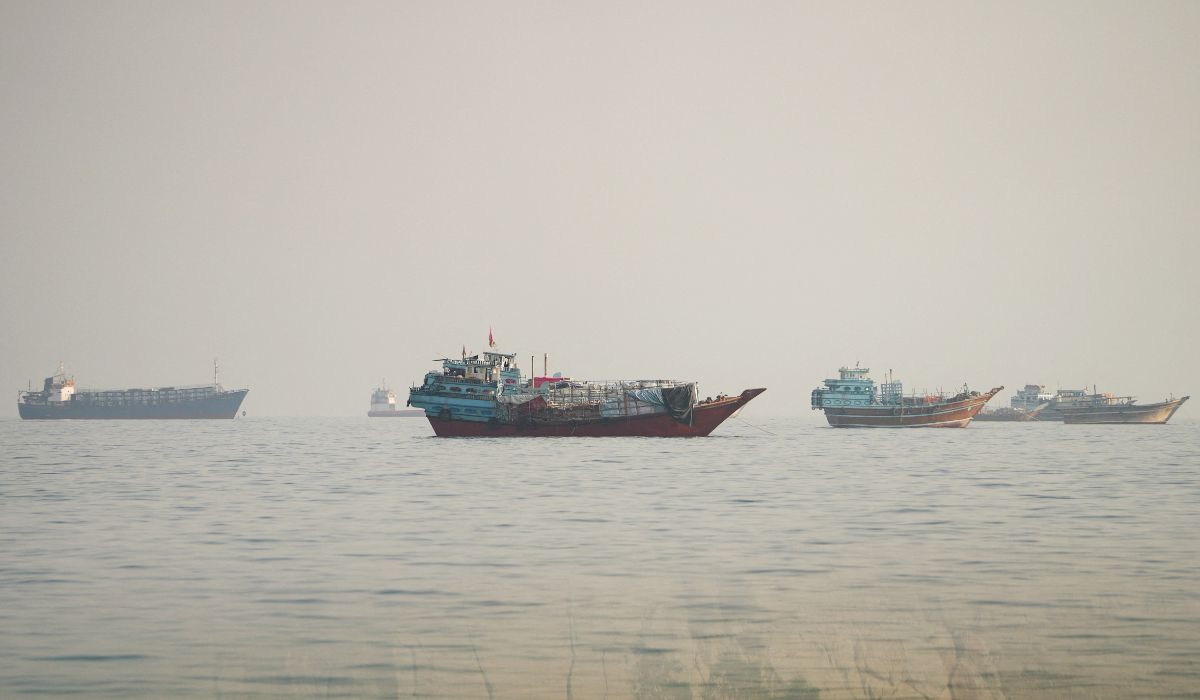
Iran has pressed the United States to endorse its plan to reopen the shipping lane within seven days. Foreign Minister Abbas Araghchi told local media on Sunday that the offer is still open.
Tehran submitted the proposal in mid-September after the collapse of a temporary ceasefire. Officials later acknowledged receiving a response from Washington.
Negotiations hit obstacles because the United States failed to address all seven conditions required to unlock the passage. Ali Akbar Ahmadian, secretary of Iran’s Supreme National Security Council, pointed to these missing responses last week.
“Our position is clear and based on the seven-day proposal presented to the United States,” Araghchi said in Baghdad.
The diplomat made the remarks at a gathering of the Organization of Islamic Cooperation. He questioned the sincerity of Washington regarding the diplomatic initiative.
“They have made their observations, which we are reviewing, but our proposal is still on the table, and if there is any integrity on the American side, which there is not, then the path to opening the Strait of Hormuz is clear,” Araghchi stated.
Tehran’s demands include lifting the American blockade on Iranian ports, removing US sanctions on petroleum exports, and halting regional hostilities entirely.
Acceptance of these terms by Washington would lead to the maritime route opening within six days. Talks would then resume on the seventh day.
Disagreements persist over the scope of the dialogue. Washington demands that Iran reduce its uranium enrichment capabilities to help conclude the conflict, which has lasted nearly eight months.
US Vice President J.D. Vance outlined these requirements earlier this month. The eight-month-old war has impacted regional trade and stability.
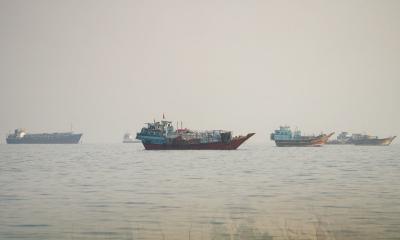
Tehran maintains that initial discussions must prioritise the reopening of the waterway and the restoration of local security. About one fifth of the global oil and liquefied natural gas trade moved through the strait before the conflict began.