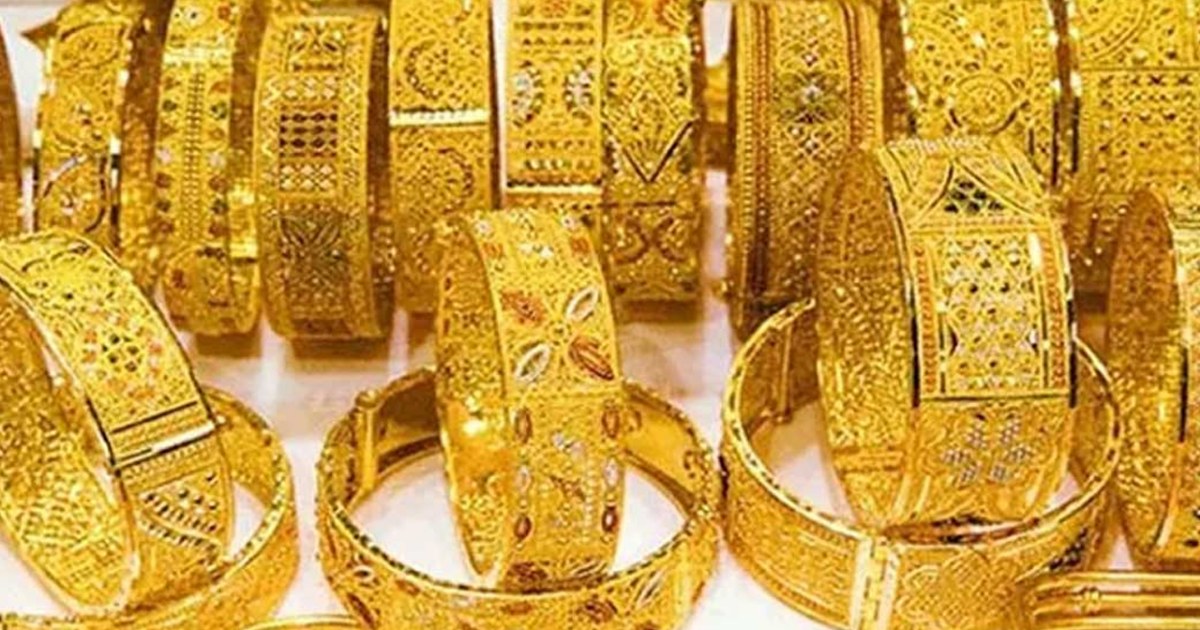
DHAKA, Bangladesh — The Bangladesh Jewelers Association (BAJUS) has officially announced a reduction in gold prices in the local market, effective from Tuesday morning. This decision comes as a response to a decline in the price of pure gold, commonly referred to as "tejabi gold," within the domestic market. The standing committee on pricing and price monitoring made the call during an emergency session today, and the new rates have been implemented across the country starting at 10:00 AM on May 5.
According to the new price structure, the cost of the highest quality 22-carat gold has been slashed by BDT 2,158 per bhori (11.664 grams). Consequently, the new price for 22-carat gold stands at BDT 240,337 per bhori, down from its previous price of BDT 242,495. Market insiders suggest that this adjustment reflects the current supply-demand dynamics and the fluctuating nature of the precious metal`s value in the local landscape.
The price reduction extends to other grades of gold as well. The 21-carat gold is now priced at BDT 229,431 per bhori, while the 18-carat variant has been adjusted to BDT 196,655 per bhori. Furthermore, gold sold through the traditional method will now cost BDT 160,147 per bhori. While gold buyers may find some relief in these new rates, silver prices have remained unchanged. The price for 22-carat silver stays at BDT 5,482 per bhori, with other grades also maintaining their previous market values.
The year 2026 has been marked by significant volatility in the precious metals market. So far, the price of gold in Bangladesh has been adjusted 61 times in just over four months. Out of these adjustments, the price was increased 33 times and decreased 28 times. This frequency is notably higher than the previous year. In 2025, gold prices were adjusted a total of 93 times over the entire twelve months, including 64 hikes and 29 reductions. This rapid pace of price changes continues to pose challenges for both consumers planning large purchases and jewelry retailers managing inventory.
Before this latest cut, the last price adjustment occurred on the evening of April 30, when BAJUS increased the gold rate by BDT 2,158. The reversal of that hike within less than a week underscores the current instability of the market. Experts point out that global economic factors and local currency fluctuations are major drivers behind these frequent revisions. While silver prices have seen 36 adjustments this year, they have remained more stable over the past few weeks compared to the sharp movements seen in the gold sector. Consumer groups expect that this marginal drop might provide a brief window of opportunity for those looking to invest in jewelry during the ongoing wedding season.