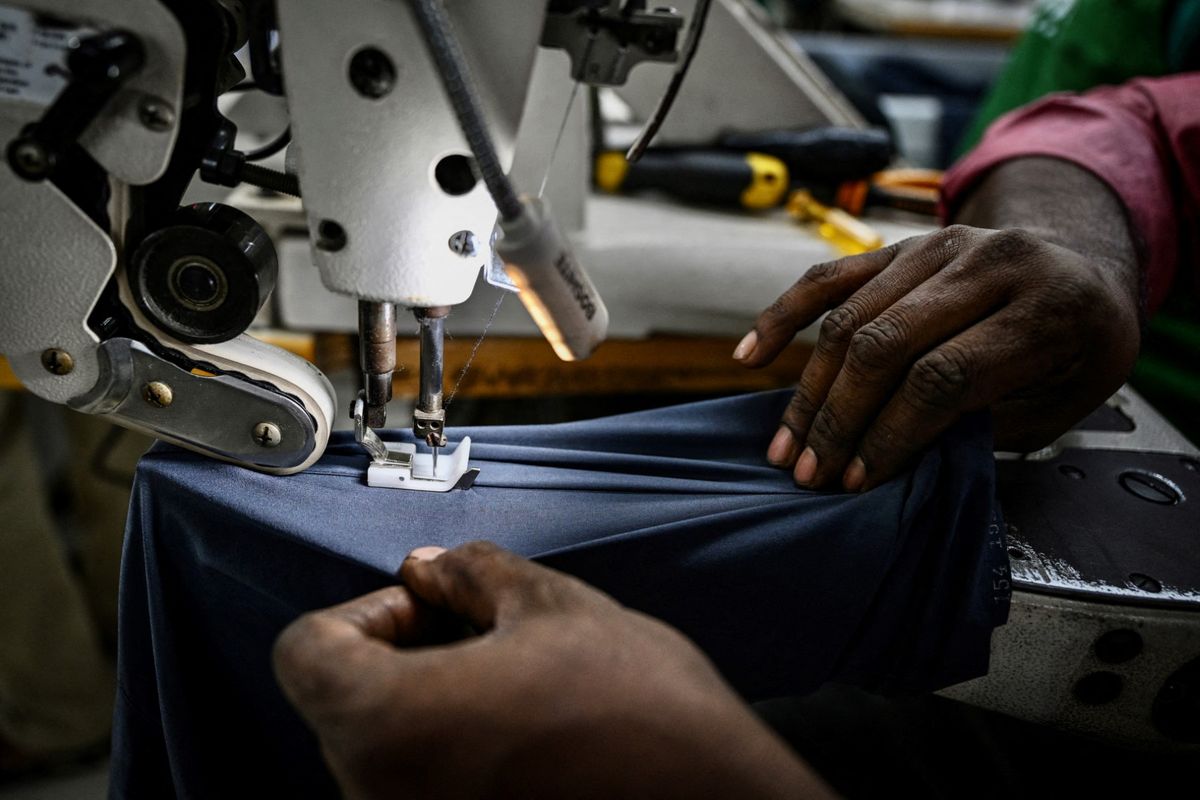
Bangladesh announced on Sunday that it will establish a wage board to review the pay of garment workers. The move follows days of protests that shuttered dozens of factories and sparked clashes with police, placing heavy pressure on the nation’s primary export industry.
Workers in the South Asian country are demanding a minimum monthly wage of 30,000 taka, equivalent to about $245. This figure is more than double the current floor of 12,500 taka. Protesters argue that soaring costs for food, housing, transport, and health care have severely eroded their purchasing power.
The labor dispute threatens an industry that employs roughly 4 million workers. The sector generates over 80 percent of Bangladesh’s export earnings and supplies apparel to numerous leading Western brands. The ready-made garment industry is the largest in the world after China and contributes about 10 percent of the gross domestic product.
Labour and Employment Minister Ariful Haque Chowdhury stated that the government would formally constitute the wage board following consultations with labor leaders and industry representatives. The discussions are intended to defuse ongoing unrest.
Protests on Saturday forced approximately 30 garment factories in Ashulia to declare holidays. Ashulia is a major manufacturing hub located on the outskirts of Dhaka, according to Mohammad Mominul Islam Bhuiyan, superintendent of the Ashulia Industrial Police.
Hundreds of workers blocked a major intersection in the capital. Demonstrations in other industrial zones also disrupted traffic and factory operations.
Clashes between workers and police in Ashulia left several people injured, including police officers. Law enforcement officers used tear gas and sound grenades to disperse the crowds of protesters.
Minister Chowdhury urged workers to return to their jobs. He maintained that the government decision to review the wage structure addresses their primary demand.
He warned that prolonged factory closures and production halts could delay export shipments and payments from international buyers. Such delays would create difficulties for both manufacturers and employees.
Manufacturers reported that the sector already faces mounting operational challenges. These include rising production costs, periodic shortages of gas and electricity, and uncertainty in energy markets linked to tensions in the Middle East.