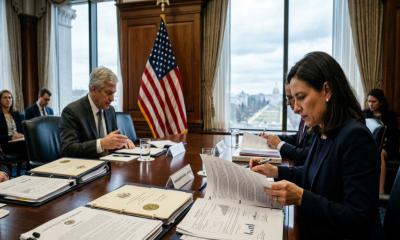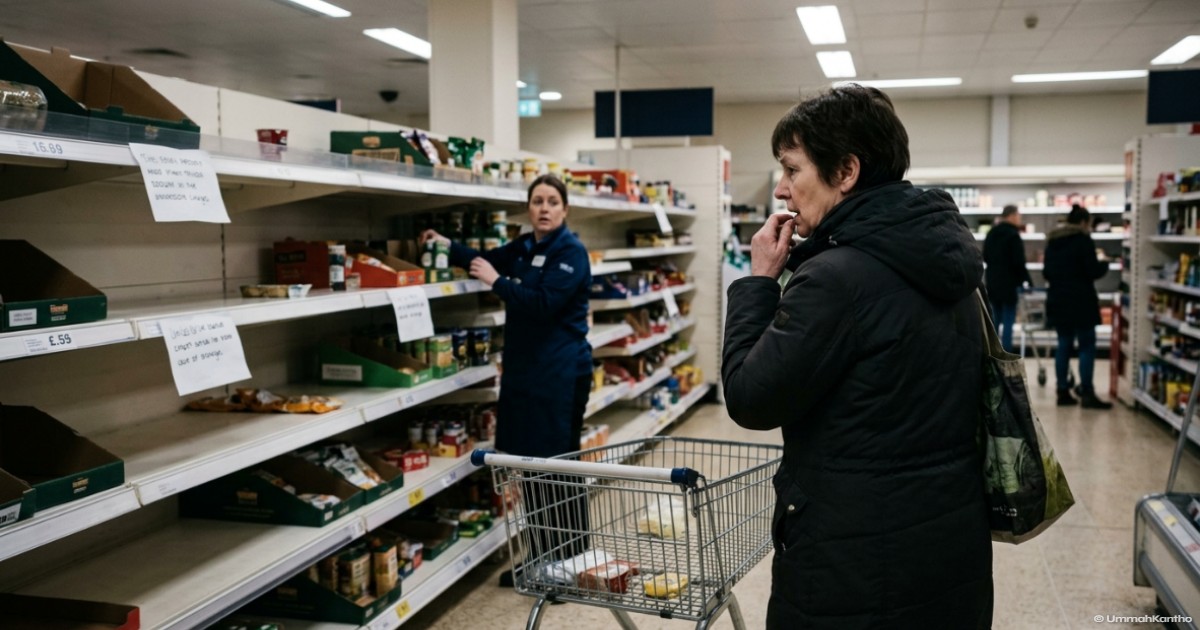
UK Chancellor Rachel Reeves is pressuring supermarkets to cap the prices of essential food items. The push comes as the government attempts to limit inflation driven by the ongoing Iran war. Grocers are being asked to limit charges on staples like bread, eggs, and milk in exchange for a relaxation of certain red tape.
The retail sector has reacted with intense anger.
Industry figures described the move as a desperate attempt to handle the cost of living crisis. One supermarket source claimed Downing Street had completely lost sight of the market as a force for good. The Scottish National Party previously floated a similar idea. That plan legally requires large chains to limit costs on up to 50 items.
Food and drink inflation stood at 3.7 percent in March. The Office for National Statistics provided that figure, but it is expected to rise as the closure of the Strait of Hormuz disrupts the delivery of fertiliser.
Under the Treasury`s plan, supermarkets capping a basket of about 20 items could be exempted from net-zero packaging taxes. Senior Treasury officials have already contacted several grocery executives.
Shadow business secretary Andrew Griffith heavily criticized the idea.
He called the proposal a demonstration of the Chancellor`s economic illiteracy. Griffith argued that the government`s own actions drove up costs for families, and now they are looking for someone else to blame. Talks with retail executives arrive just as the Chancellor prepares to announce new cost of living support.
Reeves previously canceled an initial meeting after several bosses refused to attend. They feared the government was trying to demonize them over profiteering claims before eventually rescheduling to present ways to cut prices.
Helen Dickinson, chief executive of the British Retail Consortium, warned against the move. She said price caps represent a return to the failed policies of the 1970s. Dickinson noted that the UK currently has the most affordable grocery prices in Western Europe due to fierce competition.
The cap risks encouraging supermarkets to source cheaper foreign food.
This would hurt British farmers and potentially undermine national food security. Retail analyst Clive Black noted that supermarket price caps have historically failed, citing the Soviet Union as a prime example of poor choice and awful quality.