UK inflation has unexpectedly fallen to its lowest level in more than a year. The Office for National Statistics reported that the consumer prices index dropped to 2.8 percent in April. This significant decline occurred after the energy regulator Ofgem reduced annual household energy bills by £117. The inflation rate had previously accelerated to 3.3 percent in March following the outbreak of the conflict.
Economists fear this larger-than-expected fall is merely a false dawn.
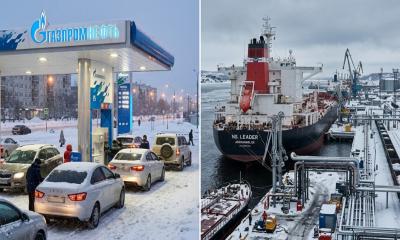
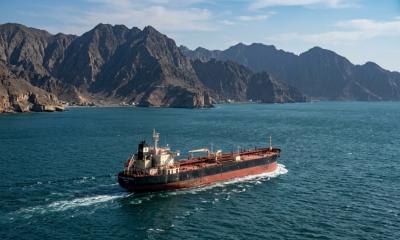
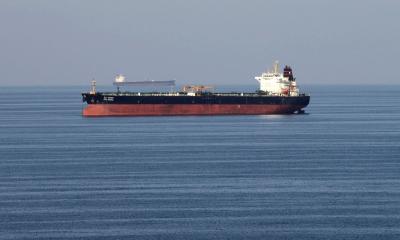
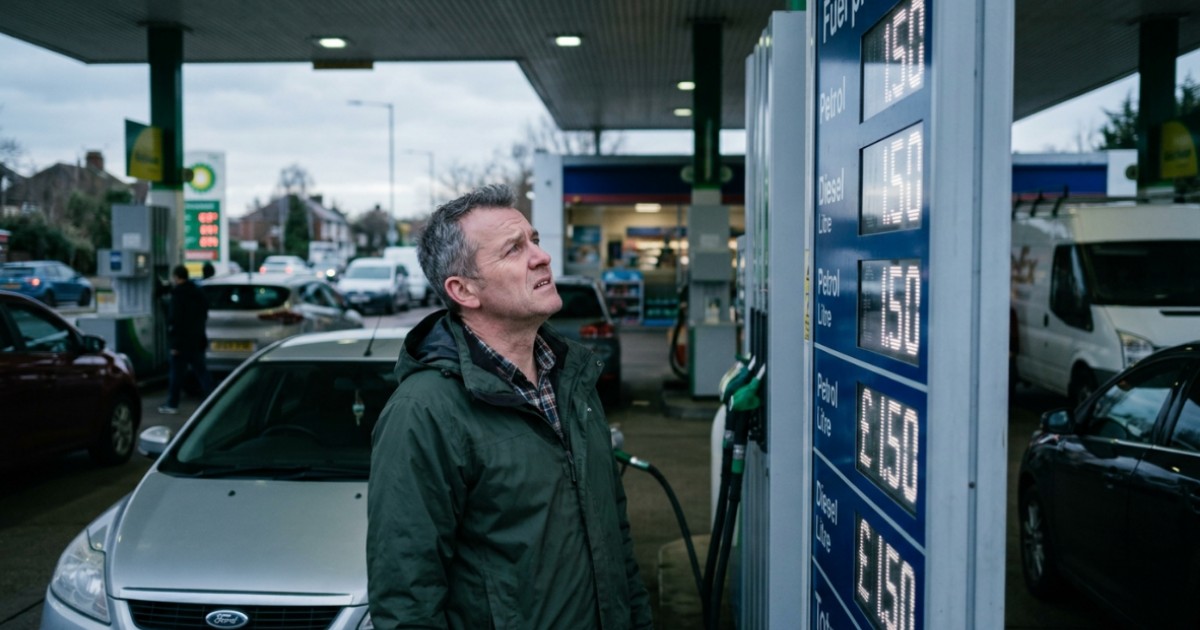
Experts warn that a massive surge in prices is coming later this year due to the Middle East conflict. Petrol prices on Tuesday hit their highest level since the start of the war. Fuel costs have risen by more than 25p a liter since February alone. The global energy market remains severely disrupted since exports passing through the Strait of Hormuz were effectively cut off.
Suren Thiru, chief economist at ICAEW, said April`s sharp slowdown is a last interlude before the war-induced inflation storm finally hits. Chancellor Rachel Reeves actively cut green levies from household bills, which allowed Ofgem to temporarily lower the headline rate. Electricity prices specifically fell by 8.4 percent in April. Reeves defended her strategy, stating that changing economic course now would heavily risk stability and leave working people worse off.
Market Forecasts and Interest Rates
The Bank of England forecast a grim worst-case scenario where inflation could rise above 6 percent if the Strait of Hormuz remains closed. Around a fifth of global oil and gas exports normally pass through that specific maritime chokepoint. Energy consultancy Cornwall Insight expects Ofgem to raise its price cap by 13 percent in July, pushing annual bills from £1,641 to £1,850 despite the warmer summer weather.
Financial markets reacted immediately to the unexpected inflation drop.
The value of the pound slipped heavily as traders bet the Bank of England would not raise interest rates next month. Sterling dropped 0.1 percent against the dollar to $1.338. It remained relatively unchanged against the euro at €1.155. Money markets now indicate that interest rates are widely expected to remain at 3.75 percent following the Monetary Policy Committee`s upcoming June meeting.
Modupe Adegbembo, an economist at Jefferies, noted that the data reinforces the case for the central bank to remain on hold. The cost of government borrowing also plummeted as pressure eased on the Bank of England. The yield on 10-year gilts, a critical benchmark for Treasury borrowing, declined from 5.13 percent to 5.07 percent.
The yield on two-year gilts dropped even more sharply from 4.51 percent to 4.43 percent. James Smith, an economist at Dutch bank ING, stated that markets are heavily overestimating the Bank of England’s willingness to tighten policy. Investors had previously priced in between two and three rate rises by next spring. Smith now expects the bank to deliver somewhere between zero and one hike.
Hidden Price Pressures
Major banks warn that the broader economy is still showing dangerous signs of growing price pressures.
Sanjay Raja, chief UK economist at Deutsche Bank, said higher commodity costs will inevitably push food prices even further up. Scott Gardner, an analyst at JP Morgan, stated the drop shouldn`t mask underlying pressures, noting a severe jump in input prices across manufacturing and services. Rob Wood of Pantheon Macroeconomics argued that much of the downside surprise was driven by highly erratic factors like airfares. He expects inflation will likely average 3.4 percent for the rest of the year.
Overnight index swaps currently put the odds of a rate hike in June at just 15 percent. Traders had previously bet there was a 43 percent chance at the start of last week. Martin Beck, chief economist at WPI Strategy, warned that peak inflation completely depends on diplomatic progress regarding Iran.
He suggested the consumer prices index could peak around 3.5 to 4 percent before falling back if energy supplies normalize. However, Beck admitted that a move above 5 percent would not be surprising if military tensions escalate again. The entire UK economy currently remains a hostage to events unfolding in the Middle East.