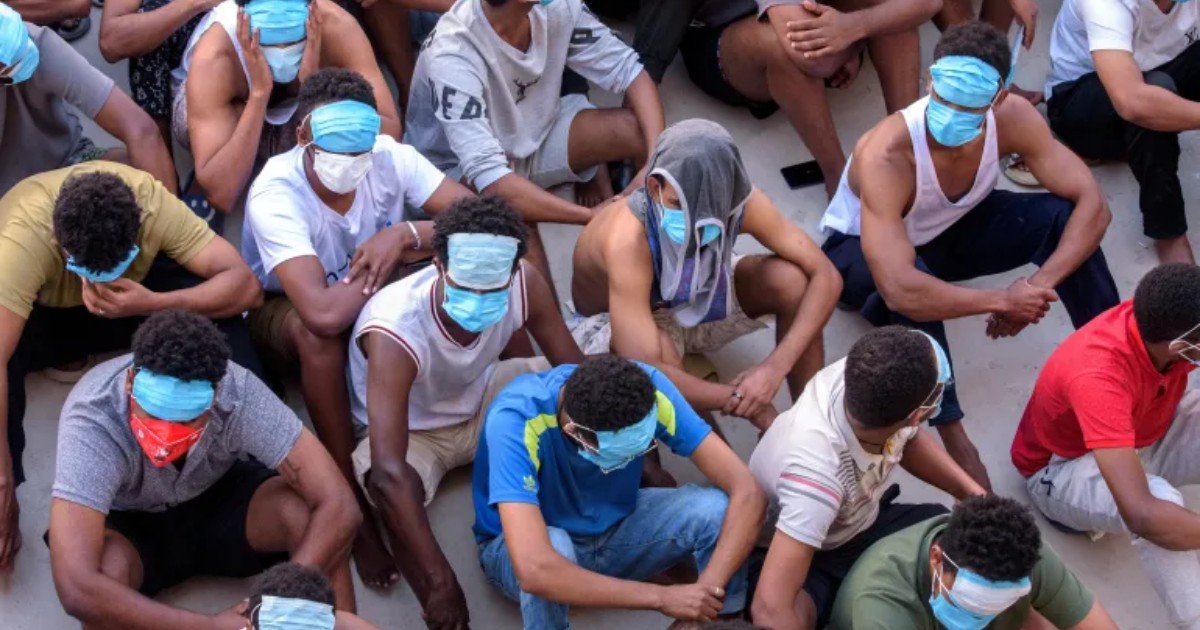
More than 5,300 people remain trapped in online scam centers in Myanmar near the Thai border despite recent regional law enforcement crackdowns, a prominent human rights group confirmed on Tuesday, according to Al Jazeera and Reuters. The Thailand-based Civil Society Network for Human Trafficking Victim Assistance sent an official letter to Thai police authorities urging immediate security interventions to dismantle these transnational criminal hubs. The advocacy group stated that many of the trapped individuals are foreign nationals who are being held against their will across four heavily fortified locations controlled by a local ethnic militia.
The targeted operations are reportedly concentrated in remote border enclaves managed by the Myanmar Democratic Karen Buddhist Army militia force, which provides protection to these illicit syndicates. According to data provided by the human rights network, an estimated 1,600 of the trapped victims are Chinese nationals, alongside approximately 200 citizens from Myanmar itself. The remaining population consists of deeply vulnerable individuals trafficked from various countries worldwide, including the Philippines, Taiwan, Malaysia, Brazil, Russia, Kenya, Uganda, Rwanda, and Zimbabwe.
These criminal syndicates continue to run highly sophisticated online schemes designed to defraud unsuspecting internet users across the globe, causing severe financial harm primarily to citizens in the United States and Europe. The modern proliferation of these illegal compounds across Southeast Asia, particularly inside Myanmar and Cambodia, experienced exponential growth during the global COVID-19 pandemic. While these illicit facilities were initially tied to poorly regulated local casinos and underground online gambling operations, they have rapidly evolved into a multibillion-dollar international industry, according to official data published by the United Nations.
A comprehensive United Nations human rights report published in February revealed that these remote processing facilities are almost entirely staffed by foreign nationals who have been lured by fake job advertisements and subsequently trafficked by armed criminal gangs. The investigative findings detailed a horrific litany of institutional abuse within the camps, including documented instances of severe physical torture, cruel treatment, widespread sexual exploitation, forced abortions, food deprivation, and prolonged solitary confinement. UN High Commissioner for Human Rights Volker Turk described the extensive abuses as both staggering and deeply heartbreaking for the international community.
The top United Nations official expressed profound regret that instead of receiving necessary state protection, medical care, and structured paths to legal justice, these traumatized victims too often face deep institutional disbelief, societal stigmatization, and severe criminal punishment from local authorities. What remains unclear is whether the regional governments of Thailand and Myanmar will launch a synchronized military operation to successfully liberate the remaining victims and hold the syndicate leaders accountable under international law. As cyber fraud networks continue to expand globally, international law enforcement agencies face immense challenges in tracking the flow of illicit billions generated by these heavily armed compounds.