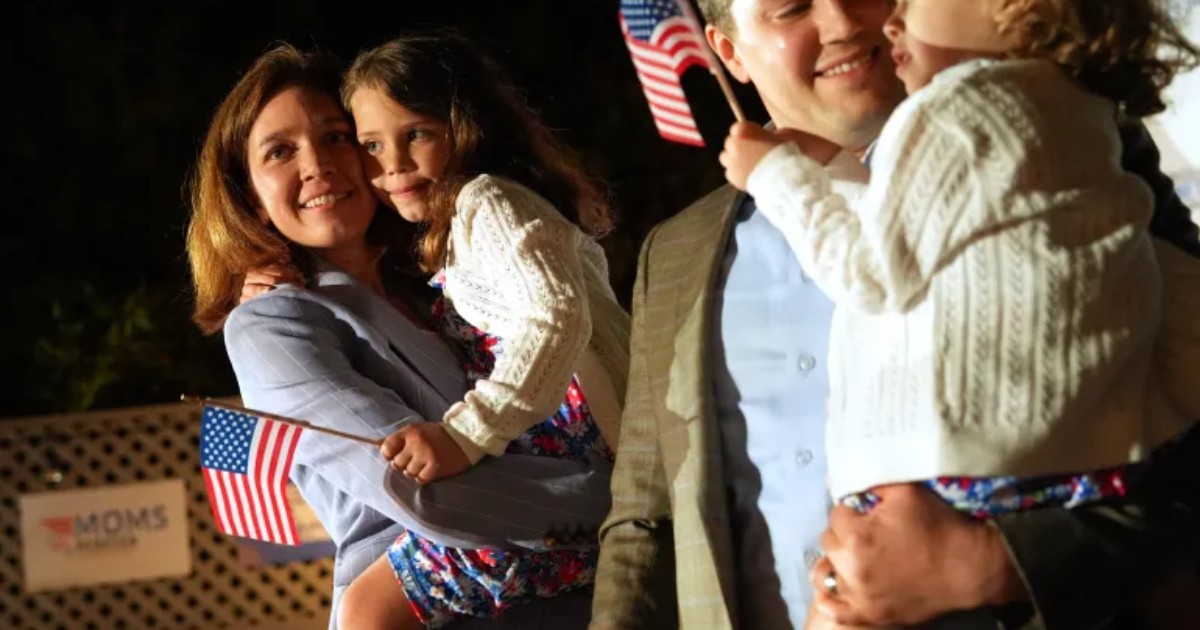
Political campaign groups linked to the U.S. Republican Party are funding Democratic candidates in ongoing primary elections ahead of the November midterms, Al Jazeera and the Associated Press reported on Tuesday. The strategic funding aims to boost weaker Democratic contenders whom Republicans believe will be easier to defeat in the upcoming general elections. U.S. media outlets have highlighted verified reports of this tactical spending occurring in several states, including New Jersey, Maine, Texas, Pennsylvania, and Nebraska. This covert political strategy has renewed intense debates over campaign ethics and transparency across the American political landscape.
The upcoming US midterm elections are widely viewed as a critical litmus test of the current U.S. administration`s popularity and will ultimately determine control of Congress. Securing legislative control is vital for the success of U.S. President Donald Trump`s policy agenda during his final two years in office. Democrats currently hold a minority status in both the House of Representatives and the Senate, prompting an aggressive push to flip both chambers this November. The infiltration of opposition funding into Democratic primaries has consequently triggered severe anxiety and anger among party strategists.
Campaign financing of this nature is managed through independent organizations known as Political Action Committees, which raise funds to lobby for or against specific political entities. While traditional committees established since 1944 face strict regulatory caps on direct candidate donations, a landmark 2010 Supreme Court ruling fundamentally transformed the system. The judicial decision authorized the creation of super PACs, enabling special-interest groups to raise and spend unlimited amounts of dark money to influence voters. These organizations are legally mandated to file financial disclosures with the Federal Election Commission, though deadlines often fall well after the voting has concluded.
The massive influx of dark money extends beyond domestic party rivalries, heavily influencing foreign policy debates within Washington. The American Israel Public Affairs Committee represents a prominent example, utilizing its affiliated super PAC, the United Democracy Project, to heavily lobby for military and diplomatic backing for Israel. New York City Mayor Zohran Mamdani recently condemned the organization, accusing it of deploying dark money to maintain an unjust status quo regarding the ongoing conflict in Gaza. He emphasized the necessity of publicly naming interest groups that enable widespread death and destruction overseas through secretive financial interventions.
Many political analysts argue that these highly calculated maneuvers distort the democratic process by manipulating the choices available to general voters. What remains unclear is whether this multi-million dollar influx of dark money will successfully safeguard the Republican congressional majority or backfire in favor of the Democrats this November. Both major American political factions have historically experimented with similar interference tactics, though the scale of the current operation appears unprecedented. If unchecked, this escalating reliance on hidden campaign financing threatens to permanently erode public trust in the integrity of the American electoral system.