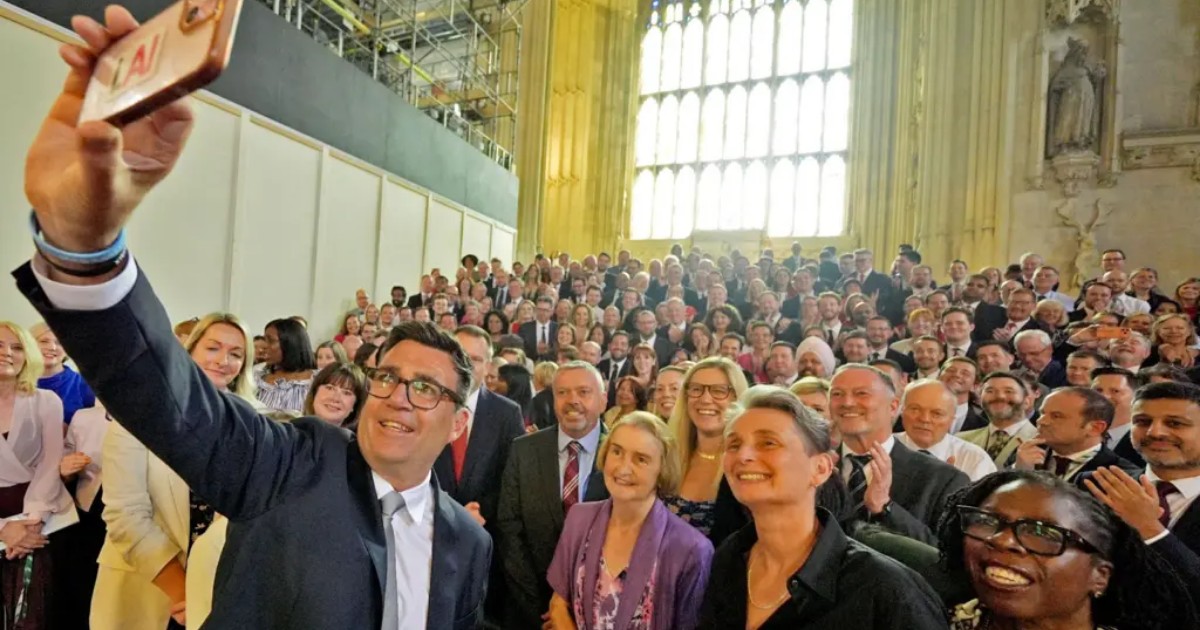
Andy Burnham, the newly elected Member of Parliament for Makerfield, has emerged as the frontrunner to replace Keir Starmer as the leader of the Labour Party, BBC News reported on Tuesday. While Burnham currently leads the race to enter Number 10 Downing Street, intense debates are underway among Labour lawmakers regarding whether a formal leadership contest is necessary. The development follows major shifts within the ruling party as it prepares for a transition of power.
According to official schedules, nominations for the Labour Party leadership are set to open on July 9 and will officially close on July 16. Editorial reports indicate that if no challenger steps forward within this timeframe, Burnham could be positioned to become the next Prime Minister of the United Kingdom by July 17. However, the path to leadership may not remain entirely clear as other prominent figures within the party contemplate their own bids.
Senior cabinet minister Darren Jones and former defense minister Al Carns, who resigned from his post a few weeks ago, are both actively considering launching a leadership challenge. Lord Philip Hunt, who previously served alongside Burnham in the cabinets of Tony Blair and Gordon Brown, shared his perspectives during an interview with BBC Radio Ulster. Hunt described Burnham as a highly personable and bright colleague who excels as a communicator, adding that the entire party wishes him success.
Despite his endorsement of Burnham, Lord Hunt acknowledged that stepping into the highest office of the government brings immense pressure and that the next leader will face a very tough challenge. Hunt also praised the other potential candidates, noting that Darren Jones is a highly credible candidate and expressing his belief that Al Carns would make an exceptional choice for the leadership role. The internal discussions highlight a growing division over whether an uncontested transition or a competitive race would better serve the party`s future.
What remains unclear is how this internal leadership struggle will impact the broader legislative agenda and economic policies of the United Kingdom. International observers are closely monitoring the situation as Britain prepares for a swift transition during a period of geopolitical uncertainty. Political analysts suggest that the final outcome by mid-July will be crucial for establishing political certainty and maintaining investor confidence in the country.