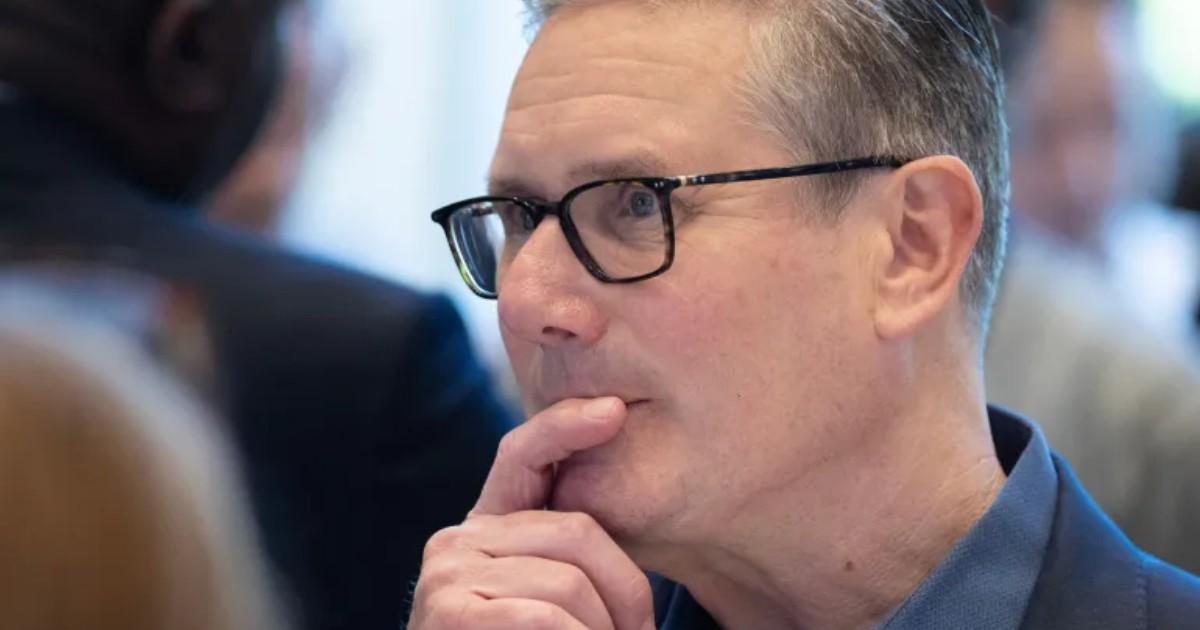
British Prime Minister Keir Starmer is weighing whether to resign within days amid intense political turmoil, The Guardian and Al Jazeera confirmed on Sunday. Following a decisive by-election victory by his chief internal rival Andy Burnham in the Makerfield constituency, the governing Labour Party has experienced an immediate surge in calls for a leadership transition. The former Greater Manchester mayor secured a commanding win on Thursday, prompting cabinet ministers and backbenchers to demand a swift change at the top. The growing discontent has intensified Keir Starmer resignation pressure, forcing the premier to consider setting a definitive timetable for his departure from Downing Street.
Burnham won almost 55 percent of the 45,510 votes cast in the high-stakes election, achieving a majority of 9,231 over the runner-up from the Reform UK party. Scheduled to be sworn in as a member of the House of Commons on Monday, Burnham is expected to immediately present Starmer with a list of backers from within the parliamentary group. Allies of the incoming lawmaker indicate that around 200 Labour lawmakers—nearly half of the entire parliamentary party—already support his bid to become the next leader. This unprecedented shift in internal alignment has left the prime minister increasingly isolated, amplifying the Keir Starmer resignation pressure to an unsustainable level.
Faced with this open rebellion, Starmer is currently spending the weekend at Chequers with his family and close advisers to evaluate his dwindling options. Although the prime minister remained defiant on Friday, asserting that he had a mandate from the 2024 general election and would contest any official leadership challenge, senior colleagues believe his position is no longer tenable. Business Secretary Peter Kyle stated on a BBC program that the prime minister is taking time to reflect on the current political realities. Concurrently, senior party figures like Lord Charlie Falconer have publicly announced that Starmer now possesses absolutely no political authority to govern effectively.
The internal party revolt against Starmer has been brewing for months, driven by an extraordinary decline in his public popularity and several policy missteps. Since leading Labour to a landslide victory two years ago, the administration has struggled to deliver on promises of economic growth, tattered public service restoration, and cost of living relief. To make matters worse, the premier faced severe criticism in February when leaked documents revealed that Peter Mandelson, whom Starmer appointed as the United Kingdom ambassador to the United States, was closely linked to the Jeffrey Epstein scandal. These controversies, combined with unpopular reductions in winter fuel payments for the elderly, decimated Starmer`s standing among core voters.
Several key cabinet members, including Foreign Secretary Yvette Cooper and Transport Secretary Heidi Alexander, have reportedly urged the prime minister to step down gracefully to avoid total chaos. Under Labour Party regulations, a leadership challenge requires the formal backing of at least 20 percent of its members of Parliament, a threshold Burnham easily surpasses. Former Health Secretary Wes Streeting has expressed his intention to enter any potential leadership contest, though commentators expect a straightforward coronation for Burnham due to his immense grassroots popularity. What remains unclear is whether cabinet members will orchestrate a coordinated mass resignation during Tuesday`s scheduled meeting if Starmer refuses to announce his exit on Monday.
If the prime minister decides to step down this week, the United Kingdom will embark on selecting its seventh prime minister within a decade, illustrating a period of historic political churn. The unfolding crisis demonstrates the extreme volatility of modern British governance, where a historic parliamentary majority of 174 seats won just two years ago cannot shield a leader from rapid internal collapse. As the country braces for an imminent transition of power, the political landscape of Britain stands on the precipice of a profound transformation that will reshape both the governing party and the nation`s future direction.