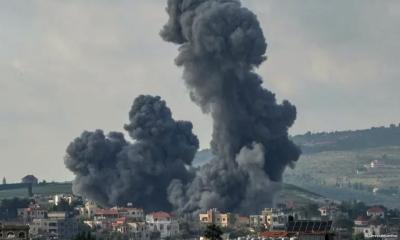
A newly signed memorandum of understanding between the United States and Iran faces a severe threat after continued Israeli military operations in Lebanon disrupted the peace process, Al Jazeera reported from Beirut on Sunday. The bilateral agreement signed on Wednesday stipulated an immediate and permanent termination of military operations on all fronts, including Lebanon. However, Israeli air and ground strikes did not cease in the days following the signing, instead escalating across various regions. This persistent bombardment has pushed the death toll from the Israeli offensive, which began on March 2, past 4,000 casualties. In response to the ongoing aggression, Iran postponed critical diplomatic talks with American officials that had been scheduled to take place in Switzerland on Friday.
The interim diplomatic framework established between Washington and Tehran was designed to lay the groundwork for a comprehensive, long-term ceasefire in the Middle East. The official text explicitly stated that the final deal would confirm the permanent termination of the war on all fronts, guaranteeing that regional proxies and state actors would cease hostilities. Despite these formal commitments, the ground reality presents a starkly different scenario that challenges the efficacy of international diplomacy. Israel has chosen to completely disregard the terms of the memorandum, continuing its extensive bombing campaign in Lebanon. This continuous defiance places the United States in an awkward position, given that Washington had reassured Tehran of a general de-escalation of military activities.
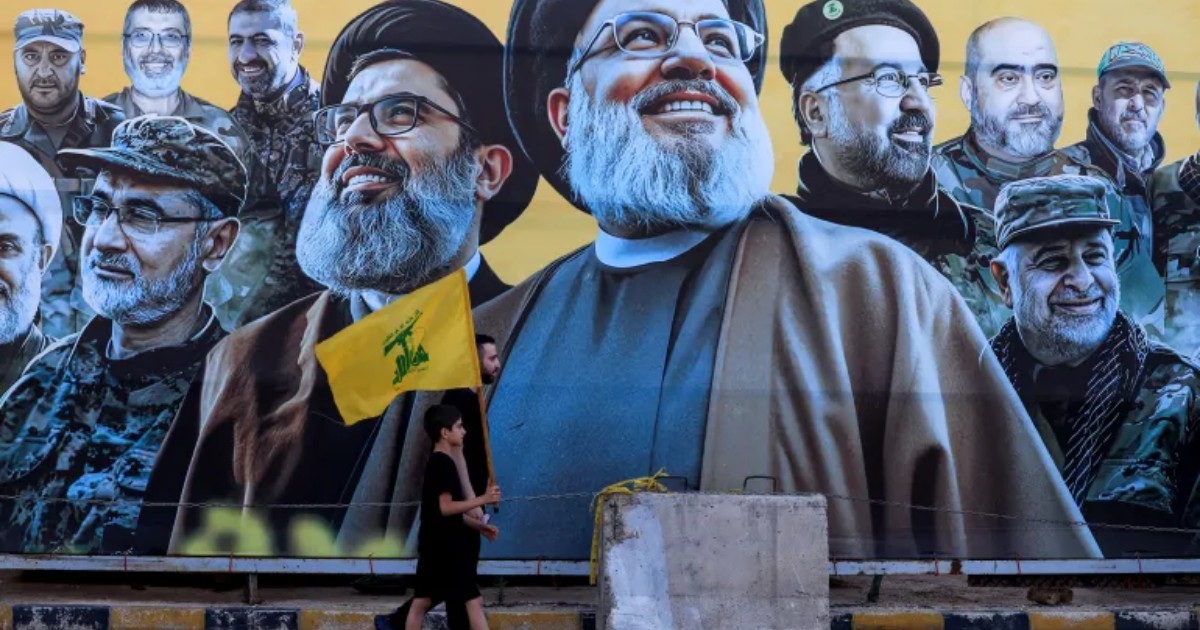
Within Lebanon, the escalating crisis has highlighted deep strategic divisions among local political forces regarding the best method to handle the border conflict. Both the armed group Hezbollah and the official Lebanese government have issued formal demands for a complete and immediate withdrawal of Israeli troops from sovereign Lebanese territory. Their paths to achieving this goal, however, diverge significantly on a tactical level. Hezbollah strongly maintains that Lebanon`s security and territorial integrity must be linked directly to the broader ongoing negotiations between Iran and Western powers. The group argues that international pressure via Tehran remains the only viable mechanism to compel Israel to retreat. Conversely, the central administration in Beirut prefers direct bilateral negotiations with Israel to establish permanent border agreements without relying on regional intermediaries.
Michael Young, a prominent Middle East analyst at the Carnegie Middle East Center, offered a critical perspective on how Lebanon influences the broader diplomatic trajectory. He explained that Lebanon is situated at the absolute baseline of the agreement because Iranian officials want to establish that Lebanese sovereignty is vital to the ultimate success of the memorandum. Tehran cannot afford to finalize a long-term agreement with Washington without securing the political and physical safety of its closest regional allies. Consequently, if the military confrontation on Lebanese soil is allowed to persist, the entire framework of the Iran-US deal risks complete collapse, reverting the region to a state of unrestricted confrontation.
What remains unclear is whether the United States possesses the necessary political determination or diplomatic leverage to force its closest regional ally, Israel, to halt its military campaign. Washington finds itself pursuing a sensitive diplomatic opening with Iran while simultaneously providing billions of dollars in military hardware and diplomatic coverage to Tel Aviv. This contradictory foreign policy has generated profound skepticism across the Middle East, threatening to undermine the credibility of any negotiated settlement. If the American administration fails to restrain Israeli actions immediately, Iran may permanently walk away from the negotiating table, prompting an uncontrolled escalation that could draw multiple nations into a catastrophic war.
The ongoing military operations have also inflamed domestic political debates within both the United States and Iran, further complicating the path toward peace. In Washington, lawmakers from across the political spectrum argue that formalizing any agreement with Tehran compromises long-term security guarantees for Israel and signals American weakness. This internal friction prevents the White House from taking a decisive stance against unilateral military actions undertaken by Tel Aviv. On the other hand, the political leadership in Tehran faces substantial internal pressure from conservative factions to resist making concessions while Western-backed forces continue to strike regional partners. This complex interplay of domestic political survivability has effectively transformed Lebanon into a geopolitical battleground.
For the civilian population of Lebanon, the combination of political gridlock and constant bombardment has created an unprecedented humanitarian catastrophe. From the southern border villages to the densely populated suburbs of Beirut, hundreds of thousands of families have been forcibly displaced from their homes. Local medical facilities face debilitating shortages of essential trauma care equipment and pharmaceutical supplies, leading to a rising daily casualty count. Despite the scale of human suffering, international bodies like the United Nations have largely confined their actions to expressions of diplomatic concern. The immediate future of Lebanon now depends on confidential negotiations between Washington and Tehran, alongside military choices made in Tel Aviv.