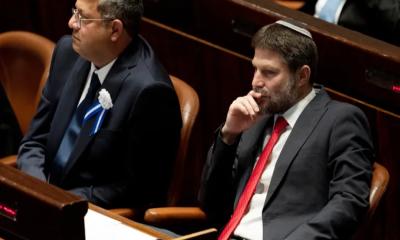
Bolivia`s Legislative Assembly overwhelmingly approved a state of emergency decree on Sunday, leading to the clearing of all active anti-government road blockades across the nation, according to Al Jazeera and Reuters. President Rodrigo Paz had declared the 90-day state of emergency on Saturday in a decisive bid to resolve a grueling 50-day social and economic crisis that had brought the South American nation to a complete standstill. Approved during a predawn legislative session, the decree explicitly prohibits the obstruction of streets, avenues, and major highways in ways that disrupt public transportation and essential commercial supply lines. The emergency order officially authorizes the armed forces to work closely with national police units to dismantle barricades, restore domestic order, and protect the civilian population from ongoing disruptions. Government officials emphasized that the measure was not designed to restrict the daily lives of citizens, but rather to return freedom of movement and stabilize the flow of basic goods.
For more than six weeks, labor unions, indigenous organizations, and supporters of former leftist President Evo Morales blockaded 67 major highways with rubble, logs, and debris. The widespread demonstrations effectively isolated the administrative capital of La Paz and the neighboring city of El Alto, triggering acute shortages of fuel, food, and vital medical supplies. With domestic trade severely restricted, the national economy suffered billions of dollars in losses, shutting down local businesses and emptying supermarket shelves. According to the country`s ombudsman and human rights organizations, at least 17 people have died during the prolonged unrest, with many fatalities directly linked to a lack of medical care caused by the transportation collapse, while authorities have arrested more than 365 individuals and reported dozens of injuries.
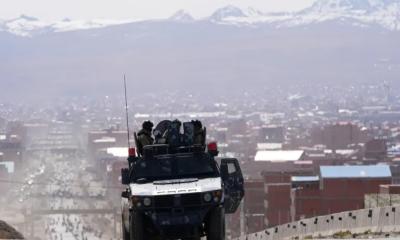
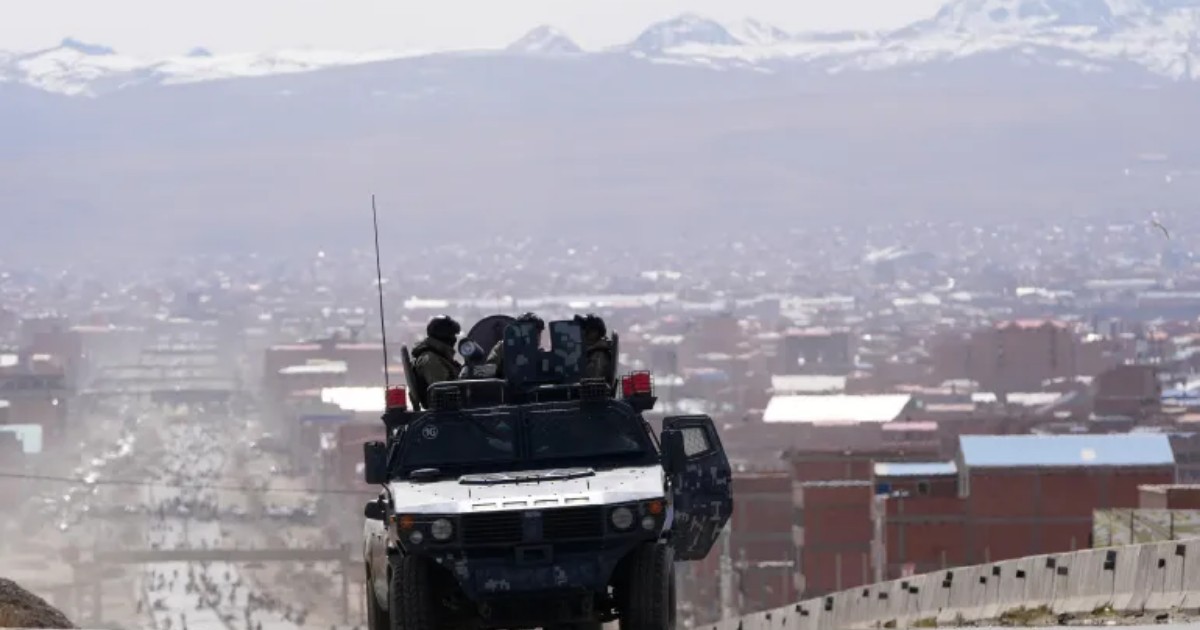
Shortly after the legislative approval, security forces deployed convoys of armored vehicles and heavy tractors to clear the remaining protest sites. The national highway authority confirmed on Sunday that there were no active blockades remaining on major transit routes, although extensive cleanup and infrastructure repairs are still required across several provinces. The sudden return of calm across the country coincided with the traditional Andean-Amazonian New Year celebrations, during which government ministers and indigenous representatives participated in public ceremonies calling for national reconciliation and unity. A significant breakthrough was also achieved in the Santa Cruz region, where local officials and protest leaders signed a formal agreement to permanently lift a critical blockade in the town of San Julian.
The widespread protests originally flared up in May 2026 after the newly inaugurated conservative administration of President Paz eliminated long-term national fuel subsidies to curb a ballooning budget deficit. This policy pivot occurred against the backdrop of a worsening foreign currency crisis, severe shortages of US dollars, and a sharp decline in natural gas exports, which pushed inflation to its highest level in four decades. Although the government attempted to stabilize gasoline prices and reversed controversial land mortgage laws, the labor federations continued to demand substantial wage increases and the immediate resignation of the president. The workers` unions expressed deep distrust of the administration`s neoliberal trajectory, refusing to dismantle their encampments until systematic economic changes were guaranteed.
What remains unclear is whether this temporary suspension of demonstrations will translate into long-term stability or if the underlying economic grievances will trigger another wave of violent confrontations. The Paz administration represents Bolivia`s first non-socialist government in two decades, creating a deeply polarized political landscape where opposition lawmakers warn that emergency measures may deepen civil unrest if they lack broad public support. As the Ministry of Defense continues to evaluate extraordinary measures and potential curfews for sensitive regions, the country remains in a delicate state of transition, balancing institutional credibility against popular demands.