Shahida Fakir always assumed her vote was secure. Born into a poor Muslim family in West Bengal, she presented election officials with her Indian birth certificate and family land records dating back to 1962. She also provided proof that both of her parents had appeared on electoral rolls for decades. Yet when the final revised voter list was published in April, her name was missing.
Fakir was far from alone. Since last year, 130 million names have been removed from India’s electoral roll through a procedure known as the special intensive revision, or SIR. In the nearly eight decades since national independence, voter rolls have never shrunk by such a massive margin over such a short period.
The government led by Prime Minister Narendra Modi defended the SIR as a legitimate undertaking to cleanse the rolls by removing dead and duplicate entries. The process has also stripped millions of living citizens of their voting rights. Critics argue that the stated goal of eliminating undocumented immigrants has masked an effort to disenfranchise Muslims, other minorities, and lower-caste communities who typically do not support the governing Bharatiya Janata Party.
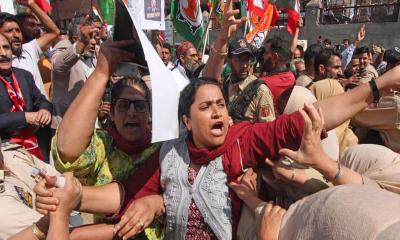
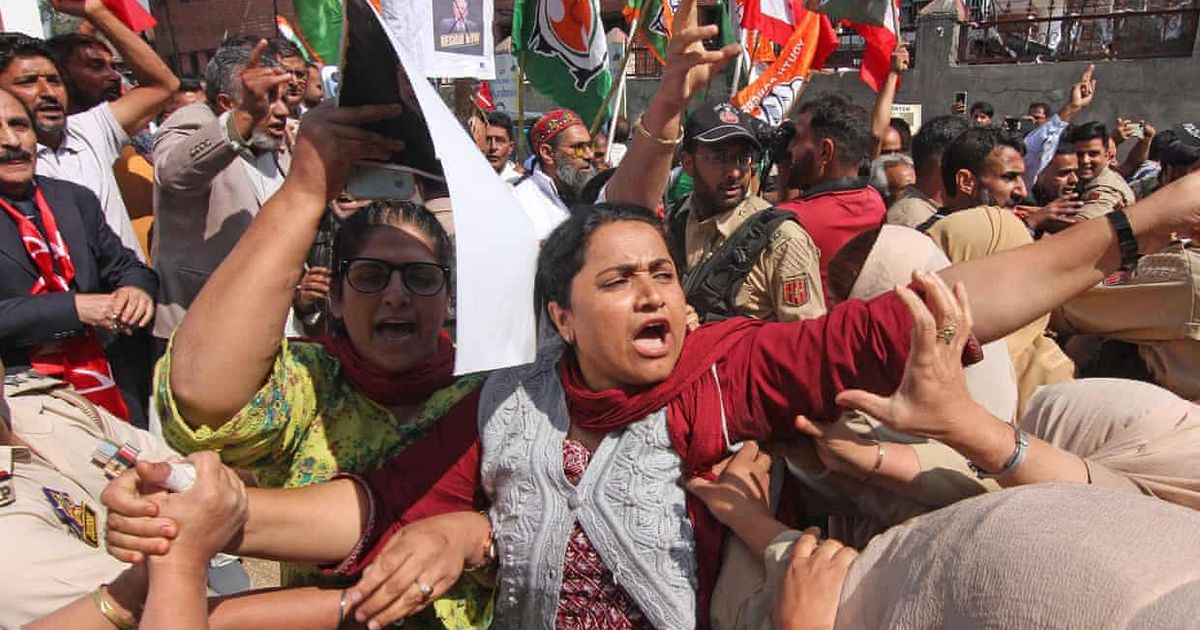
Nationwide anger boiled over into street protests in major urban centres. In New Delhi, security forces deployed barricades and thousands of personnel to block youth-led demonstrations demanding the immediate resignation of Chief Election Commissioner Gyanesh Kumar, who oversaw the controversial revision. Police detained thousands of demonstrators during the weekend actions.
On Monday, opposition parties staged large marches through the capital and submitted a petition to the Supreme Court denouncing the revision as a weapon for vote theft. Opposition figures and civil society leaders claimed the process already handed the BJP electoral advantages in states such as Bihar and West Bengal, allegations denied by the party. Critics argue that changes implemented by Kumar have allowed the election commission to act as an arbiter of citizenship, exceeding its traditional constitutional remit.
The fallout has been particularly severe in West Bengal, where the BJP recently took power and launched a crackdown on undocumented immigrants. Civil society organisations report that excluded Muslims are being specifically targeted. Three months after her name vanished from the voter list and while her appeal was still pending, Fakir was detained by police and accused of being an illegal immigrant from Bangladesh.
In July, authorities pushed her across the border into Bangladesh, a country she had never visited and where she has no family ties. She is currently sheltering in a border village. Speaking by phone, Fakir said she begged police to spare her deportation while showing all her citizenship documents. A Bangladesh border guard officer confirmed her identity, stating they checked her paperwork and are convinced she is an Indian citizen. Her family filed a Supreme Court petition in September challenging the deportation, giving the Indian government one month to respond.
Other citizens removed from the rolls described living in constant fear of being treated as foreigners in their own country. Mohammad Hedayet Ullah Siddiqui, an 80-year-old resident of West Bengal whose grandfather fought for Indian independence, discovered his name had been deleted despite three generations of his family appearing on past rolls. He voiced deep anxiety over the prospect of being sent to a detention camp and separated from his relatives.
The controversy traces back to 2023, when the Modi administration altered the appointment process for the three-member election commission to grant the executive branch majority control. Ronojoy Sen, a senior fellow at the National University of Singapore, stated that the election commission was once a credible and independent body but its standing has now eroded. By the following year, the reconstituted commission initiated the SIR in Bihar, where more than six million names were removed before the BJP secured a landslide victory in state elections.