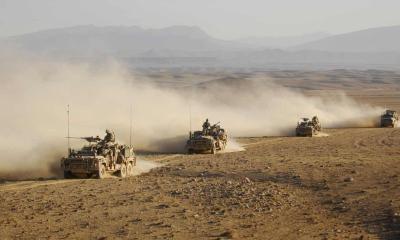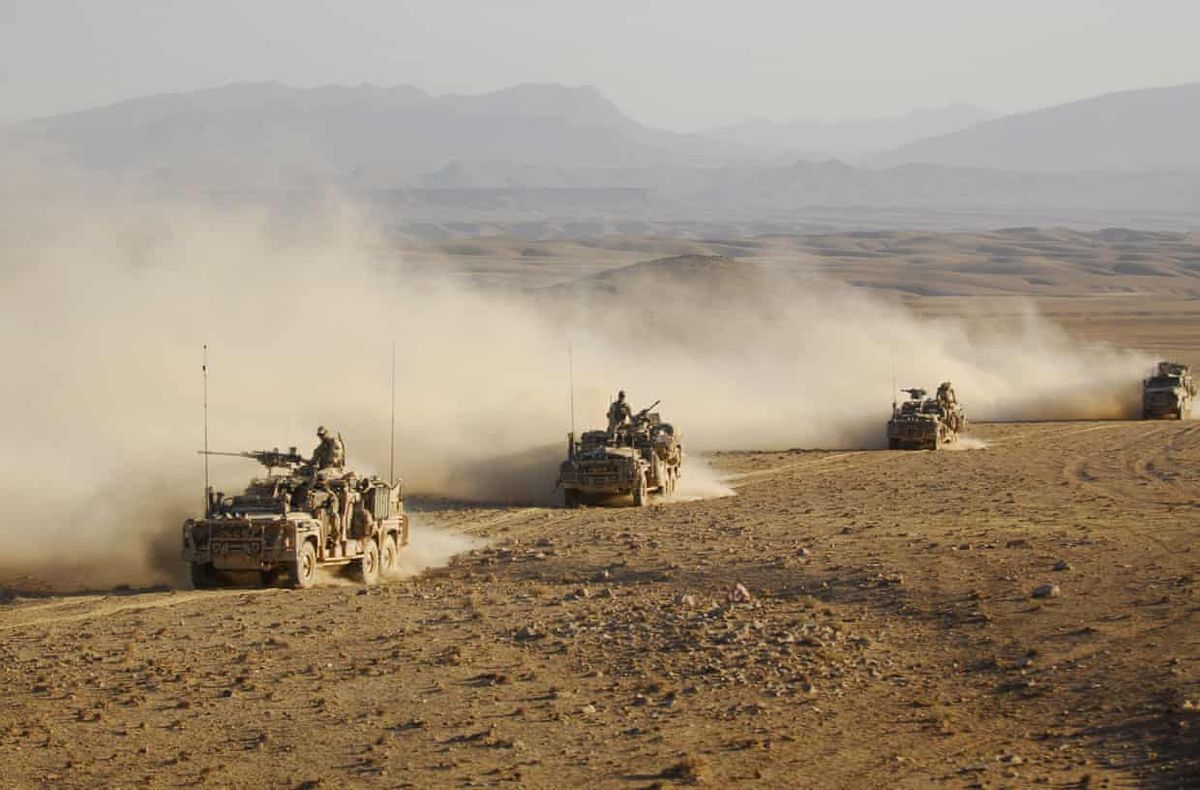
Some Australian Special Air Service officers knew soldiers under their command were using throwdowns to plant weapons on dead Afghan civilians to portray them as combatants, but did nothing to stop the practice. This has come to light in a previously unpublished military report.
Published online this week, the executive summary of a 2021 investigation by the inspector general of the Australian Defence Force laid bare a severe breakdown of command and eroding military discipline during operations in Afghanistan. The inquiry found that leadership failures resulted in episodes of potential and actual egregious behaviour.
Defence authorities had previously refused to release the document despite freedom of information requests and attempts to force its disclosure in the Senate. A separate inquiry known as the Brereton Inquiry, made public in 2020, previously found credible information that Australian special forces personnel murdered 39 Afghan civilians and prisoners. However, that earlier report largely exonerated commissioned officers, stating the criminal behaviour was conceived and concealed at the patrol commander level by corporals and sergeants.
The newly released report, commissioned by former defence force chief and SAS officer Angus Campbell in 2021, revealed that some officers did indeed possess actual knowledge of unlawful conduct. Officers with actual knowledge of misconduct in theatre, including the use of throwdowns to effect fraudulent reporting, or rumours of misconduct, did not take effective action to investigate and address these issues, the report stated.
Investigators noted that the proper functioning of the defence force as a hierarchical system relies on enforcing rules at all levels. A failure to do so has a corrosive effect on behaviours, morale and military discipline. The document pointed to an uncontrolled warrior ethos and the grinding nature of the conflict, which saw a small cohort of soldiers repeatedly sent on dangerous deployments, contributing to moral injury and impaired decision-making.
The insular and secretive nature of the SAS also worsened standards, alongside an inversion of the chain of command where senior non-commissioned officers dominated officers who were nominally their superiors. This dynamic resulted in junior officers being effectively subservient to non-commissioned officers, occupying a position described as learned helplessness, according to the findings.
The report also cited persistent alcohol consumption by SAS soldiers while deployed in Afghanistan, in defiance of orders given to others, which sent a strong signal that the rules did not apply to them. Soldiers wrote false battlefield reports laden with circumlocution and variations of standard phrases to justify engagements under rules of engagement, assisting perpetrators in concealing their actions.
Chief of the Australian Defence Force Admiral Mark Hammond was questioned about the report during Senate estimates. He agreed with the findings and stated there had been serious failures within the SAS and its command structure. The behaviour is absolutely not in concert with our values, our professional standards, the behaviour that we expect of our personnel, Hammond told lawmakers, describing the conduct as completely unacceptable.
Greens Senator David Shoebridge argued that a lack of accountability remained for SAS leadership. He pointed to an accountability gap between junior personnel facing severe consequences and leaders who were either aware of misconduct or possessed data that should have triggered action. Outside parliament, opposition frontbencher and former SAS captain Andrew Hastie said the findings strongly resonated with his own experience in the regiment.