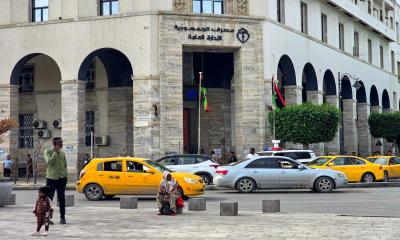
Libya’s eastern-based administration has banned citizens of Iran and Afghanistan from entering the territory. The restriction applies to sea, land and air ports across the regions controlled by the eastern government.
Officials released the directive late on Wednesday through a formal statement published on their verified Facebook page. The announcement gave no specific reason for the new travel ban.
The Ministry of Interior must enforce the measures. It will also handle the deportation of any Iranian and Afghan nationals currently living in the territory without valid residency permits.
The policy expands on earlier border restrictions implemented by the eastern administration in June. At that time, authorities barred citizens from four African nations, citing a need to reorganise the entry of foreign nationals.
Exemptions apply to accredited diplomatic and consular personnel and their family members. Foreign workers in the medical and educational sectors are also excluded if they hold official work authorisations.
Libya is divided between rival administrations in the east and the west, a political split that began in 2014. The Benghazi-based government of Osama Hamad operates in alliance with military commander Khalifa Haftar, who controls the east and vast parts of southern Libya.
The internationally recognised government of Prime Minister Abdulhamid Dbeibah is stationed in Tripoli. Dbeibah assumed power through a United Nations-backed transition process in 2021.
The North African nation works as a major transit corridor for migrants escaping poverty and armed conflict to reach Europe via the Mediterranean. This trend intensified after the 2011 NATO-backed uprising that led to the fall of dictator Muammar Qaddafi.
United Nations data gathered in June shows that Libya currently hosts more than 900,000 migrants.