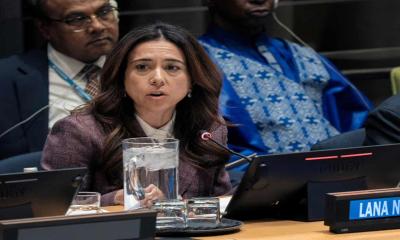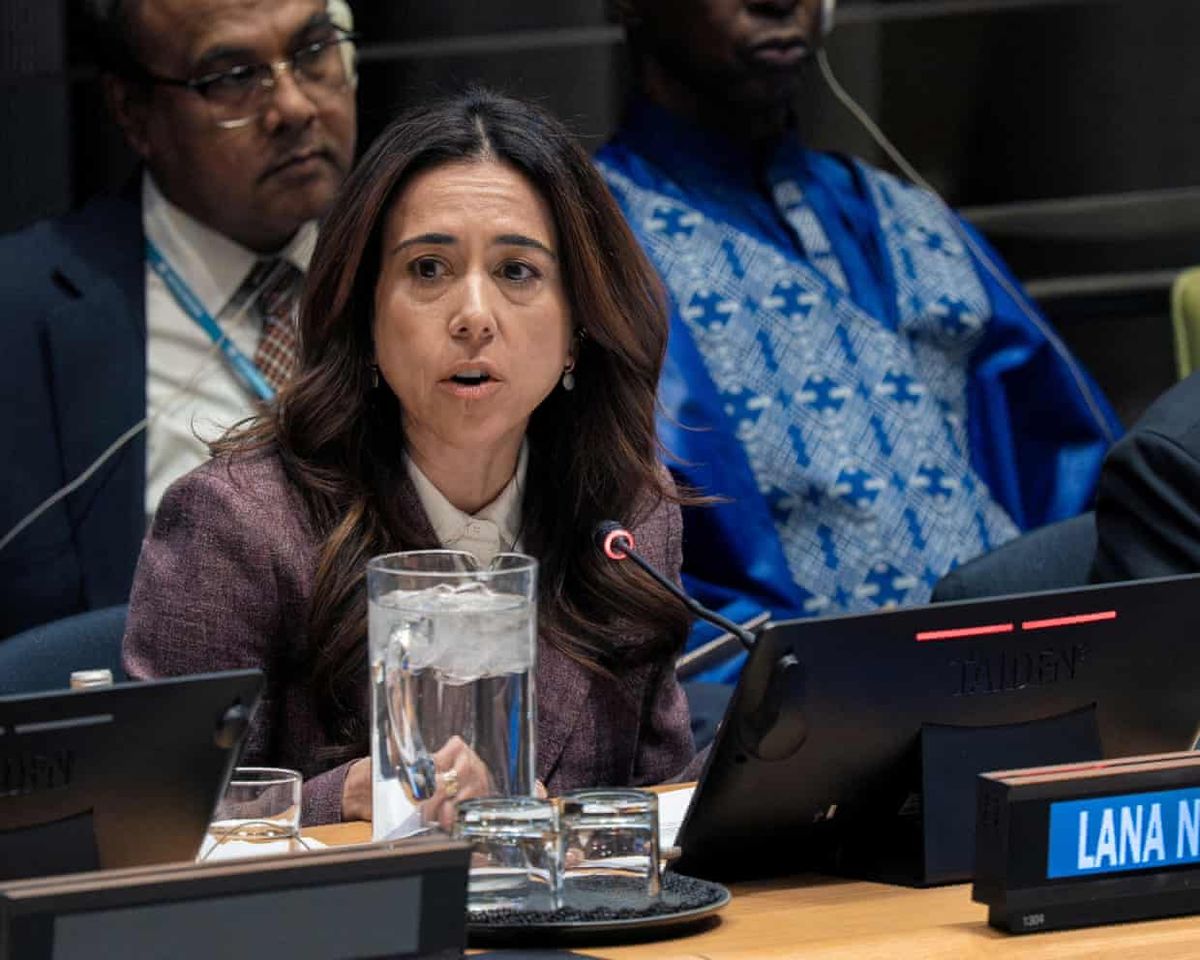
Members of the Sudanese diaspora and international human rights monitors have denounced the candidature of an Emirati diplomat for the top job at the United Nations. Critics cited Lana Nusseibeh’s denial of accusations that the United Arab Emirates is fuelling the war in Sudan by supporting the paramilitary Rapid Support Forces.
The UAE nominated Nusseibeh to replace António Guterres as he finishes his second five-year term this year. Her entry upended a race that had become gridlocked.
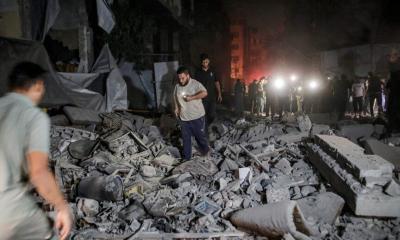
Rights groups have documented evidence for years of UAE support for the RSF. The paramilitary group faces accusations of atrocities during its war against the Sudanese army, including an attack on El Fasher in October 2025 that the UN said had the hallmarks of genocide.
Nusseibeh, the UAE’s representative to the UN until 2024, has repeatedly reflected her government’s blanket denials of the accusations. Hala al-Karib, regional director of the Strategic Initiative for Women in the Horn of Africa, said Nusseibeh had no track record of acting independently of her country’s role in Sudan.
Al-Karib told a virtual briefing held by the Avaaz human rights advocacy group that endorsement by the security council would amount essentially to a denial of the genocidal acts committed in El Fasher by the RSF. There was also strong criticism of Nusseibeh’s candidature at the briefing on Tuesday.
Ibrahim Alduma, co-founder of the Sudan Action Hub, told participants that success for Nusseibeh would result in people losing faith in the UN. He asked how they could tell people on the ground that the UN was not an obstruction of the rights of the people of Sudan.
Husam Mahjoub, co-founder of Sudan Bukra TV, said electing the senior diplomat as secretary general would hand leadership of UN institutions to that government’s chief defender. Kenneth Roth, a former executive director of Human Rights Watch, told the briefing that Nusseibeh blatantly denies the UAE’s role in arming and supporting the RSF without regard to the facts.
On Wednesday, Bruno Stagno Ugarte, chief advocacy officer at Human Rights Watch, said Nusseibeh’s dismissal of UN reports documenting the UAE’s links to the RSF had seriously undermined justice and accountability for the victims.
In a statement on Tuesday, Nusseibeh said that if she secured the top UN job she would support the work of UN fact-finding missions for accountability and transitional justice over the war in Sudan. She described the RSF’s crimes as atrocious and said she had taken a leave of absence from her ministerial post in the UAE government to be mindful of the obligations of independence the UN role would entail.
To become the next UN secretary general, a candidate must secure a minimum of nine affirmative votes out of the 15 security council members and avoid a veto from the US, the UK, China, France or Russia. An informal security council poll earlier this month had placed the former Costa Rican vice-president Rebeca Grynspan as the narrow frontrunner, but she and all other candidates received two or more opposing votes from the permanent council members.