Music once filled the streets of Kabul, drifting from cafes and restaurants, and echoing through the alleys of the Afghan capital’s historic music district. That environment changed after authorities prohibited playing or listening to music throughout Afghanistan.
The administration that took power in 2021 banned all musical expression except religious unaccompanied vocal chanting. Enforcement of the ban falls to the morality police operating under the Ministry for the Propagation of Virtue and Prevention of Vice.
Many performers fled the country following the takeover. Those who remained sent their instruments abroad or hid them to prevent authorities from smashing them.
Shops in Kucha-e-Kharabat, the old city neighbourhood where many Kabul musicians traditionally lived, now trade in groceries, food, clothes, and other household goods rather than musical instruments. Musicians across the nation lost their livelihoods overnight as a result of the policy.
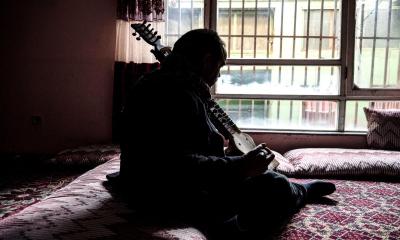
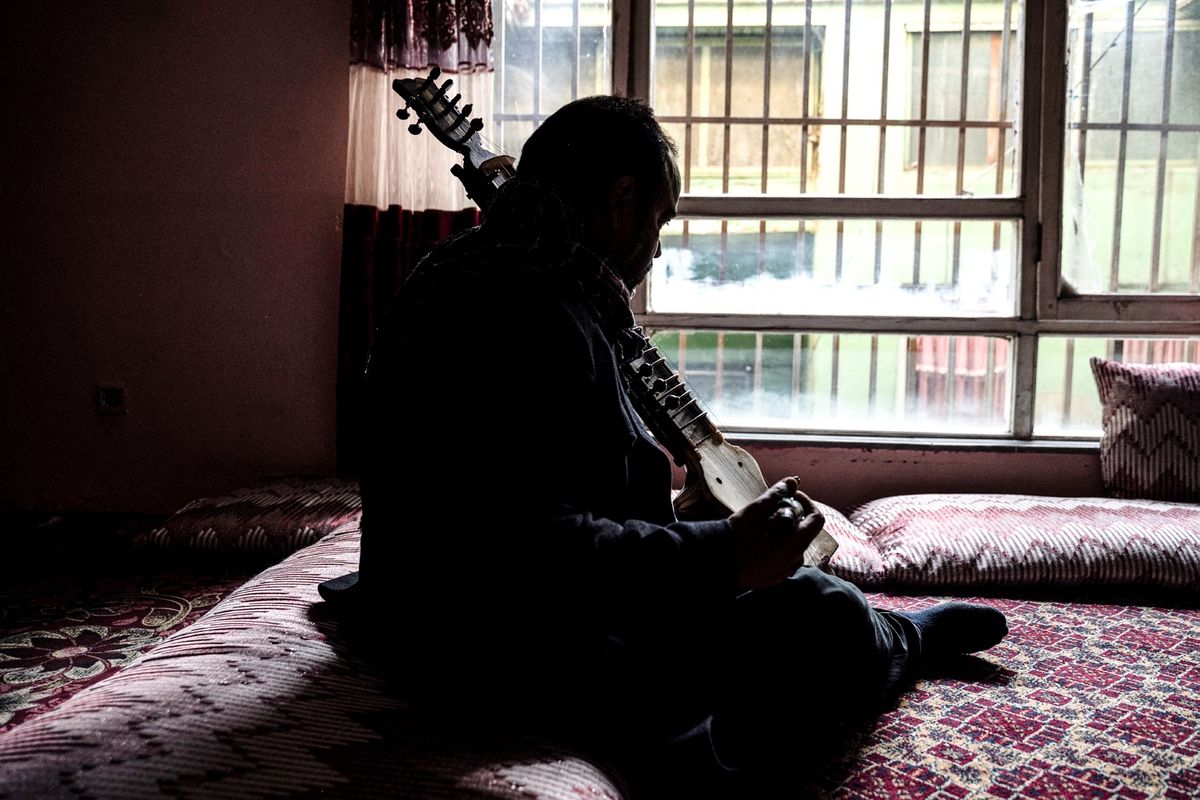
Yet some continue to pull out their instruments to play in secret, despite the constant danger of a knock on the door. Inside a small home on a narrow street, a musician recently retrieved three hand-carved wooden rubabs, a traditional plucked lute central to Afghan culture.
"As long as I am alive, I will continue to play," the rubab player said, speaking on condition of anonymity for fear of arrest. "Perhaps I will do so in secret, but I will not allow the rubab to be silent. This is our culture, the traditions of Afghanistan which must not be silent; they must be revived and I will fight for that."
In another part of the city, a singer expressed similar determination while remaining anonymous. Before the takeover, he performed at concerts and celebrations, but he has since hidden a rubab, a harmonium, a flute, a tabla, and a keyboard.
"The day I brought my musical instruments home and covered them with a tarp felt as if I had been buried alive beneath that very covering, as if I were dead," the singer said. "Music gave me life; it brought me fame and recognition. Without music, an artist is like a soulless corpse."
The rubab player previously taught music at a school and owned an instrument shop, earning about 10,000 afghanis daily. Today, he earns roughly 100 afghanis working as a manual laborer and struggles to feed his wife and children. He lost his father to a heart attack shortly after the family business closed, a loss he attributes to the devastation of shutting the shop.
Initial underground performances have stopped because the risks became too high. The rubab player fled a secret gathering after vice and virtue police raided it when an attendee shared photographs with authorities, while the singer last performed at a private gathering four years ago.
Despite the threats of imprisonment, the rubab player intends to pass the art form to his eldest son. "This tradition must continue," he said.