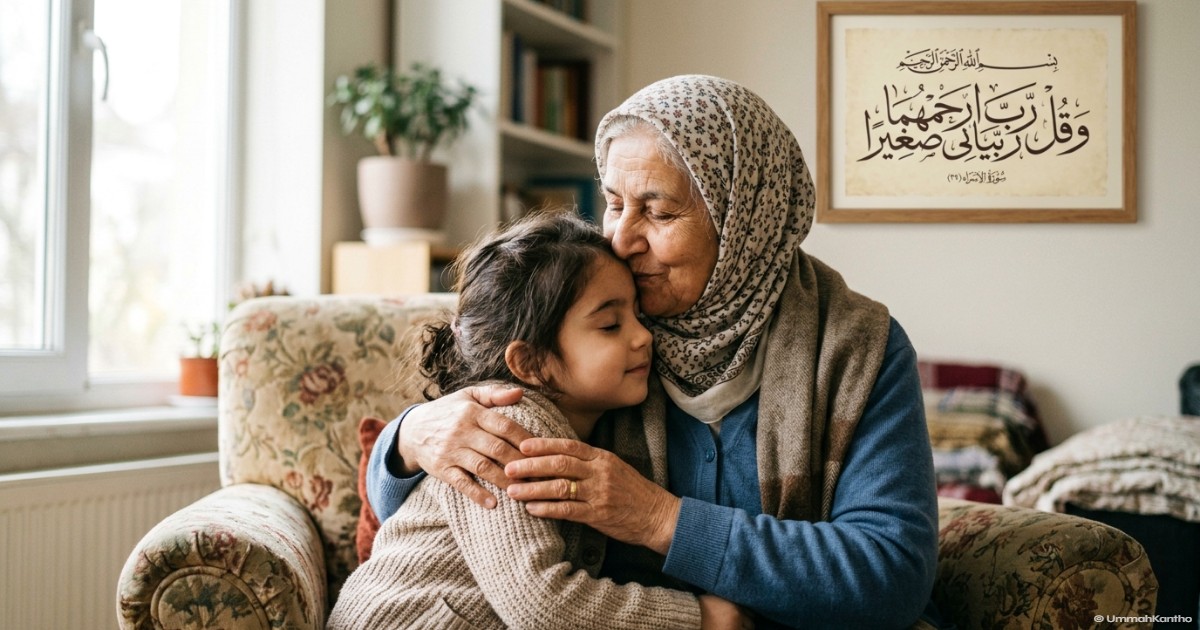
Today, May 10, 2026, marks the second Sunday of May, a day observed globally as World Mother’s Day. This year’s theme, "Motherhood: Nurturing the Future with Love and Care," emphasizes the vital role mothers play in shaping the next generation. While the modern world dedicates a single day to celebrate mothers, Islam established a comprehensive system of honor and rights for them over fourteen centuries ago. In the Islamic worldview, the dignity of a mother is not a seasonal celebration but a fundamental religious obligation that must be practiced every single day of one’s life.
The Holy Quran provides profound insights into the physical and emotional sacrifices of motherhood. In Surah Al-Ahqaf (46:15), Allah reminds us that a mother carries her child with hardship and gives birth with hardship. Furthermore, Surah Luqman (31:14) highlights how a mother bears her child through "weakness upon weakness" and continues her dedication through years of nursing. These divine verses are not merely descriptions; they are a call to humanity to recognize that the debt owed to a mother can never be fully repaid. Islam teaches that "Paradise lies under the feet of mothers," placing the ultimate spiritual reward directly tied to the service of one’s mother.
The Prophet Muhammad (peace be upon him) further elevated this status through his recorded traditions. When a companion asked him who among all people deserves the best treatment and companionship, the Prophet replied, "Your mother." When asked again, he repeated, "Your mother," and a third time, he said, "Your mother." It was only on the fourth inquiry that he mentioned the father. This triple emphasis signifies that a mother’s rights are three times greater due to the unique hardships of pregnancy, childbirth, and nursing. Islam demands that children never even say a word of frustration, such as "uff," to their parents, especially as they age.
History is replete with noble women who exemplified the glory of motherhood. From Hawa (Eve) to Maryam (Mary), and from the mothers of the Prophets to the "Mothers of the Believers" (the wives of the Prophet), these figures showcased the strength and spirituality inherent in motherhood. Great saints like Abdul Qadir Jilani and Bayazid Bastami reached their spiritual heights through the prayers and guidance of their mothers. This demonstrates that a mother’s influence is the primary catalyst for a child’s success, both in this world and the hereafter. Her prayers are considered a direct gateway to divine mercy and success.
Linguistically, the word "Ma" or "Mother" holds a mysterious cross-cultural resemblance. Linguists observe that infants often make "m" sounds while nursing, leading to the phonetic root of mother-related words in almost every major language—"Mother" in English, "Mutter" in German, "Madre" in Italian, and "Ma" in Bengali or Hindi. This soul-deep connection is captured beautifully in literature, such as in the works of the poet Jasimuddin, who portrayed the tireless vigil of a mother by her sick child’s bedside. These universal portrayals remind us that the essence of motherhood transcends borders, languages, and eras.
However, the reality of the modern era often presents a tragic contrast to these ideals. Consider Mumtaz Mahal, the mother whose death during the birth of her fourteenth child led to the construction of the Taj Mahal. While her memory is encased in marble, many mothers today find themselves abandoned in their old age. As corporate culture promotes the commercialization of Mother`s Day, the rise of elderly care homes serves as a silent indictment of a society that has forgotten the true value of parents. Islam strongly opposes this culture of abandonment, insisting that parents remain the heart of the family unit, deserving of the utmost care and presence until their final breath.
In conclusion, the observance of Mother’s Day 2026 should be more than just an exchange of gifts or a social media trend. It should be a moment of reflection on the permanent rights granted to mothers by the Creator. The true honor of a mother is found in the daily acts of kindness, the patience shown during her illness, and the dedication to her well-being. Let us move beyond the superficial corporate celebrations and embrace the profound Islamic commitment to motherhood. Honoring a mother is not just a social duty; it is a spiritual journey that paves the way for a blessed life and a future nurtured by genuine love and care.