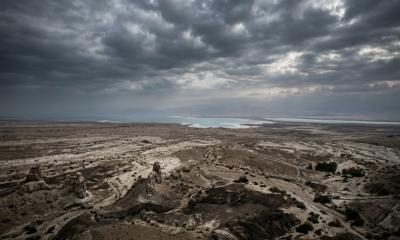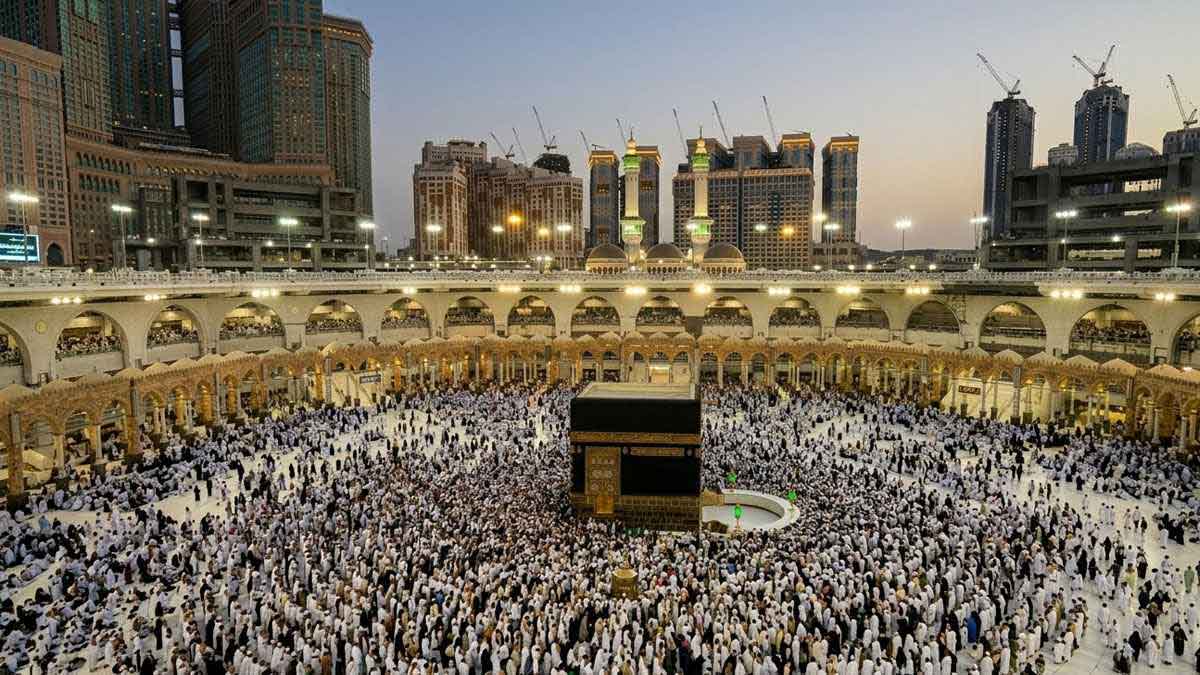
Standing at the plains of Arafat is widely recognized as the most critical pillar of Hajj. According to Islamic tradition, Hajj is incomplete without this specific ritual, as Prophet Muhammad (PBUH) explicitly declared that Arafat is Hajj. Located about 22 kilometers southeast of Makkah, this vast desert plain is not just a historical site but a profound symbol of Muslim unity and complete submission to Allah. It is traditionally believed that Prophet Adam (AS) and Hawwa (AS) were reunited at this spot after a long separation, which gives the place its name Arafat, meaning recognition. For those preparing for Hajj 2026, every second spent on this plain is invaluable for spiritual elevation and seeking divine forgiveness.
The mandatory period for standing at Arafat begins on the 9th of Dhul-Hijjah after the sun crosses the meridian and lasts until sunset. It is highly recommended for pilgrims to leave Mina for Arafat after the Fajr prayer while reciting the Talbiyah. A crucial logistical detail that every pilgrim must observe is ensuring they are within the geographical boundaries of Arafat. While many associate the area with the Mount of Mercy or Jabal al-Rahmah, the entire plain is considered the site for the ritual. Pilgrims must be cautious not to stand in the Urana Valley, which lies outside the designated boundaries. Failure to remain within the marked pillars of Arafat will invalidate the Hajj as the primary obligation remains unfulfilled.
One of the significant rituals on this day is the combined performance of the Dhuhr and Asr prayers. While it is preferred to pray at Masjid al-Namirah and listen to the official sermon, pilgrims can pray in their tents individually or in groups. The period from mid-afternoon until sunset is regarded as the best time for supplication. The Prophet (PBUH) spent this time facing the Qibla with his hands raised in humble prayer. The best supplication for this day is the declaration of Monotheism which affirms that there is no god but Allah, alone without partner. This prayer should be recited frequently as it carries the essence of the faith and the legacy of all previous prophets.
The Day of Arafah is also celebrated as the day of liberation from the hellfire. According to Sahih Muslim, there is no other day on which Allah frees more souls from the fire than the Day of Arafah. Pilgrims are strictly discouraged from fasting on this day to maintain the physical strength required for intense worship and dua. It is mandatory to remain in Arafat until the sun sets completely. Departing before sunset is considered a violation of the ritual requirements. After sunset, pilgrims proceed toward Muzdalifah without performing the Maghrib prayer in Arafat. Following the Sunnah, the Maghrib and Isha prayers are combined and performed upon reaching Muzdalifah. This massive gathering serves as a reminder of the Day of Judgment when all humanity will stand before the Creator in equal status.