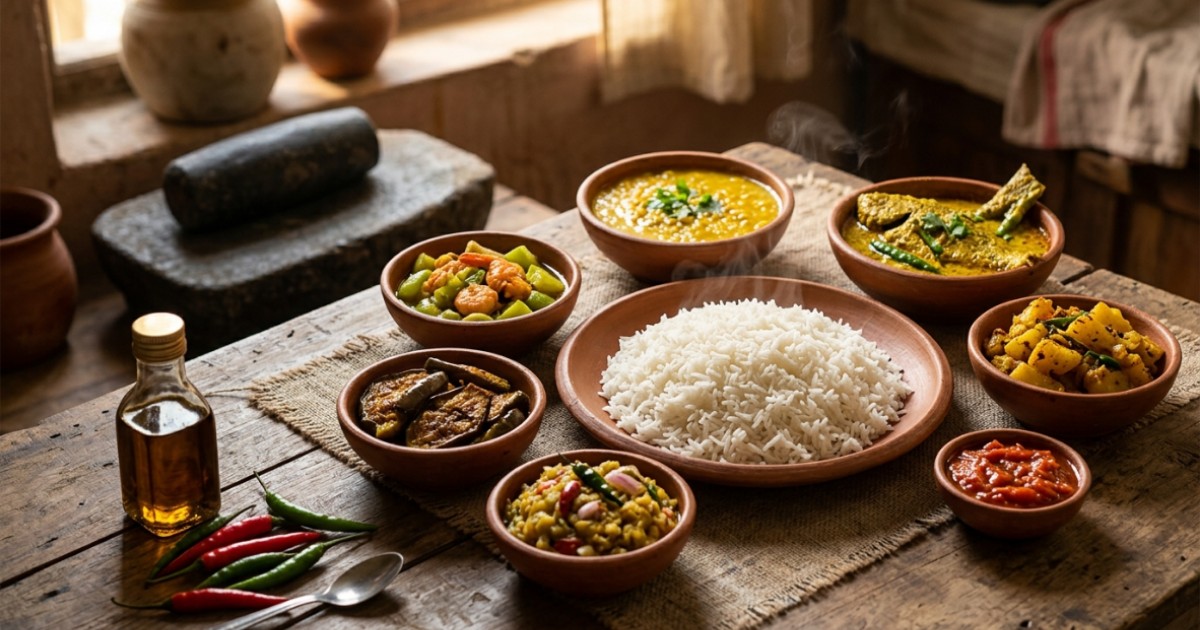
A piping hot plate of steamed white rice paired with a perfectly balanced Vorta—a traditional mashed preparation infusing mustard oil, fresh onions, and green chilies—remains the ultimate culinary anchor for generations of Bangladeshis. Once regarded primarily as a humble, cost-effective source of nutrition for rural farming communities, this culinary art has decisively broken structural barriers to claim a premium spot on global gastronomic maps. The profound endurance of this simple dish within the evolving landscape of South Asian culinary tradition remains deeply impressive. Even amid rapid urbanization and the aggressive influx of Western fast-food chains, the modern Bengali palate’s love for Vorta has not merely survived; it has substantially flourished.This distinct culinary evolution reflects broader socio-economic shifts within modern urban societies.
From Rural Kitchens to Elite Buffets
Over the past few years, the urban food landscape across Bangladesh has undergone a noticeable structural transformation. High-end dining establishments throughout Dhaka’s affluent neighborhoods, such as Dhanmandi, Gulshan, and Banani, no longer limit their luxury buffet spreads to Chinese, Italian, or Continental cuisines. Instead, these corporate menus now dedicate premium real estate to an array of Vortas made from potato, eggplant, lentils, black seed, pointed gourd, and various smoked or dried fish varieties. Simultaneously, at historical transit points like Mawa Ghat near the Padma Bridge, thousands of urban travelers gather daily specifically to consume traditional rice alongside specialized Hilsha fish-tail Vorta. This traditional staple has effectively transformed into an elite symbol of cultural nostalgia and gastronomic prestige.
Beyond pure consumer satisfaction, the commercial scale of this food segment is expanding at an exponential rate. Young culinary entrepreneurs are increasingly establishing specialized boutique diners centered exclusively around regional Vorta variants, transforming heritage recipes into highly profitable commercial operations. The pungent, aromatic scent of fresh mustard oil ground meticulously on stone slabs provides urban citizens with a welcome sensory escape from the exhausting monotony of modern mechanized life. Urban homemakers are also systematically replacing heavy, foreign party cuisines with these light, authentic preparations for family celebrations. This structural realignment of consumer preferences strongly demonstrates that deeply rooted cultural connections are rarely erased by globalization.
A Perfect Blend of Nutrition and Flavor
According to modern nutritional scientists, Vorta is highly revered not only for its distinct flavor profile but also for its exceptional retention of micro-nutrients. Traditional commercial cooking methods often inadvertently destroy essential vitamins and dietary minerals through excessive heat application; conversely, the light steaming, roasting, or boiling involved in Vorta preparation keeps nutritional values mostly intact. For instance, Vortas prepared with black seed or garlic are documented to naturally boost immunological defenses and aid in maintaining optimal blood pressure regulation. Water-heavy vegetable variants like cucumber, pointed gourd, or ridge gourd offer highly effective cooling properties during intense tropical summer conditions. The raw mustard oil and chili extracts utilized across these recipes function as organic digestive stimulants that naturally enhance baseline appetite.Modern culinary artists have also introduced creative contemporary fusions into this ancient discipline.
Today, unconventional, tangy Vortas utilizing sour seasonal fruits like strawberries, raw mangoes, wood apples, and olives have attained massive popularity among younger demographics. Street-side food carts adhering to strict hygienic standards experience massive crowds of university students every evening, seeking these intensely flavored, sharp fruit mashes. Yet, despite these structural modifications, the foundational philosophy of Vorta preparation—blending distinct ingredients harmoniously using manual touch—remains completely untouched. It stands as a living cultural monument to the shared dining heritage and communal values that define traditional South Asian family life. Whether enduring a scorching summer heatwave or a gloomy monsoon downpour, a bowl of authentic Vorta remains the absolute emotional sanctuary for the nation.