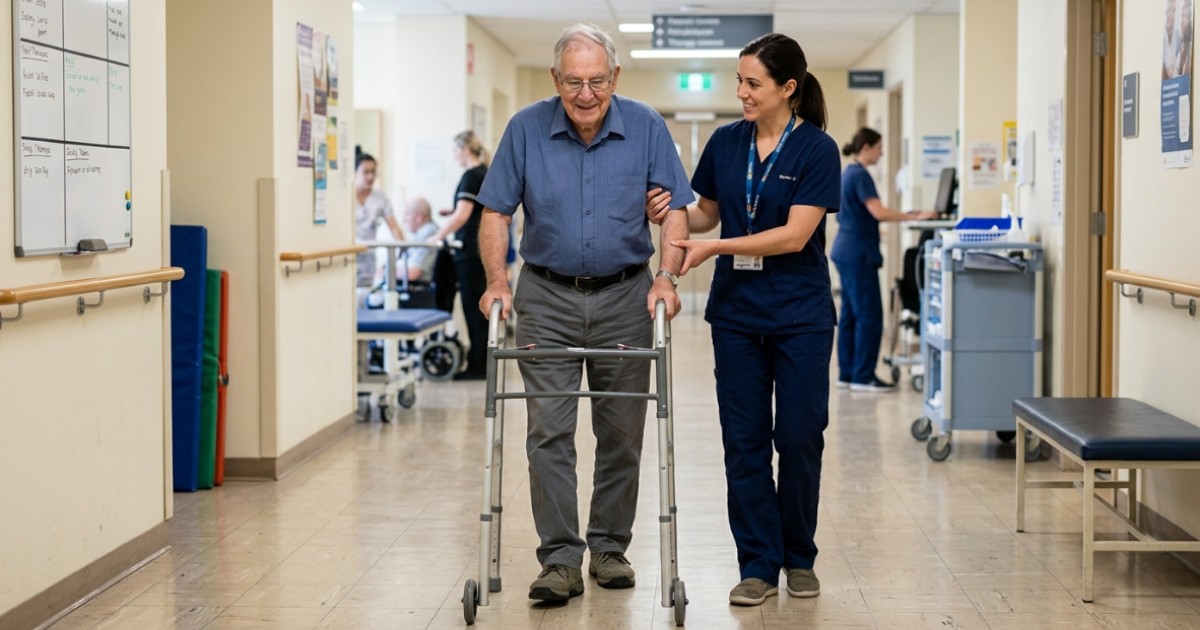
Following a brain stroke, many patients experience weakness or paralysis on one side of their body. In such situations, patients and their families often succumb to despair, believing that returning to a normal, active life is an impossibility. However, this is not always the case. With modern medical interventions, consistent physiotherapy, and proper rehabilitation, a significant number of patients can regain a large portion of their lost functionality.
Research indicates that approximately 60 to 70 percent of patients who lose the ability to walk after a stroke regain their independence within six months through structured rehabilitation programs. While the rate of improvement varies based on the severity of the stroke and the individual’s physical health, consistency is vital. Rather than succumbing to early frustration, it is crucial to adhere to the exercises and routines recommended by medical professionals.
The foundation for this recovery lies in an extraordinary brain function known as neuroplasticity. When specific areas of the brain are damaged by a stroke, healthy cells can reorganize themselves to compensate for the lost functions, effectively creating "alternative routes" for neural pathways. This adaptability allows patients to gradually recover movement in their limbs and perform everyday tasks. Furthermore, scientists are exploring the potential of neurogenesis—the process of forming new neurons—even in adult brains, which remains an optimistic frontier in medical research.
The impact of a stroke, however, extends beyond physical limitations. Many patients face significant mental health challenges, with depression being particularly prevalent. Studies have shown that nearly one-third of individuals who suffer a first-time ischemic stroke experience some level of depressive symptoms. These patients often lose the ability to experience pleasure, suffer from persistent low mood, and tend to withdraw socially. A 2022 study highlighted the significant rate of psychiatric morbidity among first-time stroke survivors, emphasizing that mental health care is just as critical as physical therapy (Inam MS et al., 2022).
Addressing these mental health issues through consultations with psychiatrists, medication, and psychosocial support is essential for holistic recovery. Suffering a stroke does not signify the end of one`s life or a permanent descent into hopelessness. Many patients do eventually walk again, manage their daily affairs independently, and reintegrate into their regular lives. This journey requires time, patience, consistent rehabilitation, family support, and self-confidence. Through accurate medical treatment and disciplined practice, it is possible for stroke survivors to begin anew. The key to recovery lies in the collaborative effort between medical experts, dedicated therapists, and the resilient determination of the survivor to return to a meaningful, independent existence.