During the intense heat of summer, instances of digestive complications and foodborne illnesses naturally escalate among countless households. Many individuals suffer from sudden gastrointestinal issues despite consuming seemingly healthy meals, a problem directly caused by incorrect preservation methods. The elevated atmospheric temperatures of the summer season cause organic food items to decompose rapidly, encouraging the swift proliferation of dangerous pathogens. While turning to modern refrigeration is the standard response to combat this spoilage, failing to observe proper guidelines can turn your appliance into a breeding ground for invisible bacteria.
Medical experts emphasize that maintaining internal appliance hygiene is crucial to avoiding seasonal health hazards.
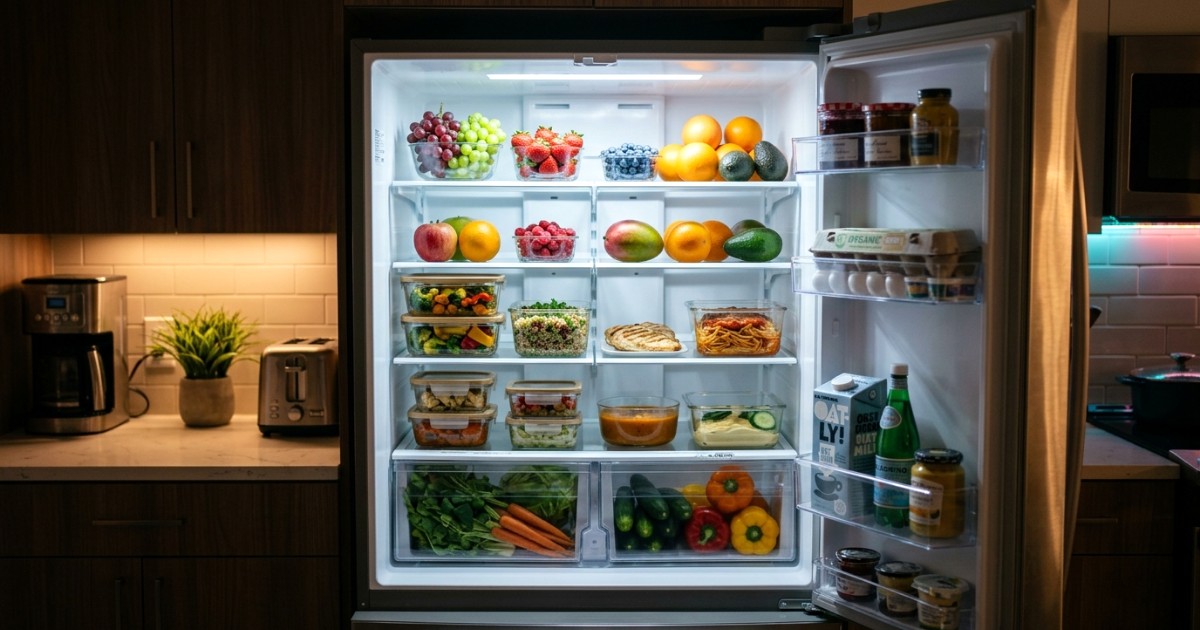
The most critical error regarding fridge food storage involves the careless proximity of raw ingredients and prepared meals. Raw poultry, seafood, and red meat naturally harbor high baselines of bacterial strains that can easily migrate to cooked dishes, fresh leafy greens, or raw fruits. To eliminate the risk of cross-contamination, raw and cooked items must be placed on entirely separate shelves and sealed inside durable, airtight containers. Furthermore, maintaining the internal temperature of the refrigerator strictly below 5 degrees Celsius is mandatory, as any upward fluctuation directly accelerates the reproductive cycle of harmful micro-organisms.
Another pivotal factor in guaranteeing nutritional safety is the routine cleaning and manual defrosting of the appliance. Households should thoroughly sanitize the internal compartments at least once every two weeks because excessive ice accumulation blocks the uniform distribution of cold air. When airflow is obstructed, pocketed zones of higher temperatures develop, facilitating rapid food decay. Additionally, fresh eggs should be stored in the refrigerator during the summer months and consumed only after being thoroughly boiled. Cultivating these simple organizational habits ensures that your refrigerated items remain fully preserved and free from dangerous bacterial contamination throughout the summer.