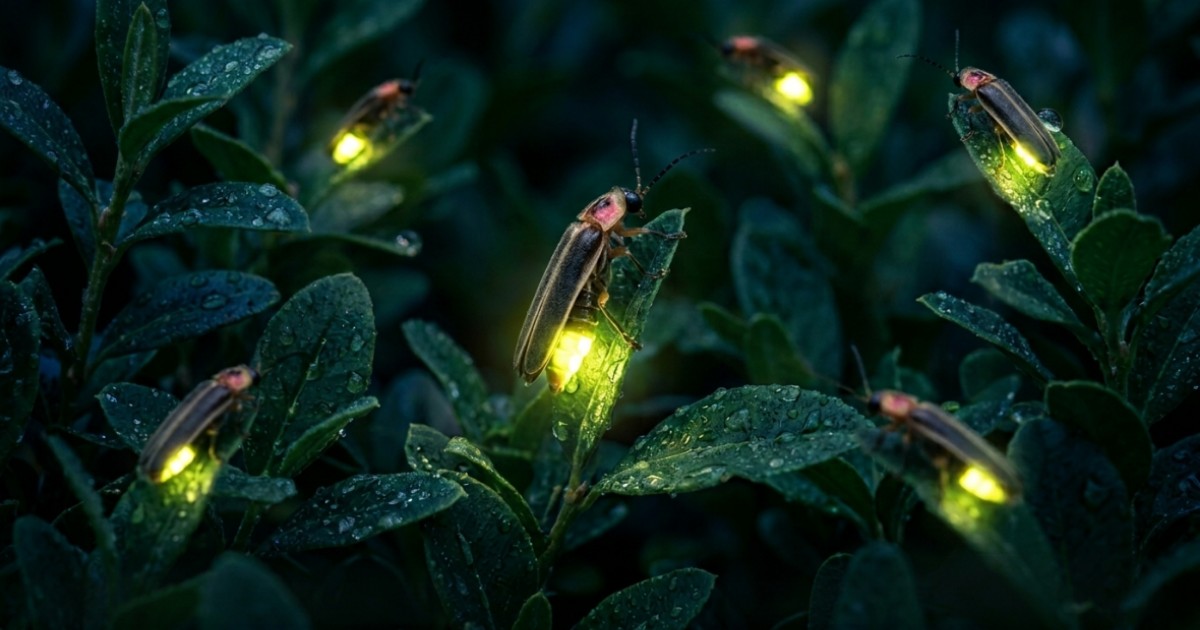
For generations, the magical sight of fireflies illuminating dark summer nights has been an intrinsic part of human childhood memories and rural folklore. These tiny, bio-luminescent insects, drifting through dense bushes like floating lanterns, have inspired poets and nature lovers across the globe. However, this timeless spectacle is rapidly turning into a thing of the past. Entomologists and environmental scientists are issuing a somber warning that we might be the very last generation to witness the natural glow of fireflies in our backyards. Recent data suggests that these mesmerizing creatures are quietly fading from the face of the earth, marking a significant and painful loss for global biodiversity.
According to recent comprehensive assessments compiled by the International Union for Conservation of Nature and global entomological societies, fireflies facing global extinction is a rapidly accelerating reality. This structural decline is not the result of a single environmental shift but is driven by a combination of destructive human activities. Environmental biologists have isolated three primary catalysts behind this ecological crisis: the exponential rise of artificial light pollution, the unmonitored overuse of chemical pesticides in industrial agriculture, and the widespread destruction of specialized natural habitats. Together, these factors have formed a hostile environment where the survival of these delicate nocturnal insects is heavily compromised.
Light Pollution and the Disrupted Symphony of Mating
The delicate life cycle of a firefly demands highly specific environmental parameters to successfully navigate from egg to mature adulthood. These insects rely heavily on undisturbed, damp soils, decaying organic wood matter, and thick, uncultivated undergrowth to shelter their developing larvae. Modern urban sprawl and commercial land clearing systematically dismantle these micro-habitats, replacing rich organic soil beds with barren concrete infrastructure and managed lawns. This loss of physical habitat severely limits the geographical zones where fireflies can establish stable colonies, isolating populations and weakening their overall genetic resilience over generations.
Compounding this loss of physical space is the global phenomenon known as Artificial Light at Night. Modern metropolitan expansion has flooded the night skies with intense neon signage, high-power LED streetlamps, and massive commercial security floodlights. For fireflies, this ambient glare is structurally catastrophic. These insects rely on a highly complex chemical process inside their abdomens—known as bioluminescence—to communicate with potential mates in the darkness. Each firefly species utilizes a unique system of synchronized flashes and visual intervals to signal identity and location. The overwhelming glare of modern artificial lighting masks these subtle biological flashes, rendering males and females incapable of finding one another to reproduce, ultimately causing a sharp drop in birth rates.
Regional Impact, Pesticides, and Urgent Conservation
The destructive impact of these modern developments is acutely visible across South Asia, particularly in regions like Bangladesh that historically boasted high firefly populations. Rapid industrialization, combined with shifting climate patterns and the continuous loss of rural wetlands, has driven these insects out of standard residential ecosystems. Field surveys indicate that their remaining populations are restricted to isolated pockets of protected rural woodlands and hilly forests within the Chittagong, Habiganj, and Moulvibazar districts. Recognizing the extreme vulnerability of the species, environmental authorities officially classified fireflies as an endangered species under the Bangladesh Wildlife Conservation and Security Act of 2012.
Beyond light and urban expansion, the intensive application of synthetic chemical pesticides and fertilizers presents an immediate chemical threat to firefly survival. The larval stage of a firefly is predatory, living primarily in wet mud and feeding on soft-bodied agricultural pests like slugs and snails. When farmers saturate crop fields with toxic insecticides, it not only eliminates the primary food supply of the larvae but directly poisons the soil where they gestate. Losing fireflies means losing a highly efficient, natural pest control mechanism, which can cause an unnatural surge in harmful agricultural pest populations. Halting this extinction pathway requires immediate global commitments toward managing urban light emissions, designating protected dark-sky reserves, and transitioning toward wildlife-friendly agricultural practices before this living light is permanently extinguished.