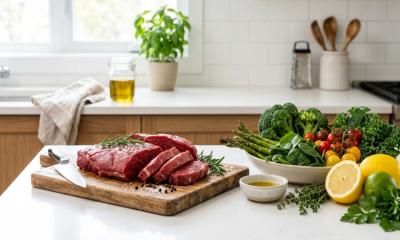
During major festive seasons like Eid-ul-Adha or extensive family gatherings, red meat inevitably dominates our daily culinary landscapes. From rich curries and skewered kebabs to slow-cooked roasts, meat becomes the centerpiece of consecutive breakfast, lunch, and dinner menus. While parsing through these highly seasoned delicacies is undoubtedly satisfying to the palate, continuous overindulgence in heavy protein over a short period exerts severe pressure on the human digestive system.
A vast majority of individuals experience significant physical discomfort once the festivities subside, finding themselves dealing with bowel irregularities, abdominal bloating, and painful straining. Clinical gastroenterology confirms that experiencing severe constipation after a sudden surge in meat consumption is a completely predictable biological response of the human gastrointestinal tract.
The structural cause behind this widespread metabolic complication resides within the nutritional composition of animal flesh itself. Beef, mutton, and other forms of red meat are exceptionally rich in complex saturated fats and dense animal proteins, but they are entirely devoid of dietary fiber. Dietary fiber is the essential structural component that remains undigested by human enzymes, adding essential volume to fecal matter and facilitating smooth peristalsis—the involuntary muscle contractions that move food through the digestive tract.
When a individual’s diet becomes exclusively monopolized by protein items while green vegetables, whole grains, and organic fibers are completely eliminated, the transit time within the colon slows down dramatically. Because lipids and dense proteins demand extensive time to break down biochemically, the stool remains trapped within the large intestine for too long, allowing the colon to absorb excessive moisture, which leaves the waste material dry, compacted, and exceptionally difficult to pass.
Restoring Colon Motility via Dietary Interventions
When confronting meat and constipation, implementing targeted behavioral and dietary modifications can rapidly alleviate systemic distress without necessitating aggressive pharmaceutical laxatives. The absolute baseline defense against a sluggish colon is immediate and intensive hydration. The biochemical processing and elimination of dense nitrogenous proteins place an elevated demand on the body`s internal water reserves. If general fluid intake is insufficient, the large intestine automatically extracts water from the digestive waste to sustain baseline metabolic functions, directly compounding the density of the stool.
To break this cycle, individuals must commit to consuming at least eight to ten glasses of pure water daily. Integrating warm water intake, particularly in the early morning hours, can actively stimulate the gastrocolic reflex, encouraging the intestinal muscles to contract and initiate natural evacuation pathways.
Simultaneously, the immediate dietary focus must transition toward reintroducing heavy concentrations of soluble and insoluble fibers into every meal. Rather than filling up entirely on leftover protein dishes, individuals should dedicate at least half of their plates to fresh green salads, cucumbers, raw tomatoes, and citrus elements. Incorporating easily digestible, high-moisture vegetables such as green papaya, gourds, and zucchini into stews helps soothe the irritated mucosal lining of the stomach.
Furthermore, consuming whole fruits with their structural skins intact—such as apples and guavas—alongside ripe papayas provides a massive influx of natural pectin and bulk-forming fibers. These plant materials act like a biological sponge within the lower digestive tract, trapping moisture within the intestinal lumen to ensure the stool remains soft, pliable, and mobile.
Another exceptionally reliable and clinically backed natural remedy is the strategic incorporation of psyllium husk, known locally as Isabgol. This natural plant-derived soluble fiber absorbs water inside the gut to form a smooth, gel-like substance that naturally lubricates the intestinal walls and propels accumulated waste outward. For maximum efficacy, one to two tablespoons of psyllium husk should be briskly stirred into a large glass of water and consumed immediately before the mixture thickens into a heavy paste. Allowing the husk to sit in water for prolonged periods before ingestion significantly reduces its localized expanding capabilities within the stomach. Beyond acting as a mechanical bulking agent, psyllium husk serves as an excellent prebiotic, nourishing the beneficial microflora residing within the gut, which actively accelerates long-term metabolic recovery.
Physical Activity and Recognizing Clinical Red Flags
A major contributing factor to post-festive gastrointestinal stasis is the sudden drop in physical activity that frequently accompanies heavy dining. The natural tendency after consuming a large, calorie-dense meal is to immediately adopt a sedentary posture, either by lying down for a nap or sitting for extended periods. This lack of physical motion directly causes the smooth muscles of the digestive tract to become equally lethargic. Lying down immediately following a heavy influx of protein can also force gastric acids upward into the esophagus, triggering acid reflux and severe heartburn. To keep the digestive machinery operating efficiently, individuals should engage in light walking for fifteen to twenty minutes after eating. This low-impact movement mechanically stimulates the abdominal musculature, promoting faster gastric emptying and preventing food from stagnating within the intestinal loops.
While these natural adjustments are generally sufficient to resolve temporary blockages, it is crucial to avoid the unmonitored use of over-the-counter chemical laxatives or aggressive purgative pills. Frequent reliance on artificial stimulants can create a dangerous physiological dependency, eventually desensitizing the colon`s natural nerve pathways and inducing chronic, long-term intestinal laziness. Correcting dietary balance remains the safest strategy for lasting relief.
However, if an individual experiences prolonged constipation accompanied by severe abdominal cramping, persistent vomiting, noticeable abdominal distension, or the presence of blood in the stool, immediate clinical evaluation by a medical professional is mandatory. These symptoms can indicate a mechanical bowel obstruction or an acute internal inflammation that requires targeted medical therapy. Practicing moderate dietary habits and proactive self-care ensures that festive celebrations remain a source of joy rather than a catalyst for physical distress.