The 2026 World Food Photography Awards have officially announced this year’s winning images, capturing the diverse and intricate ways food shapes daily life across the globe. According to reports from BBC Travel, the competition received nearly 9,000 entries from over 50 countries. The collection of winning photographs provides a global portrait of food culture, documenting everything from remote harvests and bustling local markets to intimate family meals and street food festivities.
The overall winner of this year’s competition is British photographer Jo Kearney. Her winning entry captured a quiet, evocative moment in the canteen of a Soviet-era sanatorium located in the mountains of Tajikistan. The image serves as a powerful reminder that food photography is often about preserving memory and place, rather than just the aesthetic appeal of a meal. At Khoja Obi Garm, guests continue to gather for hearty, traditional meals between prescribed treatments, reflecting a legacy of health and rest that persists to this day.
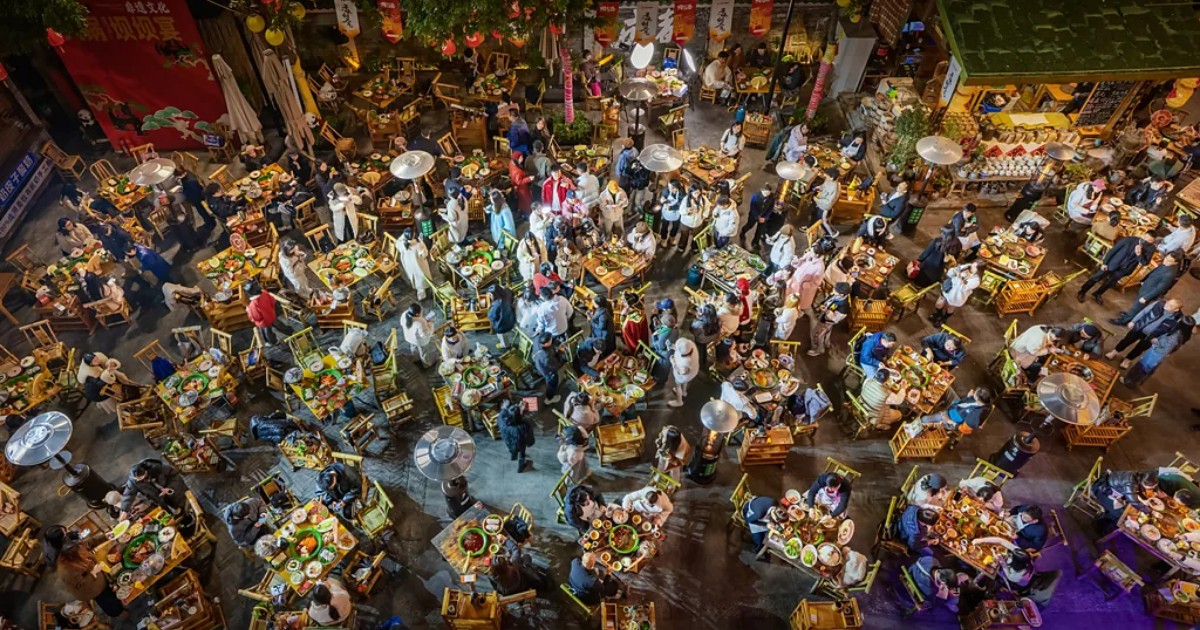
In other categories, Pingyao Song from China captured the spectacle of a communal hotpot festival, showcasing the vibrant social energy involved in shared meals. The image illustrates how food functions as both a celebration and a cultural spectacle. Meanwhile, Dutch photographer Marco Rutten received recognition for his shot taken at sunrise beneath Kolkata`s Howrah Bridge. His photograph depicts fishermen hauling in nets from the Hooghly River, highlighting the link between the city’s early morning labour and the food that reaches local markets.
The diversity of the entries is also seen in the work of Albert González from Spain, who documented traditional fish-drying techniques in a Japanese fishing village. This method of preservation bridges the gap between natural elements and culinary tradition. Additionally, the warmth of family life was highlighted by photographers Michela Balboni and Federico Borella, who captured a child reaching for fresh bread in Samarkand, Uzbekistan.
According to BBC Travel, these images go beyond simple documentation. They offer a window into how food is deeply woven into the fabric of everyday existence around the world. The competition successfully serves as a global archive of human experience, proving that the act of eating and preparing food is a universal language that transcends geographical and cultural boundaries. The 2026 winning entries stand as a testament to the power of photography in articulating the human relationship with sustenance.