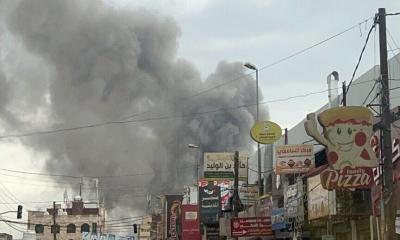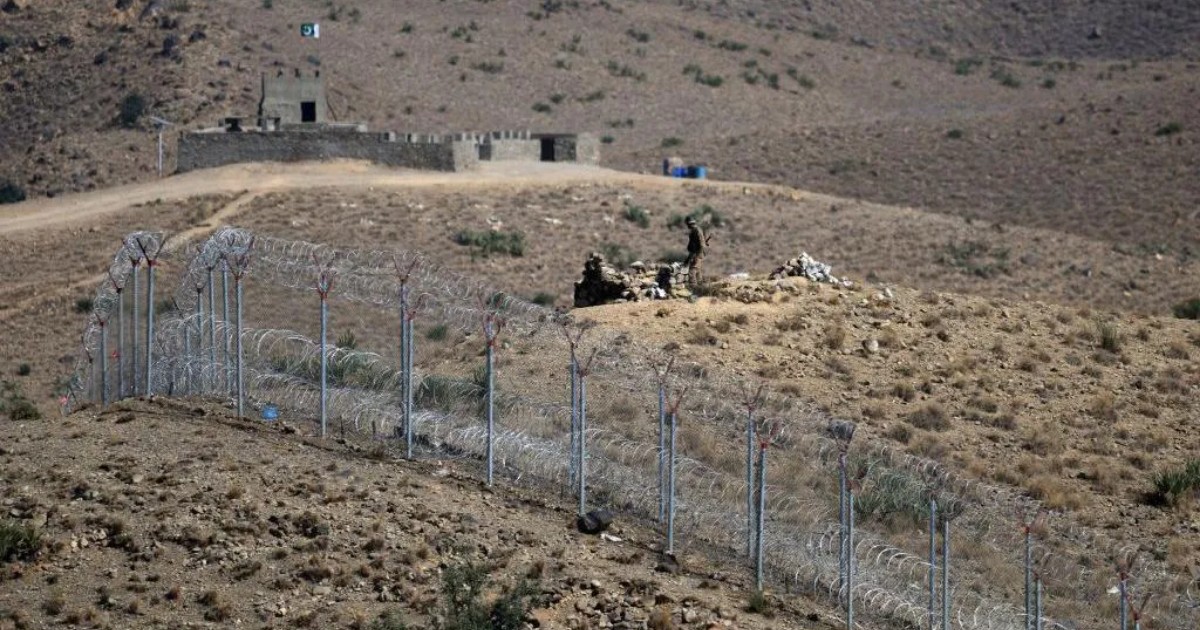
Pakistan has carried out fresh air strikes in Afghanistan, targeting areas along the volatile border, in an escalation that has sparked renewed regional tensions. The strikes, which occurred on Wednesday, were described by Pakistani authorities as a calibrated response to recent terrorist incidents. According to Pakistan`s Information Minister Attaullah Tarar, the military targeted hideouts and safe havens used by militants, resulting in the deaths of 26 individuals linked to the Tehreek-e-Taliban Pakistan (TTP).
The narrative from the Taliban-led Afghan government stands in sharp contrast to the claims made by Islamabad. Taliban spokesman Zabihullah Mujahid stated that Pakistani aircraft bombed civilian homes in the provinces of Kunar, Khost, and Paktika. According to Mujahid, the attacks resulted in the deaths of 13 people, specifically identifying 11 children, one woman, and one elderly man among the fatalities. The Afghan government has consistently denied accusations from Pakistan that it provides sanctuary to militants who orchestrate attacks on Pakistani soil, asserting that Afghan territory is not a staging ground for cross-border violence.
This latest development marks a significant spike in hostilities that have persisted since late February 2026, when border skirmishes led to a temporary collapse of relative peace in the region. The conflict has seen periods of relative calm punctuated by sudden, violent exchanges of fire and air strikes, causing significant concern among international observers and aid organizations. Both nations have engaged in months of diplomatic and military sparring, with each side accusing the other of violating sovereignty and international law.
Pakistan`s official stance emphasizes the state`s duty to protect its citizens. Minister Tarar reiterated that Islamabad has strived for regional stability but insists that the safety and security of its citizens remain the top priority, justifying the need for targeted military actions against militant camps. The strikes follow a series of recent security incidents within Pakistan that have strained the patience of federal authorities and security planners.
The situation remains fluid as both governments have offered widely differing versions of the events. International media outlets report that verifying the casualty figures and the nature of the targets independently is currently impossible due to the remoteness of the affected areas and the lack of access for neutral observers. The diplomatic fallout from these events is expected to be significant, as neighbors and international bodies watch closely to see if the two countries can de-escalate or if the border conflict will continue to spiral.