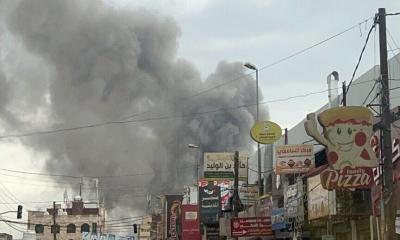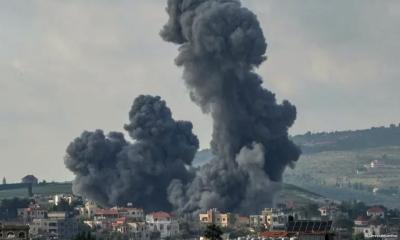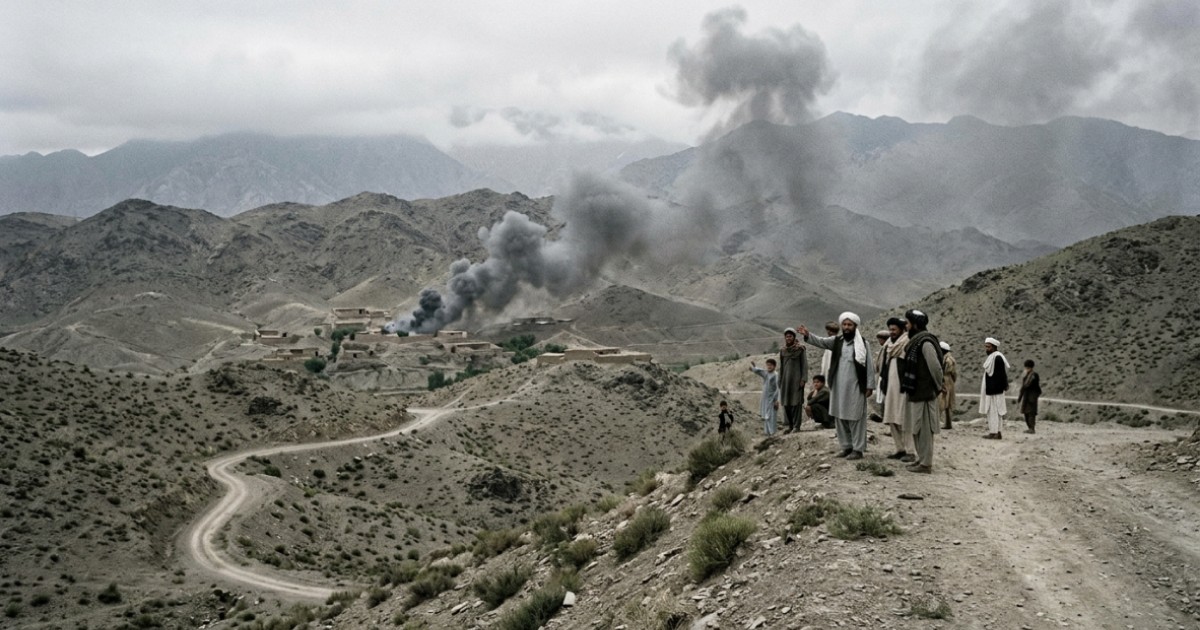
Tensions between Pakistan and Afghanistan have intensified following a series of airstrikes conducted by the Pakistani military along the border region on Tuesday night. On Wednesday, Pakistan’s Information Minister Attaullah Tarar announced that the military operation resulted in the deaths of 26 militants. According to the minister, the strikes specifically targeted key hideouts and training centers belonging to militant groups that Islamabad claims are supported by external actors, including India.
The Pakistani government stated that these operations were a direct response to a recent surge in terrorist attacks across the country, including a reported assault on a Frontier Constabulary post in Peshawar on Tuesday. Minister Tarar described the mission as a precision operation based on credible intelligence, which successfully destroyed a training facility, a safe house, and an ammunition cache. He reaffirmed that Pakistan’s security forces remain committed to the Azm-e-Istehkam initiative, a national framework aimed at eradicating foreign-backed terrorism from the country.
However, the Taliban-led Afghan government has strongly contested Pakistan’s account of the events. Taliban spokesman Zabihullah Mujahid stated that the Pakistani airstrikes hit targets in the provinces of Kunar, Khost, and Paktika, causing significant civilian casualties. According to the Taliban, the attacks killed 13 people, including 11 children, one woman, and one elderly man. Mujahid also reported that 14 others sustained injuries. He condemned the airstrikes as an act of aggression and a violation of Afghan sovereignty, calling the incident a humanitarian crime.
The conflict highlights the deep-seated friction between Islamabad and Kabul regarding the Tehreek-e-Taliban Pakistan (TTP). Pakistan has repeatedly accused the Afghan Taliban of providing sanctuary, weapons, and logistical support to the TTP, allowing them to stage cross-border attacks. Kabul has consistently rejected these allegations, maintaining that its territory is not used for such purposes.
This latest escalation follows a series of violent exchanges between the two nations over the past few years. Previous airstrikes, including a significant operation in February that reportedly resulted in over 80 deaths, led to substantial regional volatility. Despite calls for de-escalation from global observers, the continued military activity and the cycle of accusations have left the border region in a state of heightened uncertainty. With both nations entrenched in their respective positions, the prospect of diplomatic resolution appears increasingly difficult, leaving residents of the border provinces to bear the brunt of the recurring conflict.