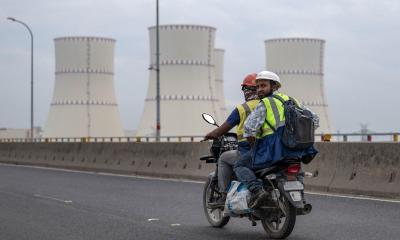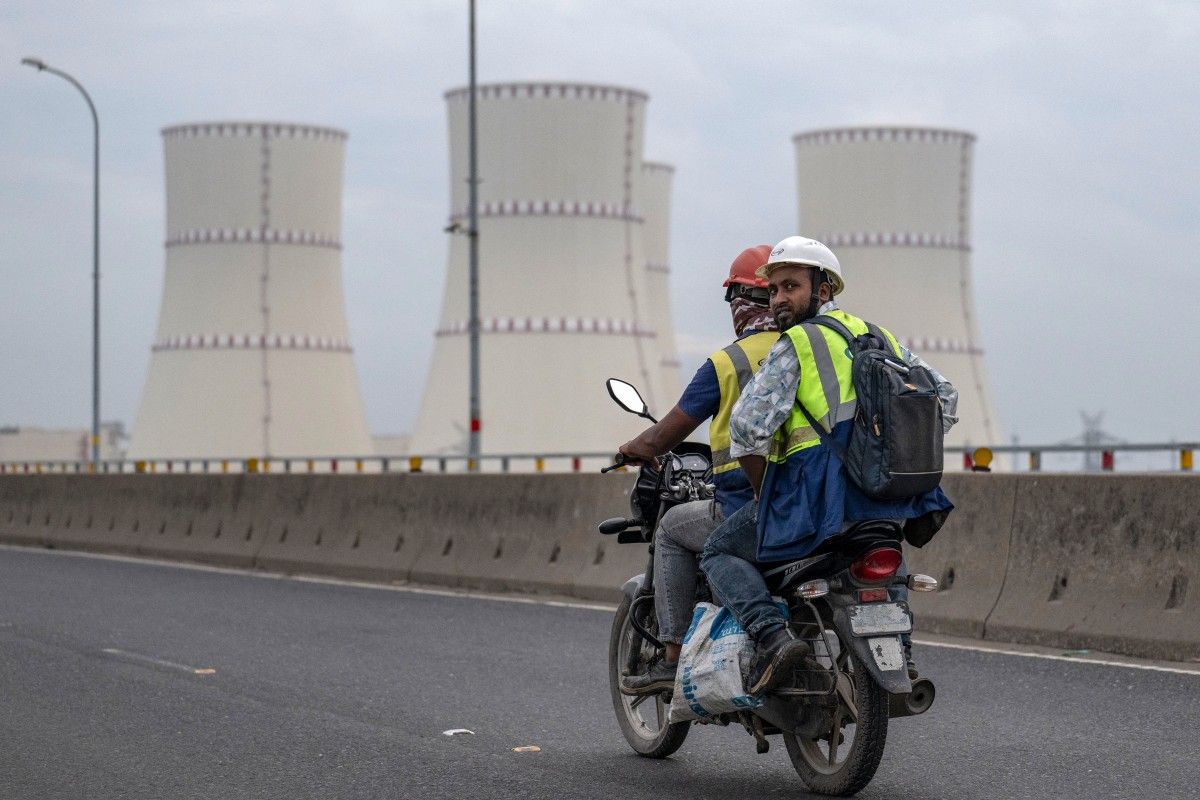
Bangladesh has officially started up its first nuclear reactor at the Rooppur facility, authorities announced on Friday. This milestone begins an electricity generation process expected to supply over ten percent of the nation’s energy needs.
Situated on the banks of the Padma River, the Russian-built plant received authorization to begin operations from the Bangladesh Atomic Energy Regulatory Authority. Dr. Kabir Hossain, project director for the development of the Rooppur facility, confirmed the commencement of the process.
Fuel loading for the first of two reactors occurred in April and May. Unit one achieved first criticality earlier this month, the point where the nuclear chain reaction becomes self-sustaining and operates safely.
With official clearance now granted, the facility will conduct tests and gradually begin power generation before starting trial electricity supplies to the national grid. Hossain stated that electricity could be supplied to the national grid from the plant by December.
Full operation of the first 1.2-gigawatt reactor is expected in 2027, subject to actual progress on the ground. The second reactor is scheduled to follow in 2028.
Rooppur is the largest single project in the history of Bangladesh, with total development costs expected to reach approximately $11.2 billion.
Construction on the 2.4-gigawatt project began in 2017. The timeline faced several delays due to global upheavals, including the COVID-19 pandemic, the Russian invasion of Ukraine, and the conflict involving Iran.
The South Asian nation of 170 million people currently draws about half of its electricity supply from gas. The country has endured chronic shortages and was hit hard by fuel crises linked to Middle Eastern conflicts, prompting a shift away from imported fossil fuels.
Hossain explained that nuclear power will serve as a substitute for gas. The national master plan designates eleven percent of electricity to come from nuclear sources to decrease fuel import dependency.
The project carries massive significance for the economy and the pursuit of energy security, according to project officials.